
 admin
admin 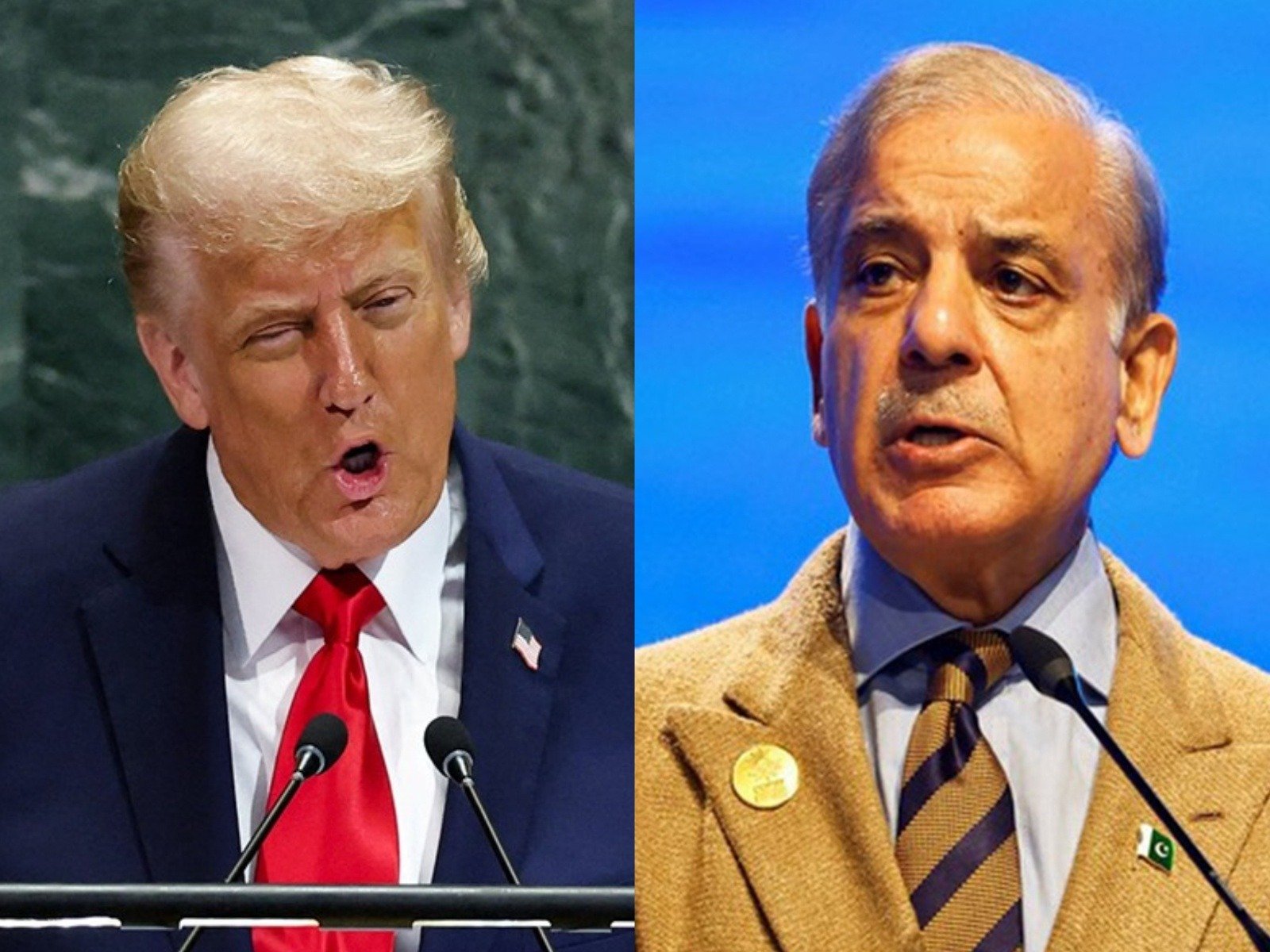
Washington DC, April 9, 2026: A recent report has revealed that The White House allegedly pushed Pakistan to act as a mediator in brokering a temporary ceasefire between the United States and Iran, raising questions about Islamabad’s diplomatic independence.
Pakistan’s Role as “Messenger” in Ceasefire Talks
According to a report by Financial Times, Pakistan’s involvement in the ceasefire negotiations was not entirely self-driven. Instead, Washington reportedly used Islamabad as a channel to deliver its proposal to Iran.
This suggests that Pakistan functioned more as a messenger rather than a neutral mediator, despite publicly portraying itself as a peacemaker in the conflict.
Leadership Dynamics and Diplomatic Control
Pakistan Prime Minister Shehbaz Sharif initially announced a two-week ceasefire proposal. However, the report indicates that the key diplomatic discussions were led by Army Chief Asim Munir.
Munir reportedly held direct talks with top US officials, including:
- Donald Trump
- JD Vance
- Steve Witkoff
This development highlights a shift in control from civilian leadership to military channels in handling sensitive diplomatic matters.
Strategic Reason Behind Pakistan’s Involvement
The report suggests that the US believed Iran would be more receptive to a ceasefire proposal delivered through a Muslim-majority neighboring country like Pakistan, rather than directly from Washington.
This strategic positioning raises concerns about whether Pakistan was acting independently or facilitating US interests in the region.
Controversy Over Public Communication
Prime Minister Shehbaz Sharif’s attempt to claim credit for the ceasefire drew criticism after a social media post mistakenly included the phrase “draft — Pakistan’s PM message on X.”
The error further fueled speculation about Pakistan’s limited influence over the negotiations.
Regional Tensions and Neutrality Questions
Pakistan’s neutral stance was also questioned following a drone attack on Saudi Arabia’s Jubail petrochemical hub. Despite having a defense pact with Saudi Arabia, Islamabad maintained neutrality to continue its diplomatic role.
Additionally, Sharif’s claim that Lebanon was included in the ceasefire was rejected by both Donald Trump and Israeli Prime Minister Benjamin Netanyahu, allowing continued Israeli operations against Hezbollah.
Upcoming US-Iran Talks in Islamabad
Direct diplomatic talks between the United States and Iran are scheduled to take place in Islamabad this weekend.
- The US delegation will be led by Vice President JD Vance
- Iran’s delegation will be headed by Parliament Speaker Mohammad Bagher Ghalibaf
These discussions aim to extend the current two-week ceasefire and potentially establish long-term peace after weeks of escalating conflict.
Background: Temporary Ceasefire Agreement
The ceasefire follows a period of intense hostilities, after which Donald Trump announced the suspension of military operations against Iran. He also stated that Iran’s proposed 10-point peace plan was workable, paving the way for temporary de-escalation.
The revelations surrounding Pakistan’s role in the US-Iran ceasefire negotiations highlight the complex geopolitical dynamics at play. While Islamabad projected itself as a neutral mediator, reports suggest it may have acted under US influence, raising broader questions about diplomatic autonomy in high-stakes international conflicts.
About The Author