
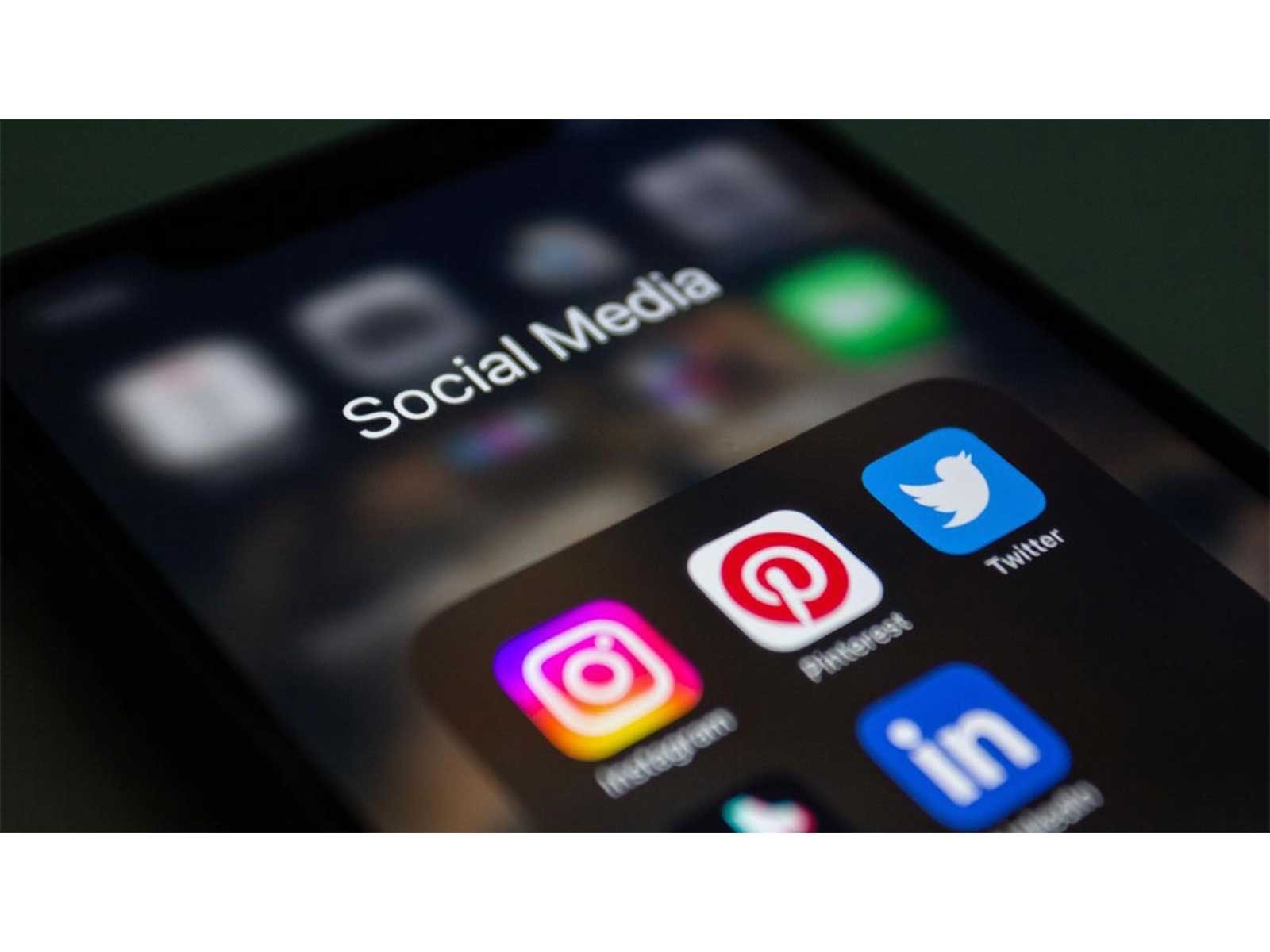
New Delhi [India], June 18: In today’s digital world, social networking applications have become essential tools for communication, entertainment, business promotion, and news consumption. When users suddenly find themselves unable to access their favorite apps, the first question that comes to mind is whether there is a social media platform down issue or a problem with their own device or internet connection.
A social media platform down situation can affect millions of users simultaneously, causing disruptions in communication and online activities. Fortunately, there are several reliable ways to determine whether a service outage is occurring and what steps users should take while waiting for normal operations to resume.
Recognizing the Signs of a Social Media Platform Down Problem
Not every app malfunction means there is a social media platform down event. Sometimes issues originate from weak internet connectivity, outdated applications, or device-specific glitches. However, certain warning signs often indicate a larger outage.
Users may notice that posts fail to load, messages remain unsent, stories refuse to upload, or notifications stop appearing. If the same issue occurs across multiple devices and internet connections, there is a strong possibility that a social media platform down incident is affecting the service.
Switching between Wi-Fi and mobile data can help determine whether the issue is local or platform-wide. If both networks experience identical problems, users should investigate whether the platform itself is experiencing technical difficulties.
Using Outage Tracking Websites
One of the fastest ways to verify a social media platform down report is by visiting outage-monitoring websites. These services collect user complaints and continuously monitor server performance.
Popular outage trackers display:
- Real-time user reports
- Service response times
- Regional outage maps
- Historical outage data
- Issue timelines
When a social media platform down situation occurs, complaint numbers often spike within minutes. These tracking services provide visual graphs showing whether reports are increasing rapidly across multiple regions.
Such tools help users avoid unnecessary troubleshooting and quickly confirm whether others are facing similar issues.
Checking Official Platform Updates
Most major technology companies maintain official communication channels to keep users informed during outages. When a social media platform down issue emerges, engineering teams often post updates through official accounts, status pages, or company blogs.
Official updates typically provide information about:
- The nature of the problem
- Features affected
- Progress of repair efforts
- Estimated restoration timelines
Following verified company announcements helps users avoid misinformation that often spreads rapidly during a social media platform down event.
Many technology firms also maintain dedicated service status dashboards where users can check the health of specific features and systems.
Monitoring User Reactions on Other Platforms
When one service experiences a social media platform down issue, users often migrate to alternative platforms to discuss the problem. Trending hashtags and viral posts frequently emerge within minutes of a major outage.
By monitoring conversations on competing social networks, users can quickly gauge the scale of the disruption. If thousands of people are reporting identical problems, it usually confirms that the outage is widespread rather than isolated.
Public discussions can also reveal valuable details about:
- Regions experiencing the outage
- Features affected
- Error messages encountered
- Recovery progress
This collective feedback often provides real-time insights before official statements become available.
Exploring Online Forums and Communities
Technology-focused forums and online discussion boards are valuable resources during a social media platform down situation. Users often share screenshots, error logs, and troubleshooting experiences that help others understand the scope of the issue.
Community discussions may reveal whether:
- The outage affects specific countries
- Certain devices are impacted more than others
- Particular app versions are experiencing problems
- Temporary workarounds are available
Forums can offer deeper analysis than simple outage notifications, making them useful for users seeking detailed information.
Performing Basic Troubleshooting
Before assuming there is a social media platform down event, users should perform several basic troubleshooting steps. These actions can resolve many common issues unrelated to platform outages.
Recommended troubleshooting methods include:
- Closing and reopening the application
- Restarting the device
- Updating the app to the latest version
- Clearing cached data
- Checking internet connectivity
- Trying a different browser or device
If these steps fail and outage trackers show increasing reports, the likelihood of a social media platform down issue becomes much higher.
Common Causes Behind Platform Outages
Understanding why outages occur can help users remain patient during service disruptions. A social media platform down incident may result from several technical factors.
Server Overload
Major events, breaking news, or viral trends can generate massive traffic spikes that overwhelm servers and reduce platform performance.
Software Updates
New software deployments occasionally introduce unexpected bugs that affect core platform functions. In some cases, a faulty update may trigger a widespread social media platform down event.
Data Center Problems
Hardware failures, power outages, and network disruptions within data centers can temporarily interrupt services for millions of users.
Cybersecurity Incidents
Cyberattacks such as Distributed Denial of Service (DDoS) attacks can overwhelm systems and contribute to a social media platform down situation.
Maintenance Issues
Scheduled maintenance sometimes encounters unforeseen complications, extending downtime beyond planned windows.
Staying Prepared for Future Outages
As social platforms become increasingly important for communication and business operations, preparation can minimize the impact of future disruptions.
Set Up Outage Alerts
Many monitoring websites offer notification services that alert users whenever a social media platform down event is detected. These alerts can arrive via email, SMS, or mobile push notifications.
Use Multiple Communication Channels
Relying exclusively on a single platform creates vulnerability during outages. Maintaining access to alternative messaging apps ensures that communication can continue when one service becomes unavailable.
Backup Important Content
Businesses and content creators should regularly back up essential information, customer contacts, and media files to reduce the risks associated with prolonged downtime.
Follow Official Status Pages
Subscribing to official service status pages provides direct access to verified information during a social media platform down incident.
Conclusion
Determining whether a social media platform down issue is affecting users has become easier thanks to modern outage-monitoring tools and official communication channels. Rather than repeatedly refreshing a non-responsive application, users can quickly verify the status of a service through outage trackers, company announcements, community forums, and social discussions.
Combining these resources with basic troubleshooting helps distinguish between local technical problems and genuine platform-wide outages. As dependence on digital communication continues to grow, understanding how to identify and respond to a social media platform down situation can save time, reduce frustration, and ensure uninterrupted access to alternative communication methods when needed.
Leave a Reply