
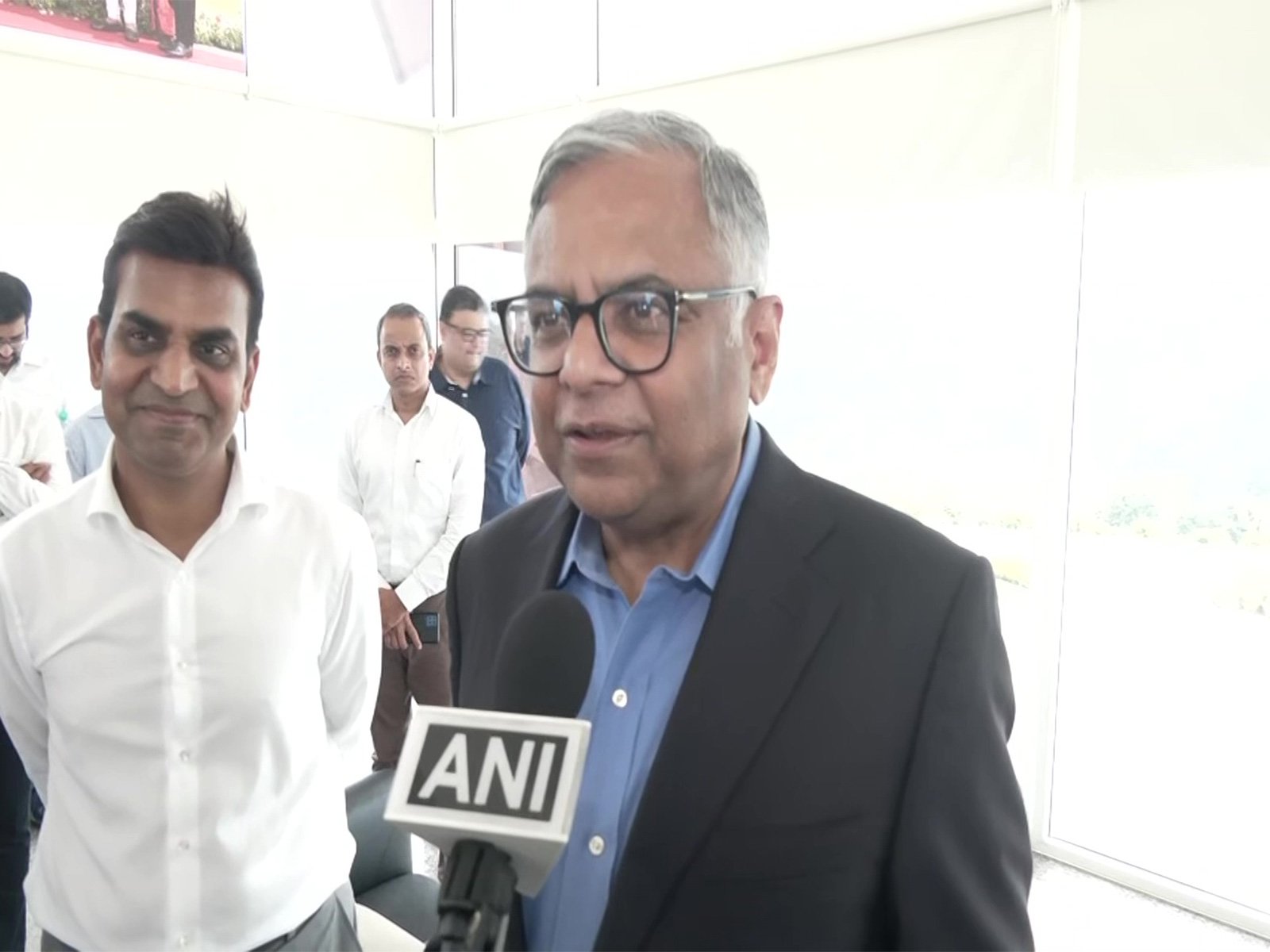
The N Chandrasekaran Tata Sons Chairman leadership transition has become a major development after N Chandrasekaran announced that he will not seek reappointment when his current term ends on February 20, 2027.
Chandrasekaran informed the Tata Sons Board that he has decided not to continue for another term after the Board failed to reach a unanimous decision regarding the extension of his tenure.
The announcement has started discussions around the future leadership of one of India’s largest business groups, with Tata Sons expected to begin its succession planning process soon.
5 Major Updates on N Chandrasekaran Tata Sons Chairman Decision
1. Chandrasekaran Declines Second Term Extension
N Chandrasekaran said that the Sir Dorabji Tata Trust and Sir Ratan Tata Trust had unanimously recommended extending his tenure for another five years.
The proposal was also recorded and recommended by the Tata Sons Nomination and Remuneration Committee and the Board.
However, the proposal did not receive complete support during the Tata Sons Board meeting held on February 24, 2026.
Following the lack of unanimous approval, the N Chandrasekaran Tata Sons Chairman succession issue remained unresolved for several months.
2. Tata Sons Board Asked to Begin Succession Process
Chandrasekaran stated that Tata Sons is a large institution with several strategic projects at important stages of execution.
He highlighted that clarity regarding future leadership is essential for employees, investors, business partners, and other stakeholders.
The outgoing chairman requested the Board to begin the succession process quickly to ensure a smooth leadership transition.
The decision by the N Chandrasekaran Tata Sons Chairman marks an important moment for the future direction of the Tata Group.
Chandrasekaran Completes 40 Years With Tata Group
Reflecting on his journey, Chandrasekaran said he has completed 40 years of professional life with the Tata Group.
He described his decade-long leadership of Tata Sons as a great honour and a significant responsibility.
During his tenure, Chandrasekaran played a key role in strengthening the group’s business operations, expanding strategic initiatives, and guiding Tata companies through major transformations.
His leadership period has been considered an important chapter in the history of Tata Sons.
Why Tata Sons Leadership Transition Matters
The change in leadership at Tata Sons is significant because the company serves as the holding entity of the Tata Group, which operates across multiple sectors including technology, automobiles, aviation, steel, consumer products, and financial services.
A smooth transition is considered important to maintain stability, investor confidence, and continuity across various businesses.
The next leader will be responsible for guiding Tata Sons through upcoming strategic challenges and growth opportunities.
Tata Sons Focuses on Future Leadership Planning
With Chandrasekaran deciding not to offer himself for reappointment, attention now shifts towards identifying his successor.
The Board is expected to evaluate potential candidates who can continue the group’s long-term vision and maintain the values associated with the Tata brand.
The succession process will be closely watched by employees, investors, and industry experts due to the global importance of the Tata Group.
Chandrasekaran’s Decade as Tata Sons Chairman
N Chandrasekaran became Chairman of Tata Sons in 2017 and has led the group for nearly a decade.
During his tenure, Tata companies focused on strengthening their digital businesses, expanding new ventures, and improving operational performance.
His leadership also covered a period of major changes in India’s corporate landscape, including increased focus on technology, manufacturing, and global competitiveness.
The N Chandrasekaran Tata Sons Chairman role has remained central to shaping the group’s strategic direction during this period.
Impact on Employees and Investors
Chandrasekaran emphasised that leadership clarity is important for all stakeholders connected with Tata Sons.
Employees, investors, partners, and customers closely follow leadership changes at major organisations because they influence future strategies and business decisions.
A planned transition is expected to help Tata Sons maintain confidence and ensure continuity across its various companies.
Future of Tata Sons After Chandrasekaran
The upcoming leadership transition represents a new phase for Tata Sons.
While Chandrasekaran will continue serving until February 20, 2027, the Board’s focus will now move towards selecting the next chairman.
Industry observers believe that maintaining Tata’s legacy, innovation-driven approach, and global expansion strategy will be key priorities for the incoming leader.
Leave a Reply