
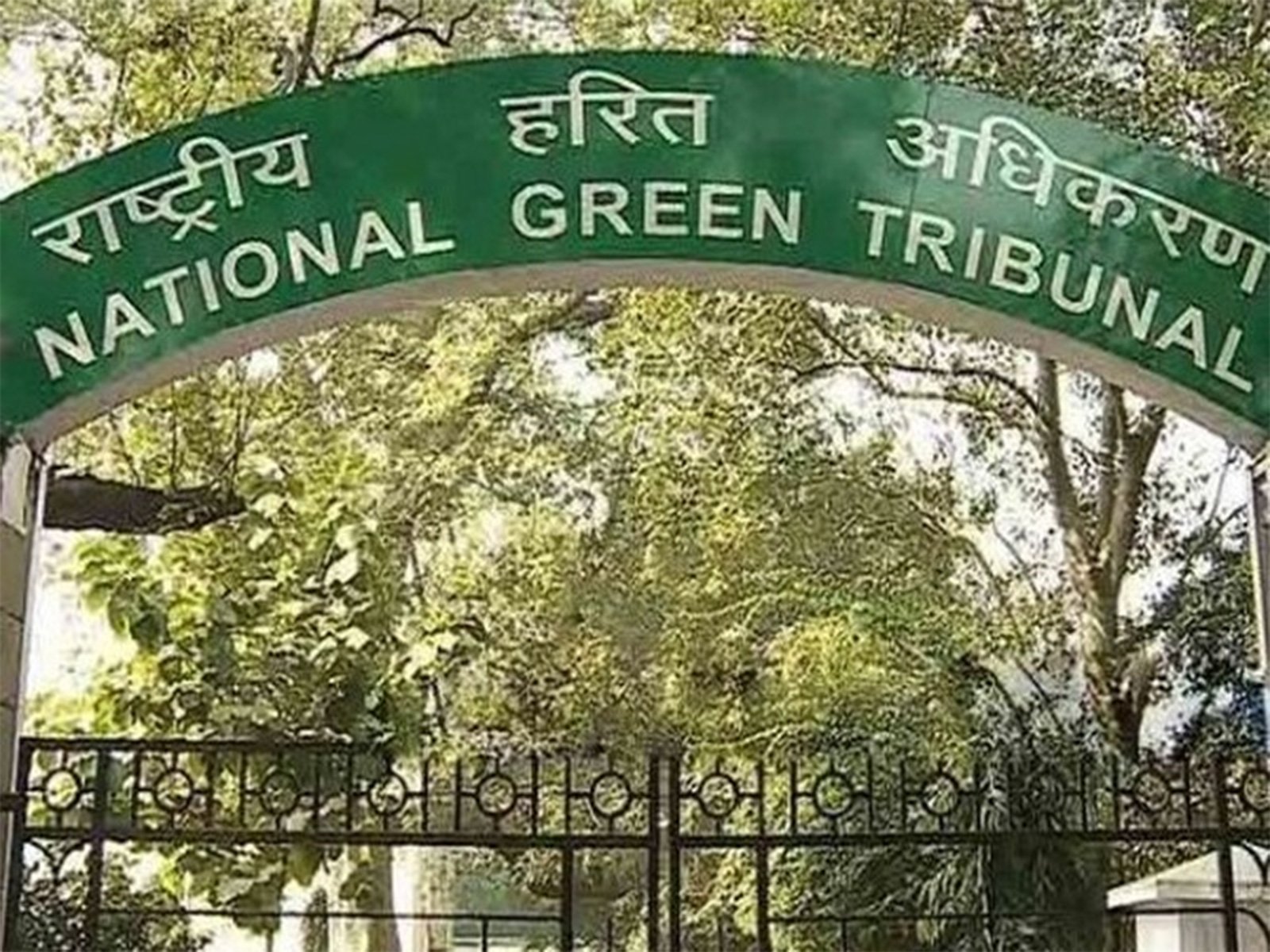
The NGT Yamuna illegal sand mining case has gained attention after the National Green Tribunal (NGT) impleaded senior administrative and police officials from Delhi and Uttar Pradesh as respondents in a suo motu matter related to alleged illegal sand mining and construction of a road across the Yamuna River.
The tribunal has directed officials from Delhi, Ghaziabad, Baghpat, and Gautam Budh Nagar to submit their responses before the next hearing. The case focuses on environmental concerns and alleged violations related to activities along the Yamuna between Delhi and Ghaziabad.
The NGT Yamuna illegal sand mining case highlights concerns regarding river protection, illegal mining control, and coordination between authorities across state boundaries.
5 Shocking Updates in NGT Yamuna Illegal Sand Mining Case
1. NGT Includes Senior Officials as Respondents
The National Green Tribunal has added several senior government and police officials as respondents in the case.
The officials include District Magistrates and senior police authorities from:
- Baghpat
- Gautam Budh Nagar
- Ghaziabad
- Delhi
The tribunal stated that their responses were necessary to understand the steps taken to prevent illegal activities along the Yamuna River.
2. Case Linked to Road Construction Across Yamuna
The NGT Yamuna illegal sand mining case is connected to a news report titled “How Sand Miners Laid Road Across Yamuna Between Delhi and Ghaziabad”, published on November 30, 2024.
The report raised concerns about alleged illegal sand mining activities and the construction of a road structure across the river.
Following the report, the tribunal initiated proceedings to examine possible environmental damage and regulatory failures.
NGT Seeks Explanation From Delhi and Uttar Pradesh Authorities
The tribunal has asked responses from multiple officials, including:
- District Magistrate, Baghpat
- Senior Superintendent of Police, Baghpat
- District Magistrate, Gautam Budh Nagar
- Commissioner of Police, Gautam Budh Nagar
- Commissioner of Police, Ghaziabad
- Commissioner of Police, Delhi
- District Magistrate, Outer North Delhi
These officials have been added as respondents 11 to 17, and notices will be issued after amendments to the memo of parties.
The responses are expected to provide details about monitoring, enforcement actions, and preventive measures.
Environmental Concerns Over Yamuna Mining Activities
The NGT Yamuna illegal sand mining case has brought attention to the environmental risks associated with unregulated mining activities.
Illegal sand mining can affect river ecosystems, increase erosion risks, disturb natural water flow, and impact surrounding areas.
The Yamuna River, which passes through multiple states and urban regions, requires coordinated monitoring to prevent environmental damage.
The tribunal has stressed the importance of stronger enforcement and cooperation between government agencies.
Joint Task Force and Monitoring Measures Under Review
The NGT highlighted several issues that require further consideration during upcoming hearings.
These include:
- Formation of a Joint Task Force by the Uttar Pradesh government
- Regular quarterly meetings
- Uploading complete details and meeting minutes
- Monitoring mining activities in inter-state areas
- Joint patrolling by authorities
- Police action against illegal mining operations
The tribunal observed that these matters were not adequately addressed during previous arguments and required further examination.
Previous Hearing and Future Proceedings
The matter was earlier heard on May 8, 2026, when arguments were completed and the order was reserved.
However, after reviewing the available material, the tribunal decided that further hearing was required to examine important aspects of the case.
The next hearing has now been scheduled for September 15.
The order was passed by a bench comprising Justice Arun Kumar Tyagi, Judicial Member, along with Expert Members Dr A. Senthil Vel and Dr Afroz Ahmad.
Importance of NGT Action for Yamuna Conservation
The NGT Yamuna illegal sand mining case reflects the growing importance of protecting rivers from illegal activities and ensuring accountability among responsible authorities.
Environmental experts have repeatedly highlighted that effective river conservation requires strict monitoring, transparent systems, and cooperation between different departments.
The tribunal’s intervention aims to ensure that allegations related to environmental violations are properly investigated and addressed.
Future Outlook of the Case
The upcoming hearing will focus on responses submitted by officials and further examination of environmental concerns.
The tribunal is expected to review whether authorities followed proper procedures to control illegal mining and protect the Yamuna ecosystem.
The outcome of the case may influence future monitoring practices for inter-state river areas.
Leave a Reply