
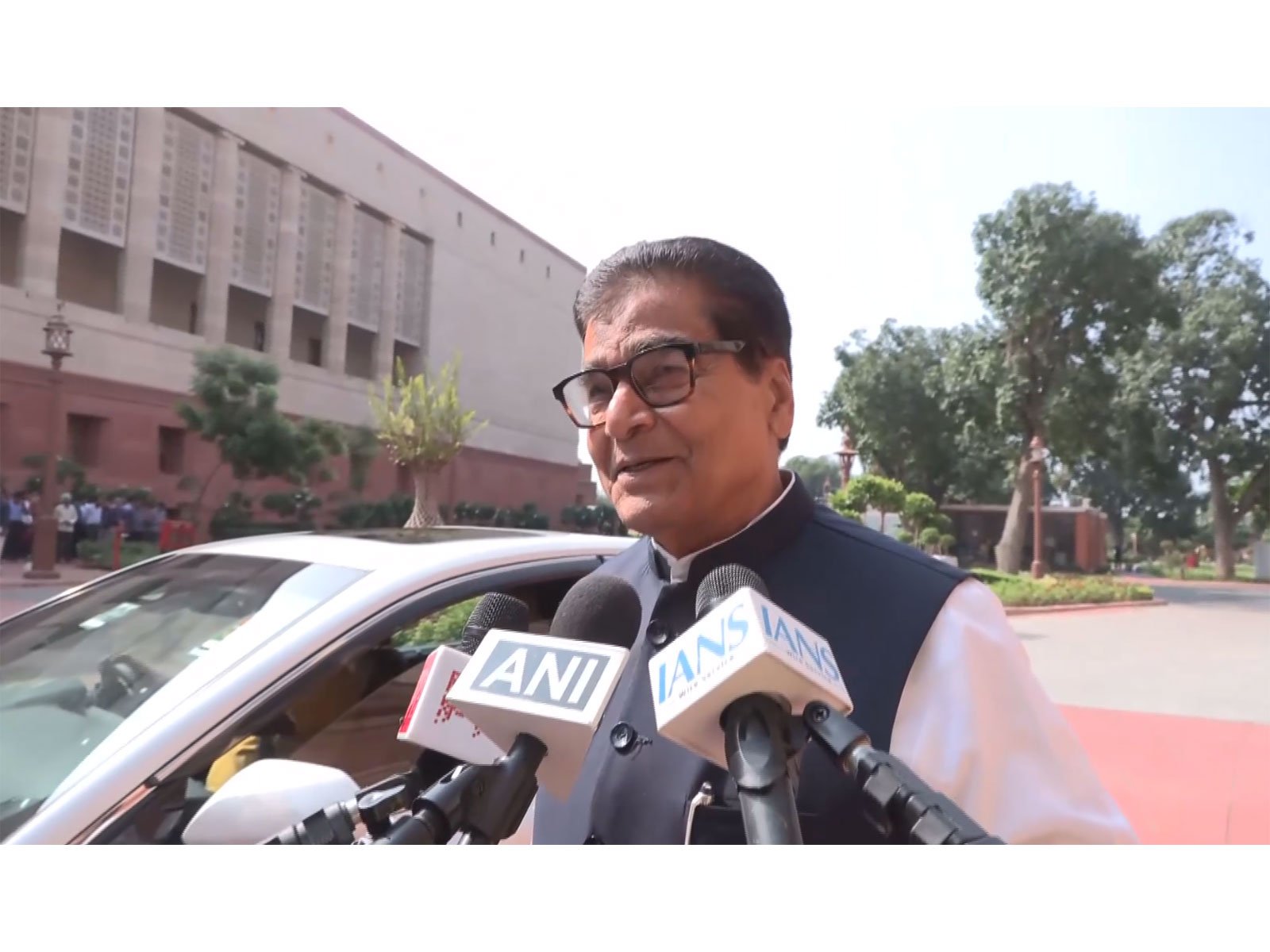
New Delhi: A fresh political confrontation has emerged in Parliament after Samajwadi Party (SP) MP Ram Gopal Yadav criticised Union Home Minister Amit Shah over his proposal regarding written questions before a detailed discussion in the House. Yadav questioned whether Parliament was now expected to operate like a press conference, where questions are submitted in advance before a leader responds.
The remarks by Yadav came amid continued confrontation between the government and the opposition over student protests related to the NEET paper leak and the subsequent police action against demonstrators. The issue has repeatedly disrupted parliamentary proceedings, with Opposition leaders demanding answers from the government.
Ram Gopal Yadav Objects to Written Questions Proposal
Speaking to reporters, Ram Gopal Yadav said that the practice suggested by Amit Shah was inconsistent with established parliamentary conventions. According to Yadav, ministers traditionally make statements or provide answers in the House, after which Members of Parliament from different parties seek clarifications within the prescribed time.
Yadav argued that MPs should not be required to submit every question beforehand in order to receive a response. Referring to the proposal associated with Amit Shah, he compared the arrangement with press conferences, where journalists may sometimes provide questions in advance.
The SP MP questioned whether Parliament should function in the same manner.
His criticism reflects a wider Opposition concern over parliamentary procedures and the way discussions are being conducted during the session. Yadav maintained that the Opposition would not accept conditions that, in its view, depart from established democratic practices.
Amit Shah Offers Discussion on NEET Issue
The controversy follows remarks by Amit Shah regarding the Opposition’s demand for a discussion on student protests and the NEET paper leak issue.
According to the statement provided, Amit Shah said that the government was prepared for a detailed discussion in Parliament and asked the Opposition to submit a letter to the Speaker so that the debate could begin at a specified time.
Amit Shah also said that he was prepared to remain in the House for an extended period, listen to members and respond to the issues raised by them. He maintained that the government had nothing to hide and was ready to address the concerns raised by the Opposition.
The comments were intended to signal the government’s willingness to discuss the matter in Parliament. However, the Opposition’s response indicates that procedural disagreements remain a major obstacle to a smooth debate.
Why the Written Questions Issue Matters
The disagreement surrounding Amit Shah is significant because parliamentary proceedings depend heavily on established rules, conventions and opportunities for MPs to seek clarifications from ministers.
Yadav argued that ministers normally respond to questions and statements in the House, allowing MPs to seek further clarification. His objection was therefore not simply about the NEET issue but about the broader parliamentary procedure being proposed.
The Opposition believes that advance submission of questions could limit spontaneous questioning and reduce the ability of MPs to respond to answers given during a discussion. On the other hand, the government position, as described in Amit Shah’s remarks, was that advance communication could help facilitate a structured and comprehensive discussion.
The disagreement therefore has both political and procedural dimensions.
Opposition Raises Concern Over Parliamentary Disruptions
Ram Gopal Yadav also criticised the functioning of Parliament during the ongoing session. He alleged that several bills had been passed amid disruptions and the din in the House.
Yadav argued that legislation should ideally be passed according to parliamentary rules and procedures rather than during prolonged disruptions. His comments add another layer to the broader political dispute between the government and the opposition.
The remarks about Amit Shah come at a time when Parliament has witnessed repeated disruptions over the NEET paper leak controversy. Opposition parties have sought greater accountability from the government, while the government has maintained that it is prepared to discuss the concerns.
Rahul Gandhi Seeks Response From Government
The NEET controversy has also involved Congress leader Rahul Gandhi, who has sought answers from the government regarding the examination controversy and student concerns.
The Opposition has repeatedly demanded a detailed discussion on the issue, particularly in the wake of protests by students. The dispute has consequently become one of the prominent issues of the parliamentary session.
Against this backdrop, Amit Shah’s offer to participate in a detailed discussion was presented as an attempt to address the concerns raised by Opposition members.
However, Yadav’s criticism shows that the Opposition remains dissatisfied with the proposed format. His remarks indicate that procedural safeguards and established parliamentary conventions are being treated as an important part of the debate.
Shivpal Singh Yadav and Azam Khan Remark
During his interaction with reporters, Ram Gopal Yadav was also asked about Shivpal Singh Yadav’s visit to senior Samajwadi Party leader Azam Khan and comments suggesting that Khan could become a “Jail Minister” in a future government.
Responding to the suggestion, Yadav dismissed the idea as an insignificant position for Azam Khan. He said that Khan had previously held much larger ministerial portfolios.
The comment came separately from the dispute involving Amit Shah, but it added another political dimension to Yadav’s interaction with the media.
Government vs Opposition: What Happens Next?
The dispute involving Amit Shah and Ram Gopal Yadav highlights the continuing tension between the government and the opposition over both substantive political issues and parliamentary procedure.
For the government, the priority appears to be presenting its willingness to debate the NEET controversy and respond to concerns raised by MPs. For the Opposition, the focus remains on obtaining answers while ensuring that parliamentary conventions are followed.
The disagreement over written questions could therefore become part of the larger debate about how Parliament should conduct discussions on contentious national issues.
As the confrontation continues, the effectiveness of parliamentary proceedings will depend on whether the government and Opposition can agree on a format that allows meaningful debate while maintaining established procedures.
The remarks by Amit Shah and the subsequent response from Ram Gopal Yadav demonstrate how procedural questions can quickly become political flashpoints. With the NEET controversy continuing to dominate discussions, Parliament remains the central platform where the government is expected to respond to Opposition demands and explain its position.
Key Takeaways
- Amit Shah offered to participate in a detailed parliamentary discussion on the NEET-related issue.
- Ram Gopal Yadav criticised the proposal involving written questions.
- Yadav compared advance questions with the practice sometimes followed at press conferences.
- The Opposition said it would not accept changes that it believes undermine parliamentary traditions.
- The NEET paper leak and student protests have contributed to repeated disruptions.
- The government has maintained that it is ready to answer questions raised by the Opposition.
- The dispute highlights wider tensions over parliamentary procedure and political accountability
Leave a Reply