

 admin
admin The polyester QCO revocation has created a major shift in the Indian textile industry. The government withdrew the Quality Control Orders on polyester fibre and polyester yarn on November 12, 2025. This decision allows manufacturers to source raw materials at global prices without additional restrictions. As a result, the textile and apparel sector expects faster growth and improved cost competitiveness.
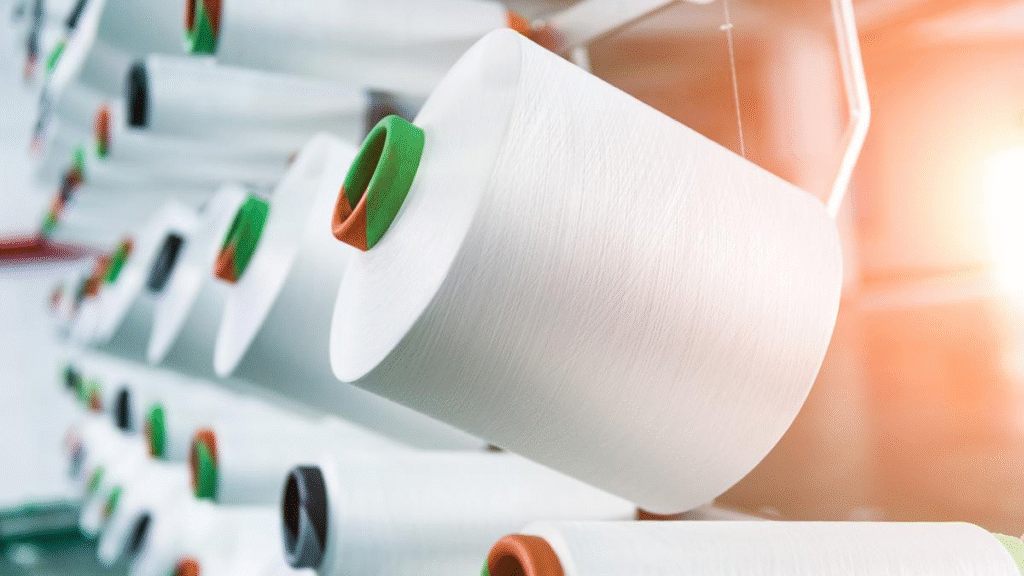
The Central government has revoked the Quality Control Order (QCO) on polyester fibre and yarn, bringing relief to the textile industry.
The government removed the QCOs using powers under Section 16 of the BIS Act. This withdrawal covers several essential materials such as ethylene glycol, terephthalic acid, polyester spun yarn, continuous filament yarn, and partially oriented yarn. The industry had demanded this change for a long time, and now the shift finally supports smoother sourcing.
Moreover, the man-made fibre (MMF) segment depends heavily on polyester. With easier access to raw materials, manufacturers can now operate with better margins. This move also reduces delays, lowers compliance pressure, and helps companies compete with global suppliers.
Industry Leaders Welcome the Move
Industry leaders immediately reacted to the polyester QCO revocation.
Ashwin Chandran, chairman of CITI, said the decision offers long-awaited relief. He believes the new policy will help the MMF sector grow faster because companies can purchase inputs at competitive prices.
Similarly, Durai Palanisamy from the Southern India Mills Association appreciated the announcement. He called it a step that addresses a long-pending need for the industry. Additionally, leaders expect that the Export Package announced on the same day will further strengthen confidence in the sector.
Impact on Cost and Competitiveness
The removal of QCOs simplifies sourcing. Consequently, textile and apparel companies can manage costs more effectively. The industry also expects better export performance because raw material prices will align with international markets. With fewer restrictions, businesses can now plan production cycles with greater flexibility and reliability. The government’s broader objective of promote ease of doing business and support the textile sector’s rapid expansion.
About The Author