
 admin
admin 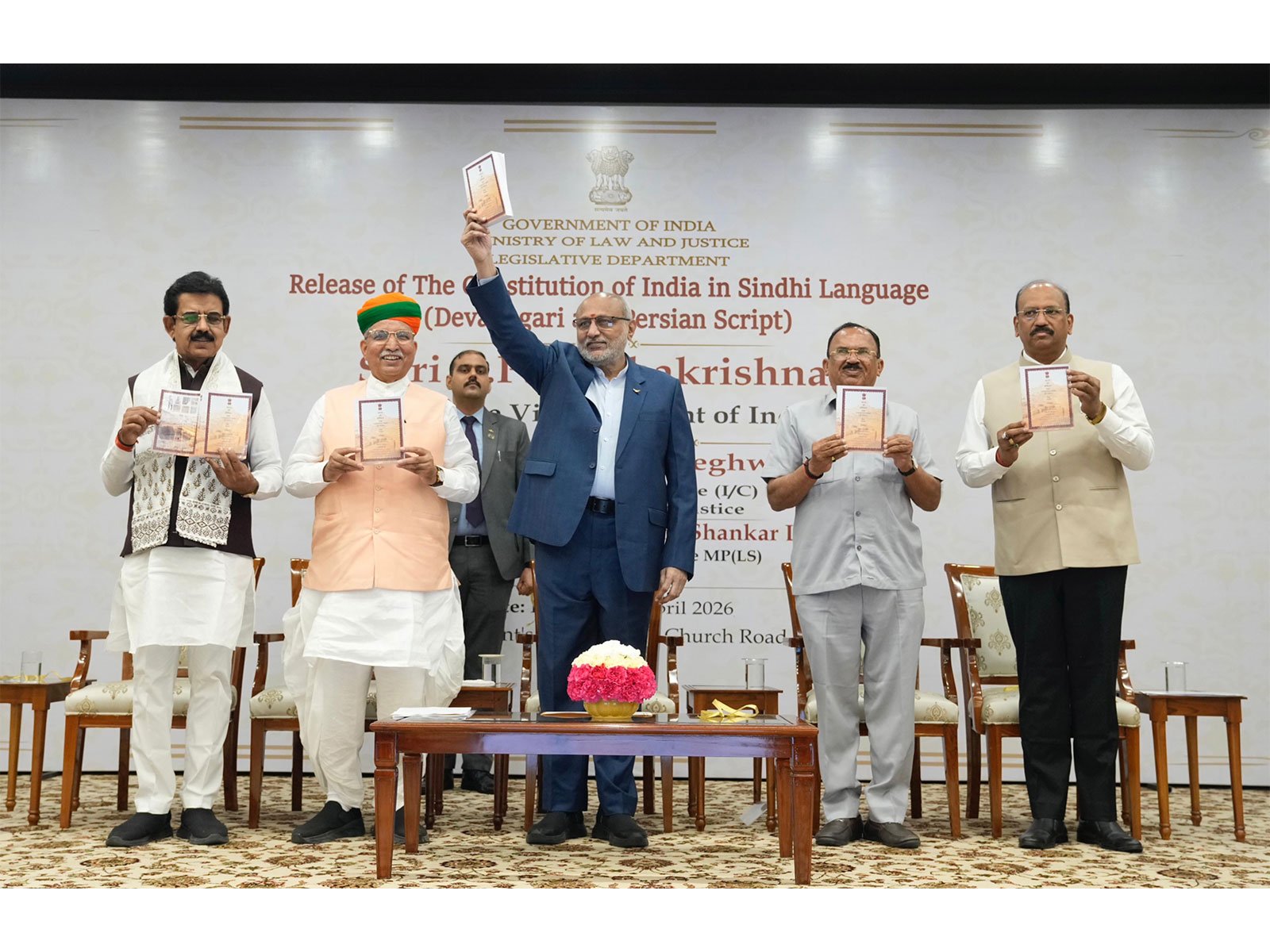
Government promotes multilingual access with Constitution of India in Sindhi
New Delhi | April 10, 2026
In a major step toward digital inclusivity and linguistic empowerment, C. P. Radhakrishnan officially released the latest version of the Constitution of India in the Sindhi language. The release includes both Devanagari and Persian scripts, making the document more accessible to diverse Sindhi-speaking communities across India.
A Step Toward Digital Governance and Accessibility
The event, held at Uprashtrapati Bhavan, highlights the government’s ongoing push to make critical national documents digitally available in regional languages. This move aligns with India’s broader Digital India vision, ensuring that citizens can access constitutional knowledge in their native language.
The Vice President emphasized that the Constitution is not just a legal framework but a living digital and democratic document, representing the nation’s values, governance structure, and citizens’ rights.
Promoting Linguistic Diversity Through Technology
The translation of the Constitution of India into Sindhi—especially in Devanagari script for the first time since Independence—marks a significant milestone in language digitization and cultural preservation.
Sindhi, one of the oldest languages in India, carries a rich heritage influenced by both Vedantic philosophy and Sufi traditions, promoting harmony, unity, and inclusiveness.
Government’s Push for Multilingual Digital India
The initiative is part of the government’s efforts under the leadership of Narendra Modi to digitize and translate key governance documents into multiple Indian languages.
Previously, the Constitution has been made available in languages such as:
- Bodo
- Dogri
- Santhali
- Tamil
- Gujarati
- Nepali
These efforts aim to bridge the gap between governance and citizens, enabling better understanding and participation in democracy.
Historical Significance of Sindhi Language
The Sindhi language holds a unique place in India’s history. It was included in the Eighth Schedule of the Constitution through the 21st Constitutional Amendment in 1967, recognizing its cultural and linguistic importance.
The Vice President noted that Sindhi played a vital role in maintaining unity and identity during the Partition era, symbolizing resilience among its speakers.
Role of Technology in Strengthening Democracy
The Ministry of Law and Justice has been actively working to ensure that constitutional content is available in regional languages through digital platforms. This initiative is expected to:
- Improve legal awareness
- Enhance citizen participation
- Strengthen democratic values
- Promote inclusive governance
Vision for Viksit Bharat 2047
The Vice President expressed confidence that such initiatives will contribute to building a digitally empowered and inclusive India under the vision of Viksit Bharat 2047. He also urged citizens to celebrate linguistic diversity while embracing national unity under the principle of “Nation First – Rashtra Pratham.”
About The Author