

 admin
admin 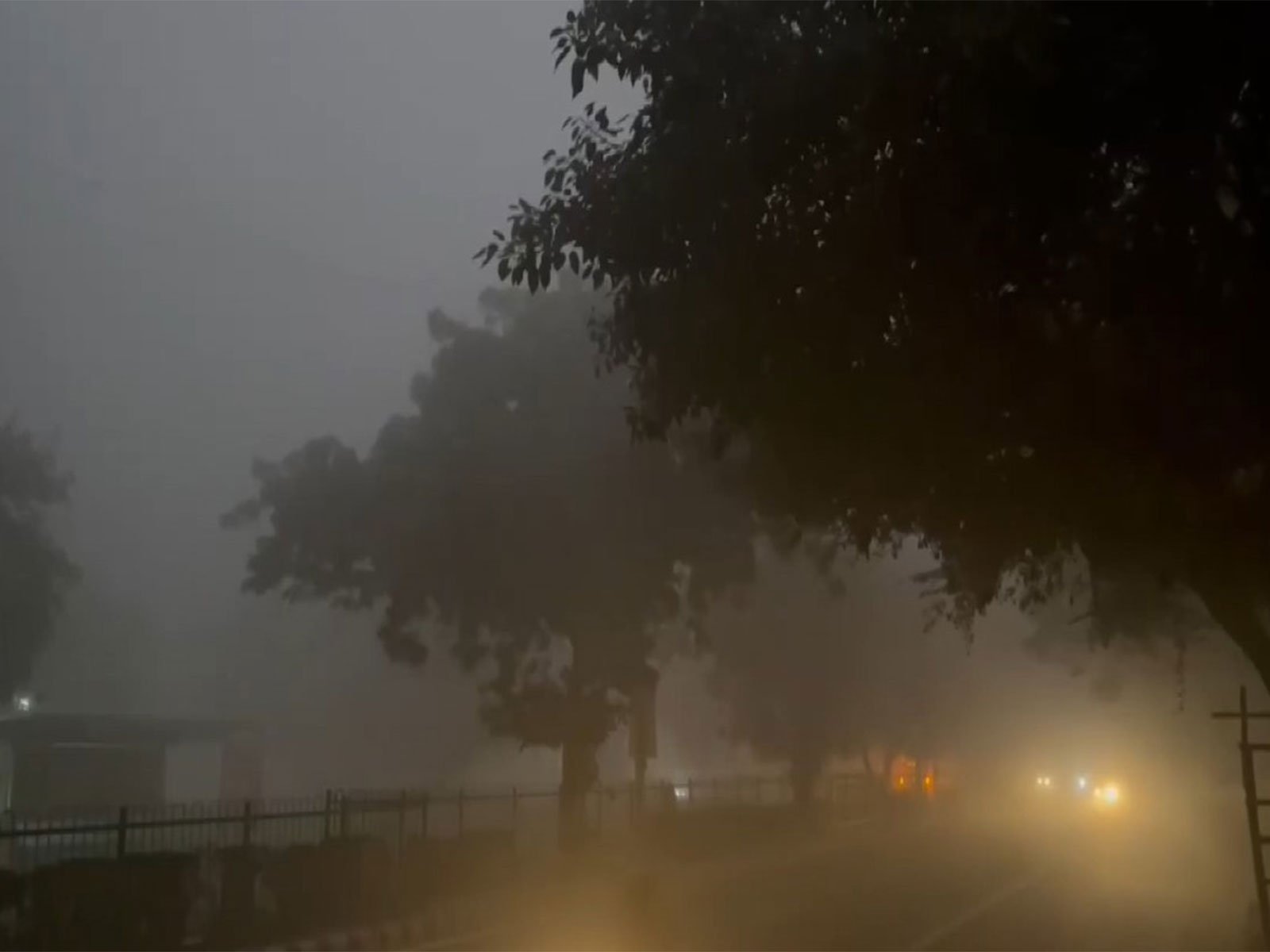
New Delhi, December 29:
Delhi woke up to a chilly and hazardous morning on Monday as dense fog combined with extreme air pollution, pushing the city’s Air Quality Index (AQI) to 402, officially placing it in the ‘severe’ category, according to data from the Central Pollution Control Board (CPCB).
The worsening air quality has raised serious health concerns for residents, especially children, the elderly, and people with respiratory issues.
Delhi Air Quality Worsens Overnight
For comparison, Delhi recorded an AQI of 390 on December 28 at 4 PM, which fell under the ‘very poor’ category. However, pollution levels rose sharply overnight, with several parts of the capital crossing the 400 AQI mark by morning.
Some of the worst-hit areas include:
- Anand Vihar: AQI 455
- Wazirpur: AQI 443
- Rohini: AQI 442
- Patparganj: AQI 431
- Punjabi Bagh: AQI 426
- Bawana: AQI 411
These locations firmly remain in the ‘severe’ air quality zone, posing serious health risks.
Areas With ‘Very Poor’ Air Quality
While a few regions reported slightly lower AQI readings, air quality still remained alarming:
- Dwarka Sector 8: AQI 400
- IGI Airport T3: AQI 318
- IIT Delhi: AQI 358
- Najafgarh: AQI 353
These areas fall under the ‘very poor’ category, which can cause breathing discomfort even among healthy individuals.
Dense Fog Reduces Visibility Across the Capital
Along with toxic air, dense fog blanketed large parts of Delhi, drastically reducing visibility during early morning hours. Motorists were seen driving with headlights on as fog affected movement across major routes.
Foggy conditions were reported in:
- Anand Vihar
- Dhaula Kuan
- Akshardham
- Dwarka
- Kartavya Path
Residents reported eye irritation, throat discomfort, and breathing difficulties, worsening the impact of pollution.
Transport Department Intensifies Action Against Polluting Vehicles
To curb rising pollution levels, the Delhi Transport Department has stepped up enforcement under GRAP (Graded Response Action Plan) norms.
According to official data:
- 28 goods-carrying and interstate buses were impounded
- Around 100 buses impounded so far this month
- 4,927 vehicles inspected
- 2,390 challans issued by Delhi Traffic Police (PUCC)
- 285 challans by Transport Enforcement
- 1,114 challans via ANPR cameras
- 170 GRAP-related challans issued
- 11 vehicles penalised by the Transport Department
- 238 vehicles released after compliance
Strict Action Against PUC Centres
The department also cracked down on Pollution Under Control (PUC) centres:
- 28 PUC centres suspended
- 2 centres cancelled
- Action initiated against 2 more centres
This move aims to ensure transparency and eliminate malpractice in pollution certification.
Minister Emphasises Clean Air and Citizen Convenience
Delhi Transport Minister Pankaj Kumar Singh directed senior officials to personally inspect PUC centres to ensure citizens do not face inconvenience.
“Our fight against pollution requires strict enforcement along with citizen convenience. Any irregularity will be dealt with firmly. Clean air for Delhi and transparent services remain our top priorities,” the minister said.
Conclusion
With AQI levels remaining in the severe category and dense fog continuing to blanket the city, Delhi residents are advised to avoid outdoor activities, wear protective masks, and follow government advisories. Authorities continue monitoring the situation closely as pollution control measures remain in force.
About The Author