
Ministers Hardeep Puri, Nirmala Sitharaman Praise PM Modi for Excise Duty Cut to Protect Citizens
 admin
admin 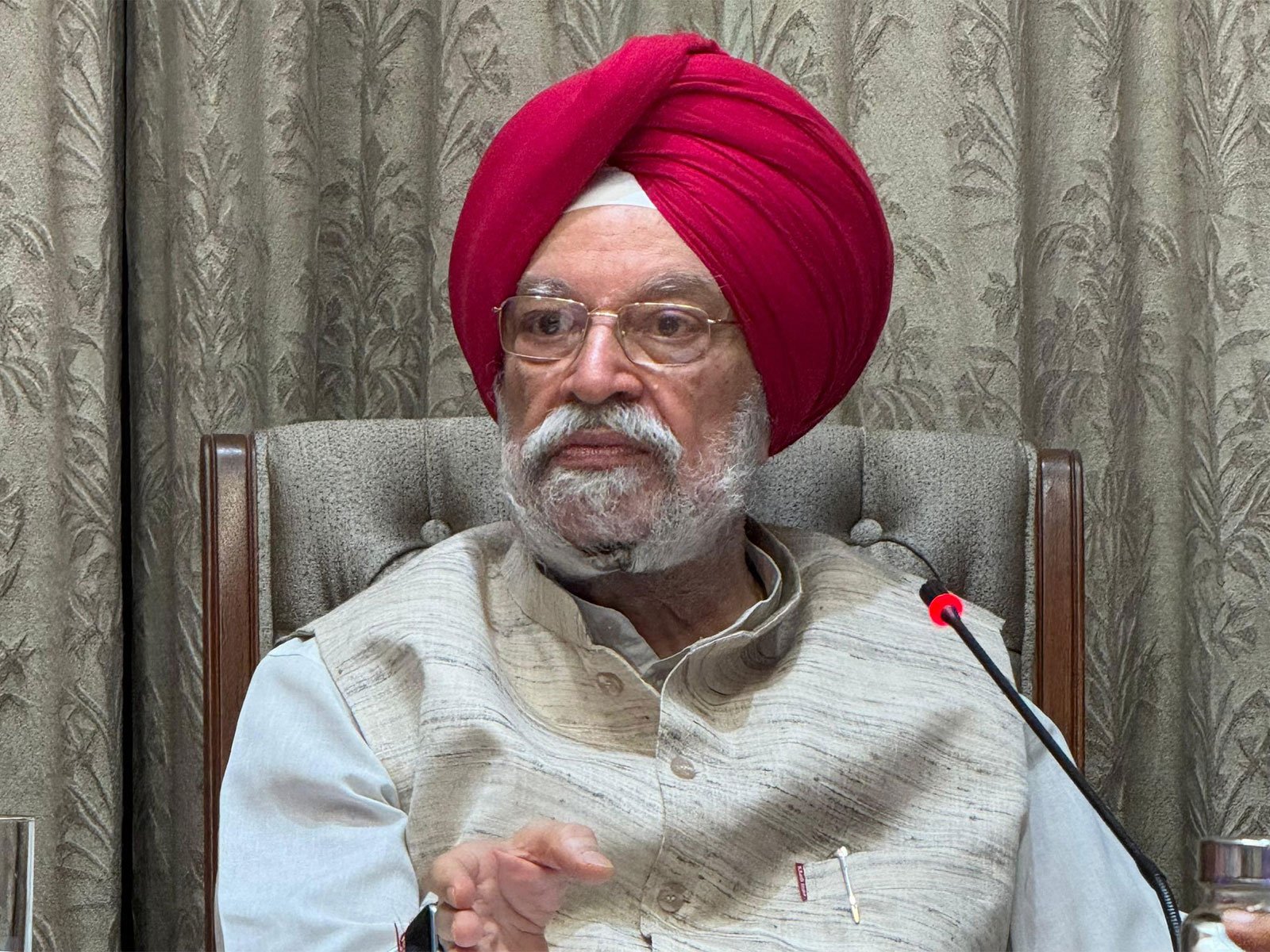
New Delhi, India | March 27, 2026
Union Ministers Hardeep Singh Puri and Nirmala Sitharaman have praised Prime Minister Narendra Modi for reducing excise duties on petrol and diesel, calling it a bold move to shield Indian citizens from rising global fuel prices.
Government Takes Financial Hit to Protect Citizens
Speaking on the decision, Hardeep Singh Puri highlighted that the government chose to absorb financial losses rather than pass the burden onto citizens.
He noted that international crude oil prices have surged sharply—from around $70 per barrel to $122 per barrel in just one month—leading to fuel price hikes across the world.
According to Puri, while many countries increased fuel prices significantly:
- South East Asia saw hikes of 30–50%
- North America around 30%
- Europe approximately 20%
- Africa nearly 50%
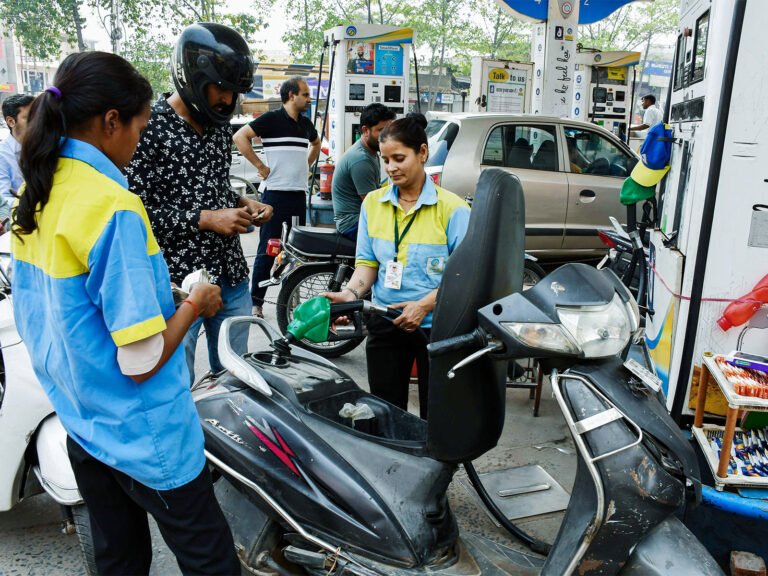
However, India chose to protect its citizens by reducing excise duties and stabilizing domestic prices.
Excise Duty Cuts and Additional Measures
The government recently:
- Reduced excise duty on petrol to ₹3 per litre
- Removed excise duty on diesel
- Imposed ₹21.5/litre export duty on diesel
- Introduced ₹29.5/litre duty on Aviation Turbine Fuel (ATF)
These steps aim to ensure adequate domestic fuel availability and reduce pressure on oil marketing companies.
Finance Minister Highlights Consumer Protection
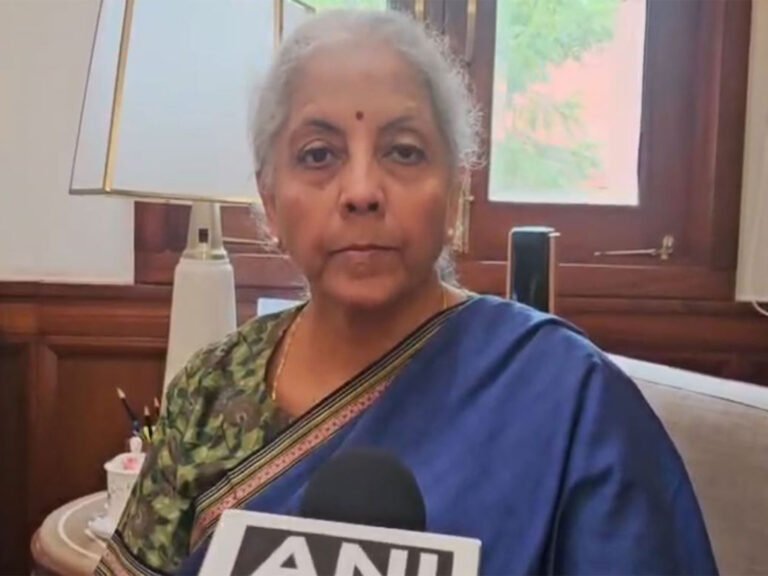
Nirmala Sitharaman emphasized that the government acted swiftly in response to the global energy crisis.
She stated that the decision reflects the government’s commitment to protecting citizens from sudden spikes in essential commodity prices. She also confirmed that Parliament has been informed about these changes.
Global Crisis Behind Fuel Price Surge
The fuel price surge is largely driven by geopolitical tensions involving the United States, Israel, and Iran.
A key factor is the disruption in oil supply through the Strait of Hormuz, which handles nearly 20–25 million barrels of oil daily. India previously sourced 12–15% of its crude oil through this route.
Strategic Choice: Citizens Over Revenue
Puri explained that the government faced two options:
- Increase fuel prices like other nations
- Absorb losses to protect citizens
The government chose the latter, even though oil companies were facing losses of approximately ₹24/litre on petrol and ₹30/litre on diesel.
The excise duty cut reflects a strategic and citizen-focused approach by the government during a global energy crisis. By prioritizing economic stability and consumer protection, the move aims to cushion the impact of volatile international oil prices on Indian households.
About The Author