
 admin
admin 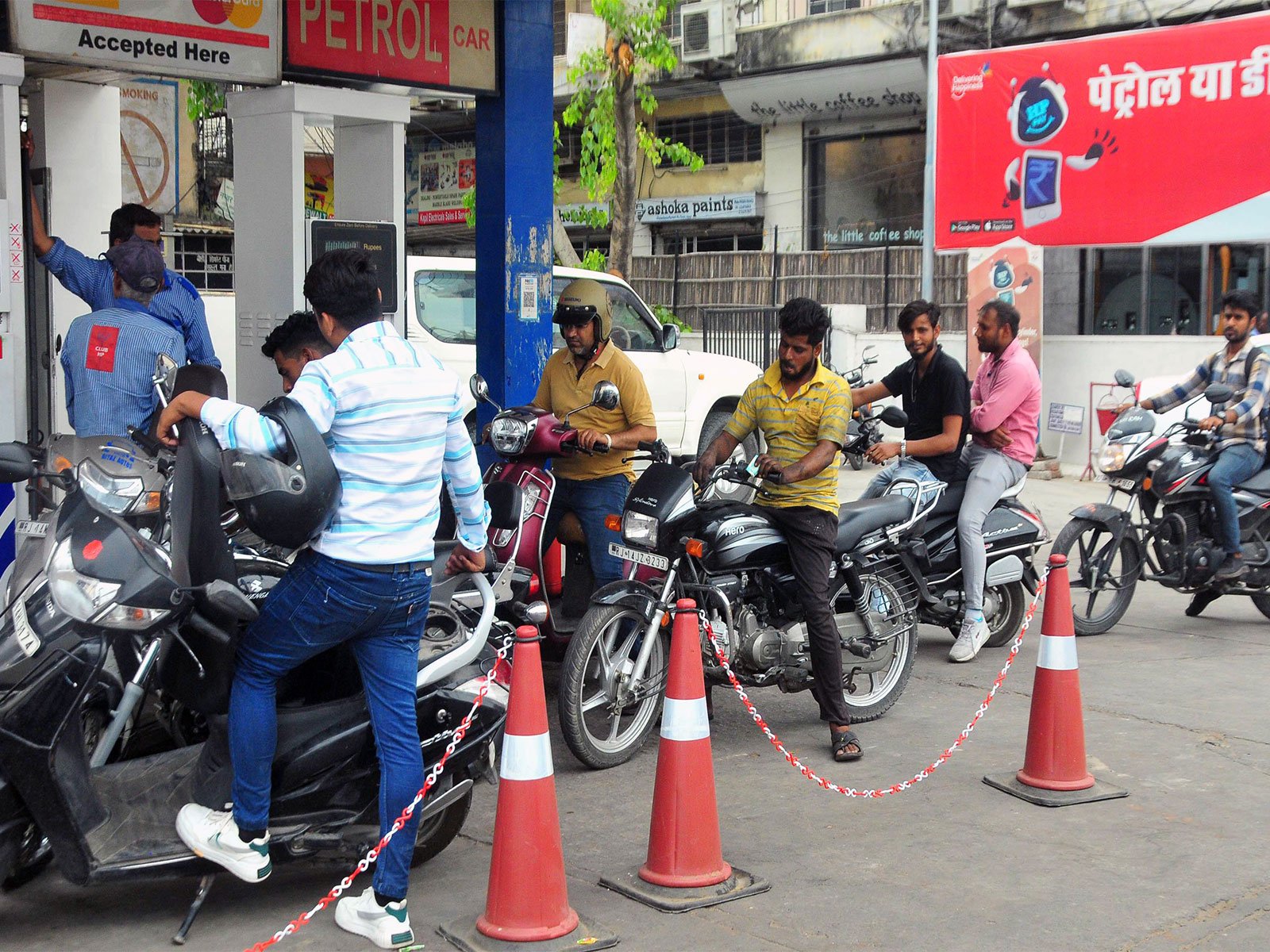
New Delhi, April 4, 2026:
India’s rollout of 20% ethanol blending in petrol (E20) is driven by long-term energy self-reliance goals rather than geopolitical factors, said CK Jain, President of the Grains Ethanol Manufacturers Association (GEMA).
Focus on Energy Independence
Jain explained that the E20 initiative aims to reduce dependence on fuel imports. According to him, the policy aligns with India’s strategy to strengthen domestic energy resources. He also clarified that global conflicts have not influenced this decision.
E20 Rollout and Future Scope
India started the full rollout of E20 from April 1. Jain described this milestone as a checkpoint instead of a final target. With sufficient feedstock and infrastructure now in place, the country can consider increasing blending levels beyond 20 per cent.
Production Capacity and Demand
India’s ethanol production capacity has reached around 2,000 crore litres. Current demand for 20% blending stands at approximately 1,300–1,400 crore litres. Upcoming projects are expected to further expand production capacity in the near future.
Industry Challenges
Despite strong capacity, ethanol plants currently operate at only 40–50% efficiency. This underutilisation raises concerns about financial stress in the sector. Jain warned that prolonged low utilisation could lead to rising non-performing assets.
Economic Benefits and Feedstock Availability
Ethanol blending has helped India save nearly ₹40,000 crore in crude oil imports. A significant portion of this benefit supports farmers and rural economies. Moreover, surplus grain, including rice and maize, ensures steady feedstock availability without affecting food security.
Future Opportunities and Concerns
Looking ahead, Jain suggested expanding ethanol use beyond transport fuel. He proposed ethanol-based cooking solutions as a potential alternative to LPG. At the same time, he highlighted global supply risks, including reduced LNG availability, which may impact fertiliser production.
Overall, India’s E20 programme reflects a strategic shift toward energy independence. With strong capacity and policy support, the country may further increase ethanol blending levels in the coming years.
About The Author