

 admin
admin 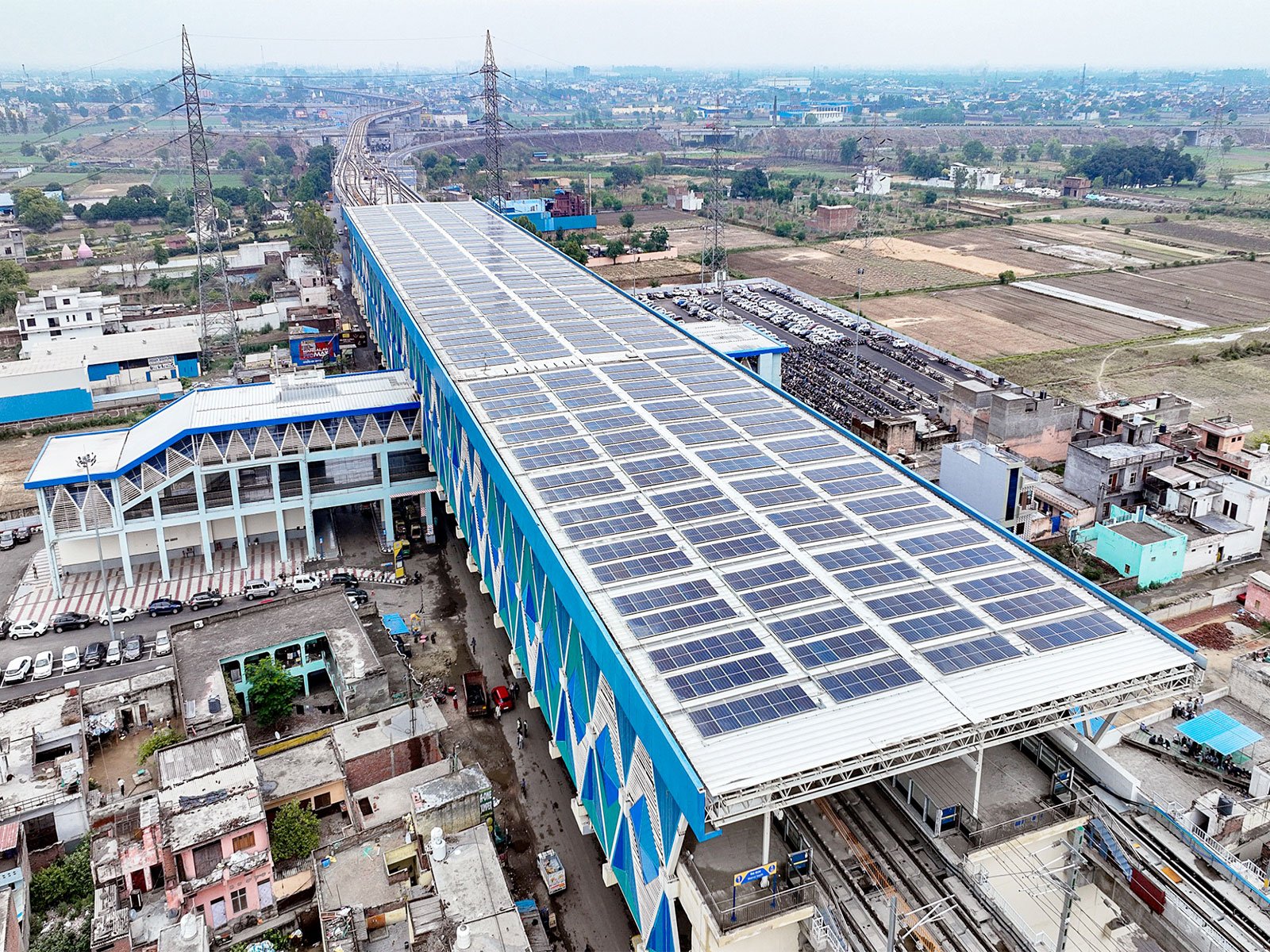
New Delhi | January 22, 2026 :
India has made strong progress in expanding its power generation capacity over the last five years. According to a report by the Reserve Bank of India (RBI), the country’s installed power capacity has increased by nearly 36 per cent during this period.
Notably, renewable energy has driven most of this growth.
2025 Becomes a Landmark Year for Clean Energy
According to the RBI report, 2025 marked a historic milestone for India’s clean energy transition. During the year, the country recorded its highest-ever annual addition to renewable energy capacity.
In particular, solar power installations led this surge. As a result, renewable energy strengthened its role in meeting rising electricity demand.
Steady Rise in Renewable Capacity Additions
Meanwhile, data from the Central Electricity Authority (CEA) shows a consistent increase in renewable capacity additions over the years.
- In 2020, renewable additions stood at 5.6 GW.
- In 2021, capacity rose sharply to 14.4 GW.
- In 2022, additions increased further to 16.4 GW.
- However, growth moderated to 13.0 GW in 2023.
- Subsequently, additions jumped to 28.6 GW in 2024.
- Finally, 2025 recorded a record 48.6 GW, the highest so far.
Therefore, the data highlights strong momentum in India’s renewable energy expansion.
Fossil Fuel Growth Remains Limited
In contrast, fossil fuel-based power capacity additions remained modest. Annual additions ranged between 1 GW and 4 GW during the same period.
This trend reflects a gradual shift away from conventional energy sources. As a result, India’s energy mix continues to become cleaner.
Nuclear Energy Sees Renewed Focus
Meanwhile, nuclear power capacity additions remained limited but stable. Small additions began from 2023 onwards, indicating renewed policy attention.
Moreover, the RBI report highlighted government initiatives to strengthen the nuclear sector.
Nuclear Capacity Target Set for 2047
According to the report, the SHANTI Bill 2025 and the Nuclear Energy Mission aim to boost nuclear capacity significantly.
Under these initiatives, India plans to raise nuclear power capacity to 100 GW by 2047. Therefore, nuclear energy will complement renewables in the long term.
Power Sector Undergoing Structural Change
Overall, the RBI report noted that India’s power sector is undergoing a structural transformation. Renewable energy has emerged as the primary driver of capacity growth.
Moreover, record additions in 2025 signal strong momentum. Consequently, India is better positioned to meet future energy demand sustainably.
About The Author