
Jairam Ramesh Questions PM Modi Over February 2 India-US Trade Deal After US Supreme Court Strikes Down Trump’s Tariffs
 admin
admin 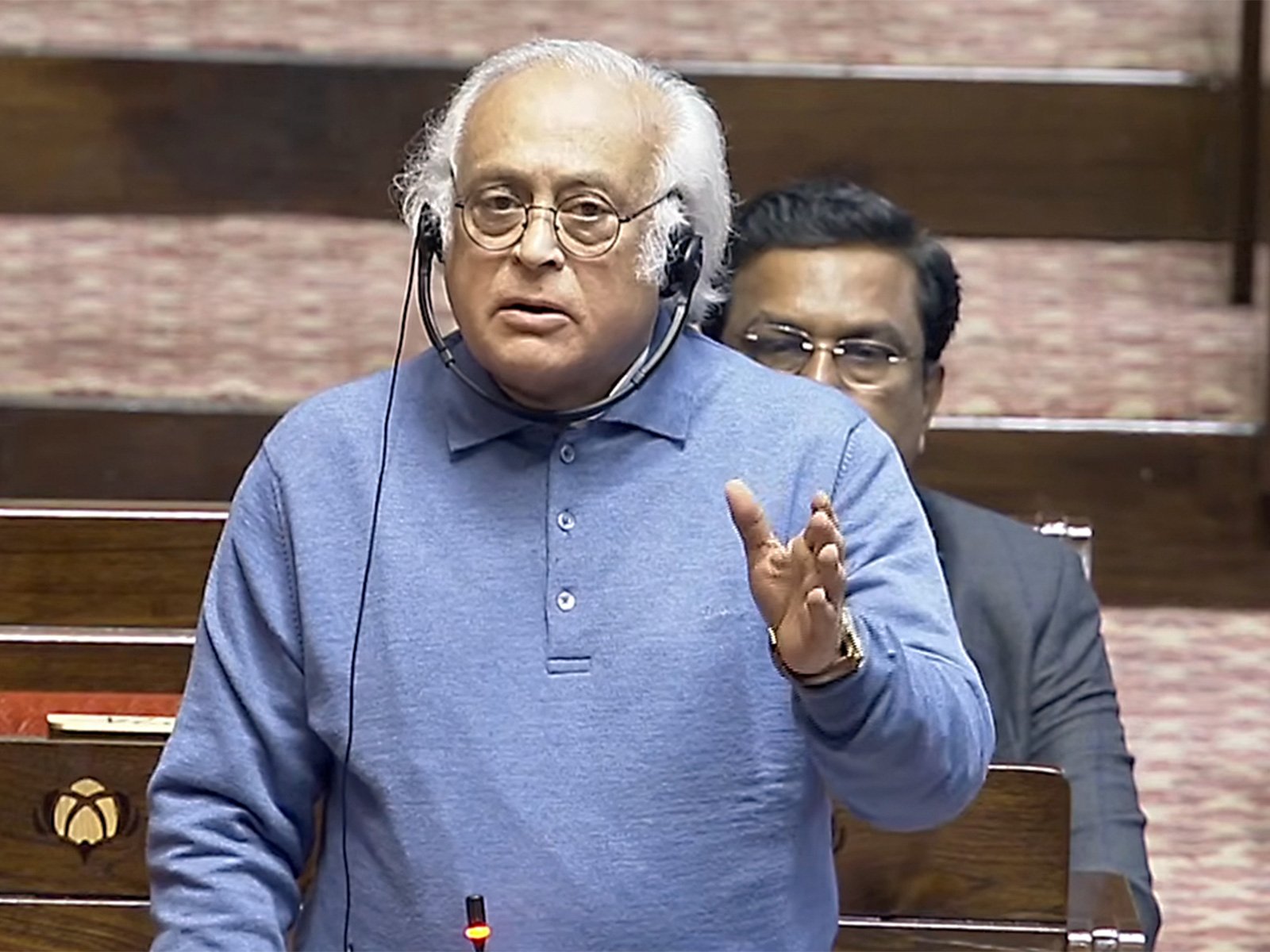
New Delhi, February 21, 2026:
Senior Congress leader Jairam Ramesh criticised Prime Minister Narendra Modi over the timing of the February 2 India-US trade deal announcement. According to him, the decision appeared “desperate” and politically motivated. His remarks came a day after the US Supreme Court struck down former US President Donald Trump’s reciprocal tariffs policy.
Earlier, Ramesh shared his views on social media platform X. In his post, he referred to statements made by Donald Trump following the Supreme Court’s verdict. He questioned why the trade deal was announced late on February 2 (Indian time). Furthermore, he alleged that the announcement was intended to create a political diversion.
What Jairam Ramesh Said
Following the Supreme Court ruling, Ramesh claimed that Trump made three important statements. First, Trump described Prime Minister Modi as his “great friend.” Second, he said the India-US trade deal would continue as announced. Third, he alleged that “Operation Sindoor” was halted on May 10, 2025, after he threatened to increase tariffs on Indian exports.
In addition, Ramesh highlighted Trump’s February 2 statement. At that time, Trump said the trade deal was finalised “out of friendship and respect for Prime Minister Modi.” He also mentioned that it was done “as per his request.”
Raising further questions, the Congress MP asked what compelled the Prime Minister to ensure the announcement that night. He also questioned what developments took place in the Lok Sabha earlier that afternoon.
Allegations of Political Diversion
Meanwhile, Ramesh linked the timing of the deal to domestic political developments. According to his statement, the government may have attempted to shift public attention away from parliamentary proceedings.
Moreover, he argued that the government should have waited for the Supreme Court verdict, which came 18 days later. Had that happened, India might have negotiated stronger safeguards. As a result, farmers and national interests could have been better protected.
Describing the agreement as an “ordeal,” Ramesh accused the Prime Minister of acting in haste.
Background: India-US Trade Deal and Tariff Dispute
Under the February 2 framework, India reportedly agreed to reduce tariffs on certain US exports from 50 percent to 18 percent. However, the US Supreme Court later ruled that Trump’s reciprocal tariffs were unconstitutional. The court observed that the International Emergency Economic Powers Act did not grant authority for broad unilateral tariffs.
Subsequently, Trump invoked Section 122 of the Trade Act of 1974. This provision allows a temporary 10 percent global tariff for 150 days. Nevertheless, any higher tariff would require action under Sections 232 or 301. These sections involve national security or unfair trade investigations.
Political Reactions
As the controversy grew, opposition leaders demanded greater clarity from the government. Specifically, they sought details about the urgency of the February 2 announcement. They also asked about the full terms of the trade framework and its potential impact on farmers and exporters.
So far, the government has not issued a detailed response to the allegations raised by Jairam Ramesh.
About The Author