admin
admin 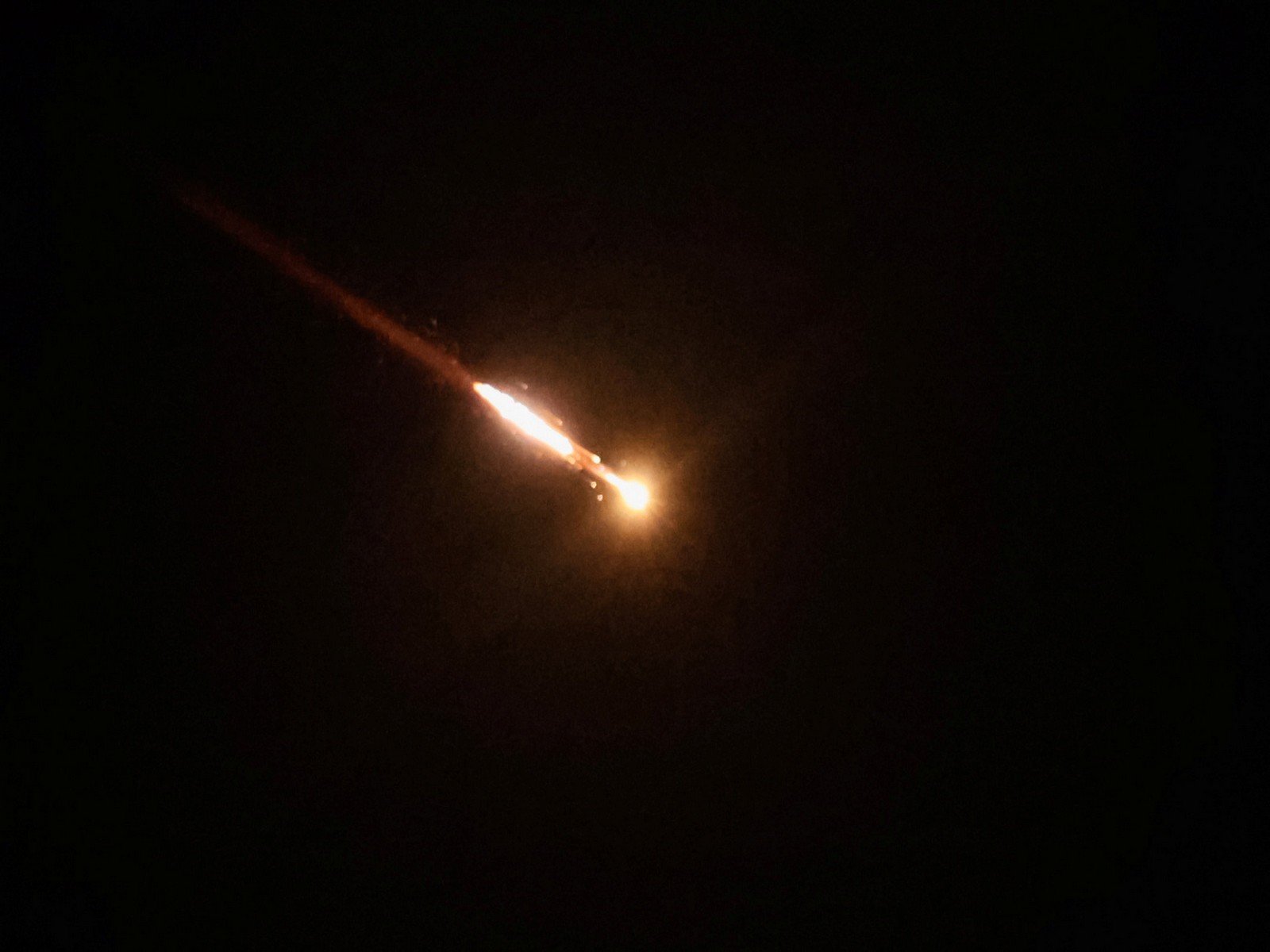
A projectile launched from Iran heads towards Israel, as the U.S.-Israeli conflict with Iran continues, as seen from Ramallah, in the Israeli-occupied West Bank, March 28, 2026. REUTERS/Mohammed Torokman
Washington DC, April 4, 2026:
A report by the Institute for the Study of War has stated that a majority of Iran’s ballistic missiles are “combat-ineffective” and unable to complete assigned missions, even if a significant number of launchers remain intact.
The report said that nearly 50 per cent of Iranian missile launchers are still intact. However, many of them cannot function effectively in combat. Analysts explained that a launcher becomes ineffective when it fails to carry out its mission, regardless of physical damage.
The study found that Iran’s medium-range ballistic missile capability has been significantly degraded. At the same time, short-range missile systems continue to operate at a steady pace, although their overall status remains unclear.
Iran has used drones and missiles to target Israel and the United States assets in West Asia during the ongoing conflict. However, continued strikes by U.S. and Israeli forces have reduced the frequency of missile attacks in recent weeks.
The report also highlighted a decline in Iranian missile launches since March 20. It linked this trend to sustained military pressure and growing concerns among Iranian forces. It further pointed to recruitment and retention challenges within the military.
According to the findings, strikes on defence infrastructure have weakened Iran’s ability to rebuild its missile and drone stockpiles. Analysts noted that ongoing operations could limit Iran’s long-term military capabilities.
Meanwhile, Iranian forces have continued retaliatory actions under “Operation True Promise 4,” targeting Israeli military positions, indicating that tensions in the region remain high.
Also, Reed: Morning Digest: INS Aridhaman Joins Naval Fleet; Iran Downs U.S. Jets
About The Author