
Iran Calls India ‘Reliable Partner’ Amid Strait of Hormuz Tensions, Assures Safe Passage for Ships
 admin
admin 
New Delhi, April 13, 2026
Amid rising geopolitical tensions in the Strait of Hormuz, Iran has reaffirmed its strong diplomatic relationship with India, calling it a “reliable and compassionate partner.” Iran’s Ambassador to India, Mohammad Fathali, emphasized Tehran’s commitment to ensuring the safe passage of Indian vessels through the strategically vital waterway, even as global concerns over maritime security continue to escalate.
India-Iran Relations Strengthen During Crisis
Speaking at a press conference in New Delhi, Ambassador Fathali highlighted the deep-rooted ties between the two nations. He stated that India remains one of Iran’s closest allies, especially during challenging geopolitical situations.
“We have a good relationship with the Indian government, and we want proper preparation and safe movement for Indian ships,” Fathali said. He further added that Iran’s Foreign Minister has already recognized India as one of the five key friendly nations, underlining the importance of bilateral cooperation.
The ambassador also expressed gratitude toward the Indian government and citizens for their continued support. According to him, India has demonstrated reliability and compassion during times of crisis, reinforcing trust between the two countries.
Strait of Hormuz: A Critical Global Trade Route
The Strait of Hormuz is one of the most important maritime routes in the world, serving as a key passage for global oil and gas shipments. Nearly one-fifth of the world’s petroleum passes through this narrow waterway, making it strategically crucial for energy security.
Fathali reiterated that the Strait falls under Iran’s territorial jurisdiction. He stated that despite the ongoing tensions, Iran is committed to maintaining safe navigation for friendly nations like India.
“Before the conflict, the Strait of Hormuz was open. However, repeated attacks and violations forced a change in the situation. This waterway remains part of our territorial waters,” he asserted.
Accusations Against the United States and Israel
The Iranian envoy also accused the United States and Israel of escalating tensions in the region. He alleged that diplomatic negotiations were undermined by sudden military actions.
“In the twelve-day conflict, Iran was engaged in negotiations when attacks were launched by the United States and the Zionist regime,” Fathali said. He further criticized what he described as repeated breaches of commitments by the United States, stating that Iran has learned from past experiences and remains cautious about Western diplomatic intentions.
The ambassador emphasized that diplomacy, for Iran, is closely linked to its national defense strategy. He noted that Iran would not forget historical actions that it believes undermined trust.
Safe Passage for Indian Ships Continues
Despite the volatile situation, India has successfully navigated its vessels through the Strait of Hormuz. One notable example is the Indian-flagged LPG tanker Jag Vikram, which recently completed a safe transit through the region.
The tanker, carrying 24 Indian crew members, sailed out of the Persian Gulf and reached the Gulf of Oman after navigating the sensitive zone between Friday night and Saturday morning. It is expected to arrive at an Indian port shortly.
Union Shipping Minister Sarbananda Sonowal confirmed the development, stating that the vessel successfully exited the conflict zone and is heading safely toward Indian shores.
List of Indian Vessels Successfully Navigated
Jag Vikram is not the only Indian vessel to have crossed the Strait safely. Several other ships have also completed their journeys despite the heightened tensions. These include:
- MT Shivalik
- MT Nanda Devi
- Pine Gas
- Jag Vasant
- BW TYR
- BW ELM
- Green Asha
- Green Sanvi
The safe passage of these vessels highlights India’s ongoing diplomatic engagement with Iran and its ability to secure maritime routes even during uncertain times.
India’s Diplomatic Strategy
India has maintained a balanced and strategic diplomatic approach throughout the crisis. The government has been in direct communication with Iranian authorities to ensure the safety of Indian ships and crew members.
External Affairs Minister S. Jaishankar clarified that while India is actively engaging with Iran, there is no blanket agreement guaranteeing passage. Each case is being handled through diplomatic channels, ensuring that Indian interests are protected without escalating tensions.
This cautious approach reflects India’s broader foreign policy strategy of maintaining strong relations with multiple global powers while prioritizing national security and economic interests.
US Announces Naval Blockade
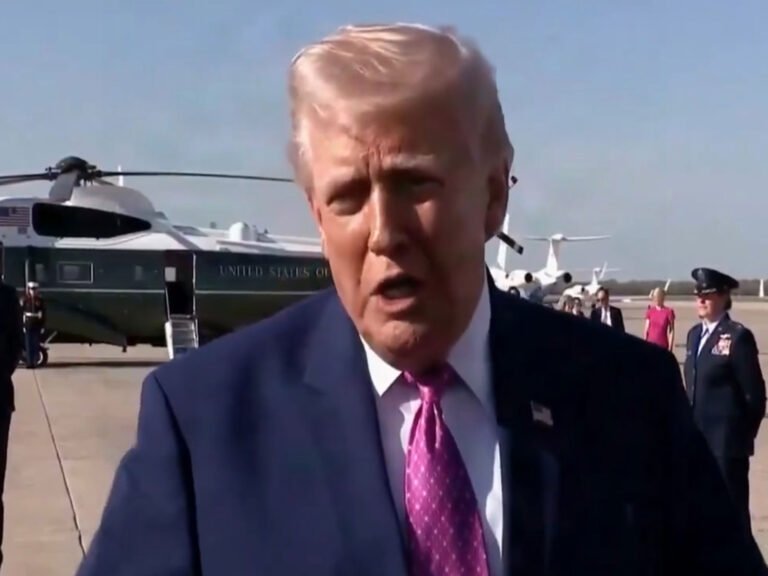
The situation in the Strait of Hormuz took a dramatic turn when US President Donald Trump announced a naval blockade in the region. The decision came after the collapse of a 21-hour negotiation between US and Iranian officials.
In a strong statement, Trump declared that the US Navy would begin intercepting all vessels attempting to enter or exit the Strait of Hormuz. He warned that any ship paying transit tolls to Iran would face consequences in international waters.
“Effective immediately, the United States Navy will block any ships trying to enter or leave the Strait of Hormuz,” Trump said. He further warned that any hostile action from Iranian forces would be met with severe military retaliation.
Rising Global Concerns
The blockade announcement has raised serious concerns across the global community. Experts warn that any disruption in the Strait of Hormuz could significantly impact global oil prices, trade routes, and overall economic stability.
Energy-importing countries like India are particularly vulnerable to such disruptions, as they rely heavily on oil shipments passing through the region. A prolonged conflict could lead to increased fuel prices and supply chain challenges.
Future Outlook
While a temporary ceasefire has allowed some vessels to pass safely, the situation remains highly unpredictable. The presence of military forces, ongoing diplomatic tensions, and competing geopolitical interests continue to create uncertainty in the region.
Iran’s assurance to India provides some relief, but the broader conflict dynamics suggest that the Strait of Hormuz will remain a critical flashpoint in global politics.
India is expected to continue its diplomatic engagement while exploring alternative energy routes and strengthening maritime security to safeguard its interests.
Conclusion
The ongoing tensions in the Strait of Hormuz highlight the fragile balance of global geopolitics. Iran’s recognition of India as a reliable partner underscores the strength of bilateral relations, even in challenging times.
However, with the United States imposing a naval blockade and regional tensions escalating, the situation remains volatile. For India, ensuring the safety of its ships and maintaining stable trade routes will be crucial in the coming days.
As global powers navigate this complex scenario, the Strait of Hormuz continues to be a focal point of international attention, with far-reaching implications for the world economy and geopolitical stability.
About The Author