
Iran Slams US Secretary of War Over “Stone Age” Remark, Questions Washington’s Shifting Agenda
 admin
admin 
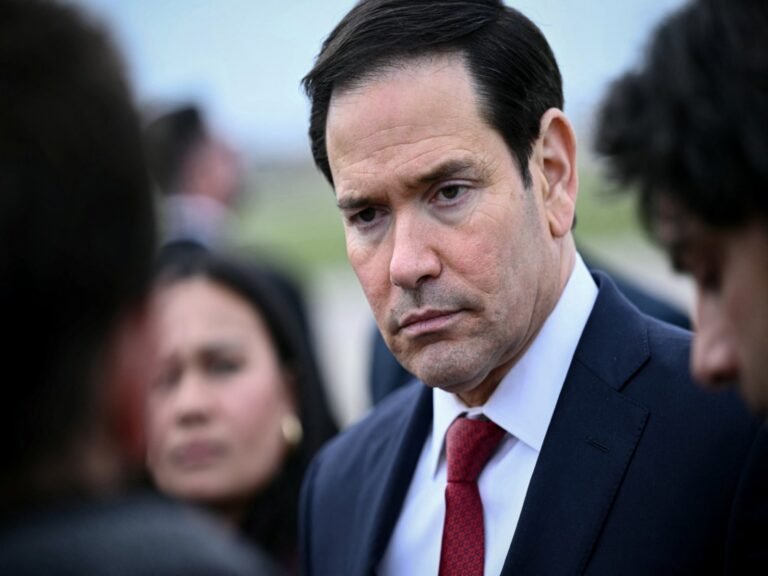
Mumbai, Maharashtra – April 2: The Consulate General of the Islamic Republic of Iran in Mumbai criticized US Secretary of War Pete Hegseth for echoing US President Donald Trump’s remark. Trump had threatened to take Iran “back to the Stone Age” during his national address, which outraged Tehran.
Iran Rejects US Aggressive Rhetoric
The Iranian Consulate posted a message on X (formerly Twitter), questioning the US’s stance on military action against Iran. They noted the shift in Washington’s agenda, which initially aimed to make Iran “Great Again.” Now, the goal seems to be pushing Iran backward to the Stone Age.
The consulate pointed out that civilizations like Iran’s, which dates back to the Achaemenid Empire of 550 BC, don’t need to be made “great again.” “Civilizations that go back to empires like the Achaemenids don’t really do ‘again.’ They just are,” the consulate said.
Trump’s Warning of Severe Military Action
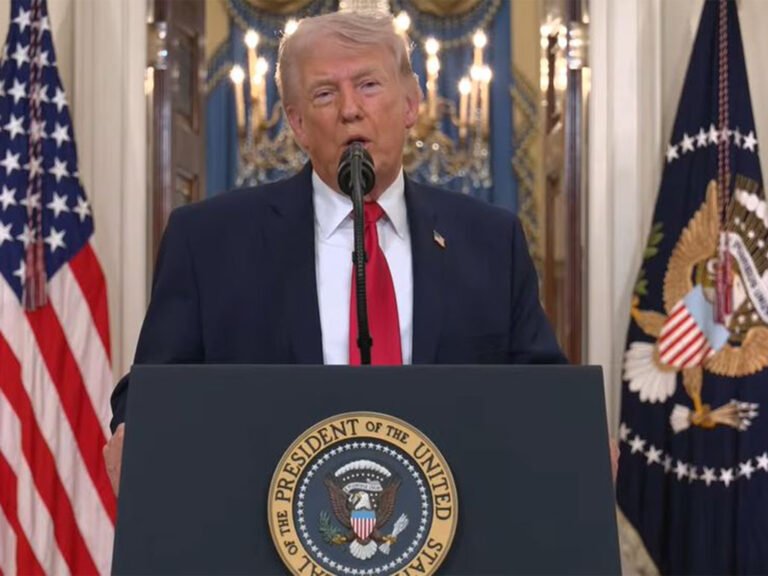
President Trump recently warned that Iran could face intense military action in the next few weeks. He said that the US was “on the cusp” of ending Iran’s “sinister threat” to the US and the world.
“We are going to hit them extremely hard over the next two to three weeks,” Trump declared. “We are going to bring them back to the Stone Age, where they belong.”
Diplomatic Talks Amid Growing Tensions
Trump’s comments came during ongoing diplomatic talks between the US and Iran. The two sides are working toward a resolution to the conflict, which has been escalating for more than a month. The US–Israel joint military strikes on Iran on February 28 resulted in the death of Iran’s Supreme Leader, Ayatollah Ali Khamenei. In retaliation, Tehran targeted US and Israeli assets in the Gulf. These actions disrupted waterways and impacted global energy markets. After Khamenei’s death, his son, Mojtaba Khamenei, became Iran’s new supreme leader.
The Iran-US conflict continues to intensify, with US aggression and Iran’s resistance growing. Diplomatic efforts continue, but the situation remains tense, with significant implications for global energy markets and geopolitical stability in West Asia.
About The Author