
 admin
admin 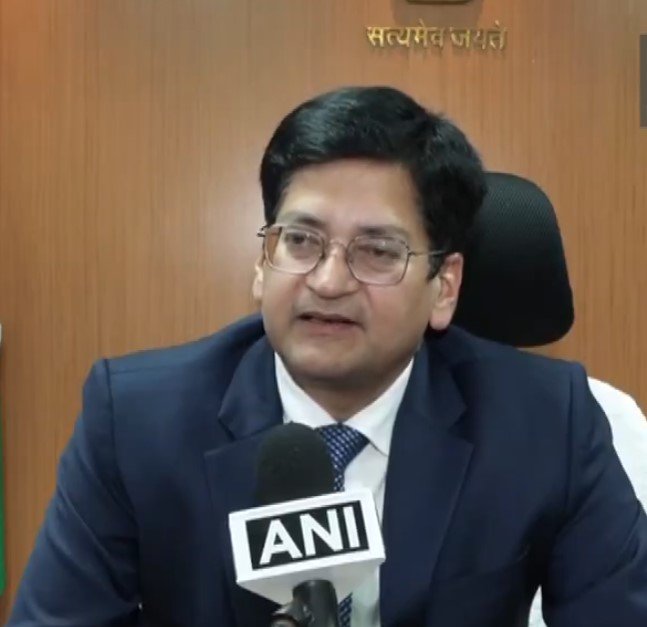
New Delhi, February 20:
The next phase of the India Semiconductor Mission (ISM 2.0) will prioritise ecosystem development, skilling, capital access, and research & development (R&D) to position India as a global semiconductor powerhouse.
In an exclusive interaction, Amitesh Kumar Sinha, Additional Secretary at MeitY and CEO of the India Semiconductor Mission, outlined the roadmap for strengthening India’s semiconductor ecosystem.
ISM 2.0 Focus Areas
Sinha said ISM 2.0 will address all critical gaps simultaneously.
1. Ecosystem Development
Building a complete semiconductor ecosystem remains a top priority. This includes design, fabrication, packaging, and testing capabilities across the value chain.
2. Skilling and Talent Development
The semiconductor industry demands highly specialised professionals, including engineers, researchers, and PhD scholars.
Sinha emphasised that skilling will play a central role in areas such as chip design, manufacturing, packaging, and technology innovation.
3. Capital Support and Incentives
Semiconductor manufacturing requires massive capital investment. Sinha noted that the government continues to provide incentives and financial support to encourage domestic production.
He added that several state governments have introduced semiconductor-specific policies to attract investment.
Globally, advanced semiconductor nations have offered sustained incentives for decades. India aims to follow a similar long-term approach under ISM 2.0.
4. Venture Capital and Deep Tech Funding
Sinha highlighted the need to strengthen venture capital participation in semiconductor startups. He said interest in deep tech investments is growing, and India is witnessing increasing funding momentum in this sector.
5. Research & Development (R&D)
Developing cutting-edge semiconductor technology requires strong R&D capabilities. ISM 2.0 will place significant emphasis on enhancing India’s research infrastructure.
AI and Semiconductor Synergy
Speaking about the India AI Impact Summit 2026, Sinha said the event demonstrated strong global confidence in India’s technological capabilities.
Under the India AI Mission, startups receive support through computing infrastructure, datasets, and financial assistance.
India’s strong software ecosystem provides a competitive advantage in artificial intelligence development. The National Supercomputing Mission further strengthens high-performance computing capabilities.
Indian startups are developing AI solutions across sectors such as:
- Agriculture
- Healthcare
- Traffic management
- Disaster response
- Large language models
Government agencies are also using AI for earthquake monitoring, medical research, and emergency management.
India’s Road to Semiconductor Leadership
Sinha expressed confidence that with continued support under ISM 2.0 and the India AI Mission, India can emerge as a global leader in semiconductor manufacturing and AI innovation.
He stressed that scale, global market access, and sustained policy support will determine long-term success.
As global supply chains diversify and demand for chips rises, India aims to build a resilient, competitive, and innovation-driven semiconductor ecosystem.
About The Author