
Cabinet Approves Extension of Jal Jeevan Mission Till December 2028 with ₹8.69 Lakh Crore Outlay
 admin
admin 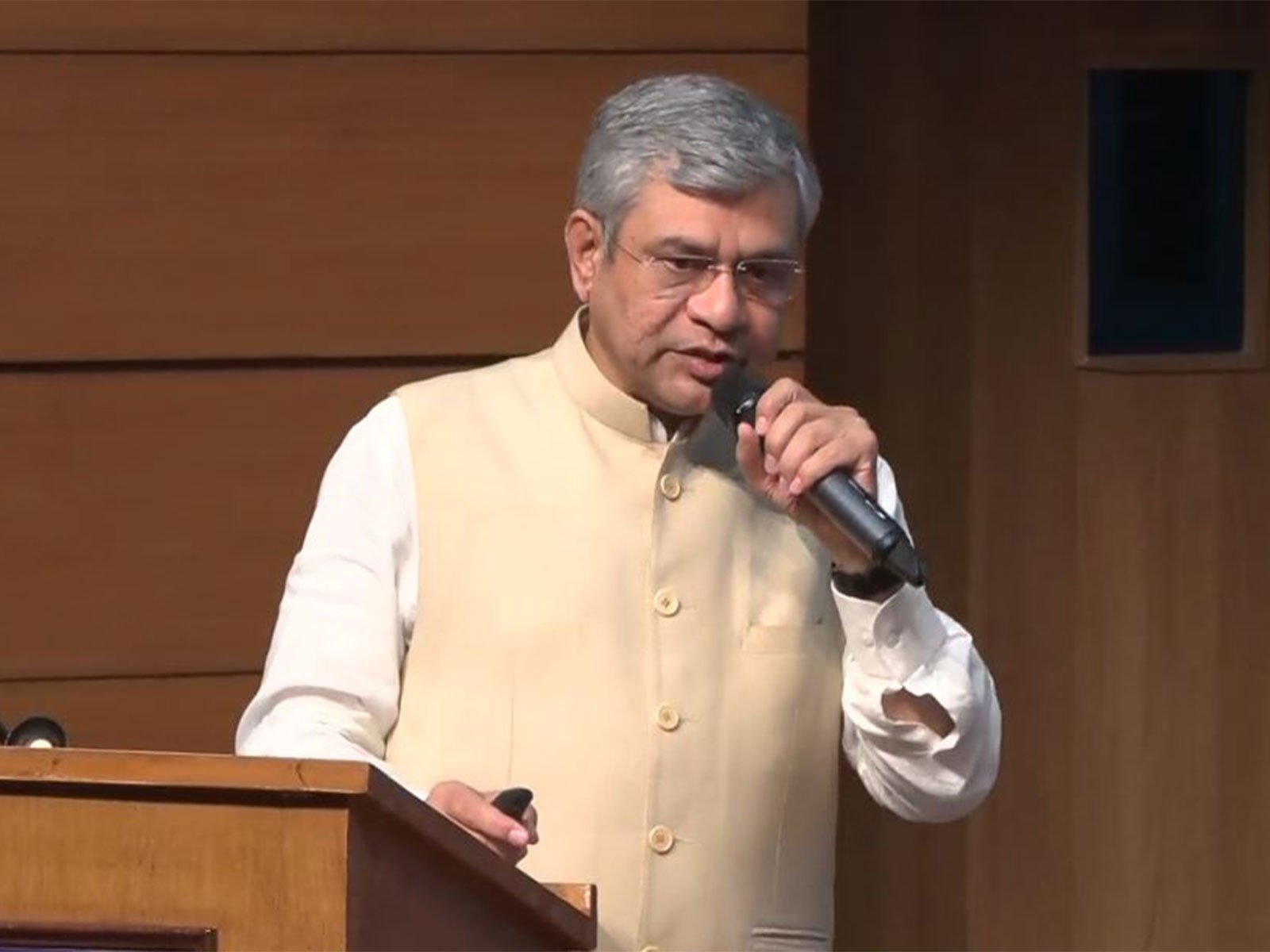
New Delhi, March 10: The Union Cabinet has approved the extension of the Jal Jeevan Mission (JJM) until December 2028 with an enhanced total outlay of ₹8.69 lakh crore to expand rural drinking water supply across India.
Union Minister for Information and Broadcasting Ashwini Vaishnaw announced the decision while briefing reporters after the Cabinet meeting. The government also approved the proposal from the Ministry of Jal Shakti to restructure and reorient the mission. The focus will now shift from infrastructure creation to efficient service delivery and sustainable rural water management.
Increased Budget for Jal Jeevan Mission
The Cabinet approved a major increase in funding for the mission. The total outlay has been raised to ₹8.69 lakh crore, with central assistance of ₹3.59 lakh crore.
Earlier, the government had approved ₹2.08 lakh crore central support in 2019–20. The new decision adds ₹1.51 lakh crore in additional central funding.
Officials said the increased investment will help strengthen rural water infrastructure and ensure reliable drinking water supply in villages.
Sujalam Bharat Digital Framework
The government will introduce a national digital platform called “Sujalam Bharat” to improve monitoring and transparency.
Under this system:
- Every village will receive a unique Sujal Gaon or Service Area ID
- The entire drinking water supply system will be digitally mapped from source to tap
This digital framework will help authorities track water supply systems and improve efficiency in rural areas.
Role of Gram Panchayats in Water Management
The government will also involve Gram Panchayats and Village Water and Sanitation Committees (VWSCs) in implementing the scheme.
Through the “Jal Arpan” initiative, these local bodies will participate in commissioning and handing over water supply projects.
A Gram Panchayat will declare itself “Har Ghar Jal” only after confirming that proper operation and maintenance systems exist within the village.
Officials said community participation will ensure long-term sustainability of rural water supply systems.
Jal Utsav for Community Participation
The mission will also promote “Jal Utsav”, an annual community event focused on water system maintenance and review.
This initiative aims to strengthen local ownership of water resources and encourage communities to take responsibility for maintaining drinking water infrastructure.
Officials believe that community participation will improve operational efficiency and water source sustainability.
Significant Progress Under Jal Jeevan Mission
The government launched the Jal Jeevan Mission in 2019 to provide tap water connections to rural households.
At that time, only 3.23 crore rural households (17%) had tap water access.
Since then, the mission has achieved significant progress:
- 12.56 crore additional households have received tap water connections
- Out of 19.36 crore rural households, around 15.80 crore (81.61%) now have tap water supply
The government aims to provide tap water connections to all rural households by December 2028.
Positive Social and Economic Impact
Several national and international institutions have highlighted the positive impact of the mission.
According to SBI Research, the scheme has freed around 9 crore women from the daily task of fetching water.
The World Health Organization (WHO) estimated that the mission could:
- Save 5.5 crore hours of women’s time every day
- Prevent around 400,000 diarrheal deaths
- Save 14 million disability-adjusted life years (DALYs)
Nobel Laureate Prof. Michael Kremer estimated that improved drinking water access could reduce under-five mortality by up to 30 percent, saving nearly 1.36 lakh children annually.
Employment Generation and Rural Development
Studies by IIM Bangalore and the International Labour Organization (ILO) show that the Jal Jeevan Mission has also created major employment opportunities.
The program has the potential to generate:
- 59.9 lakh direct person-years of employment
- 2.2 crore indirect employment opportunities
Officials said the mission has strengthened rural livelihoods while improving health, sanitation, and living standards.
Jal Jeevan Mission 2.0 Vision
The government plans to launch Jal Jeevan Mission 2.0 with a stronger focus on sustainability and citizen-centric service delivery.
The program aims to provide 24×7 drinking water supply in rural areas and support the long-term vision of Viksit Bharat 2047.
The government will also sign separate Memorandums of Understanding (MoUs) with States and Union Territories to ensure timely implementation.
Officials said the mission will follow a “Whole of Government” approach, encouraging coordination among various departments for long-term water infrastructure maintenance.
About The Author