
 admin
admin 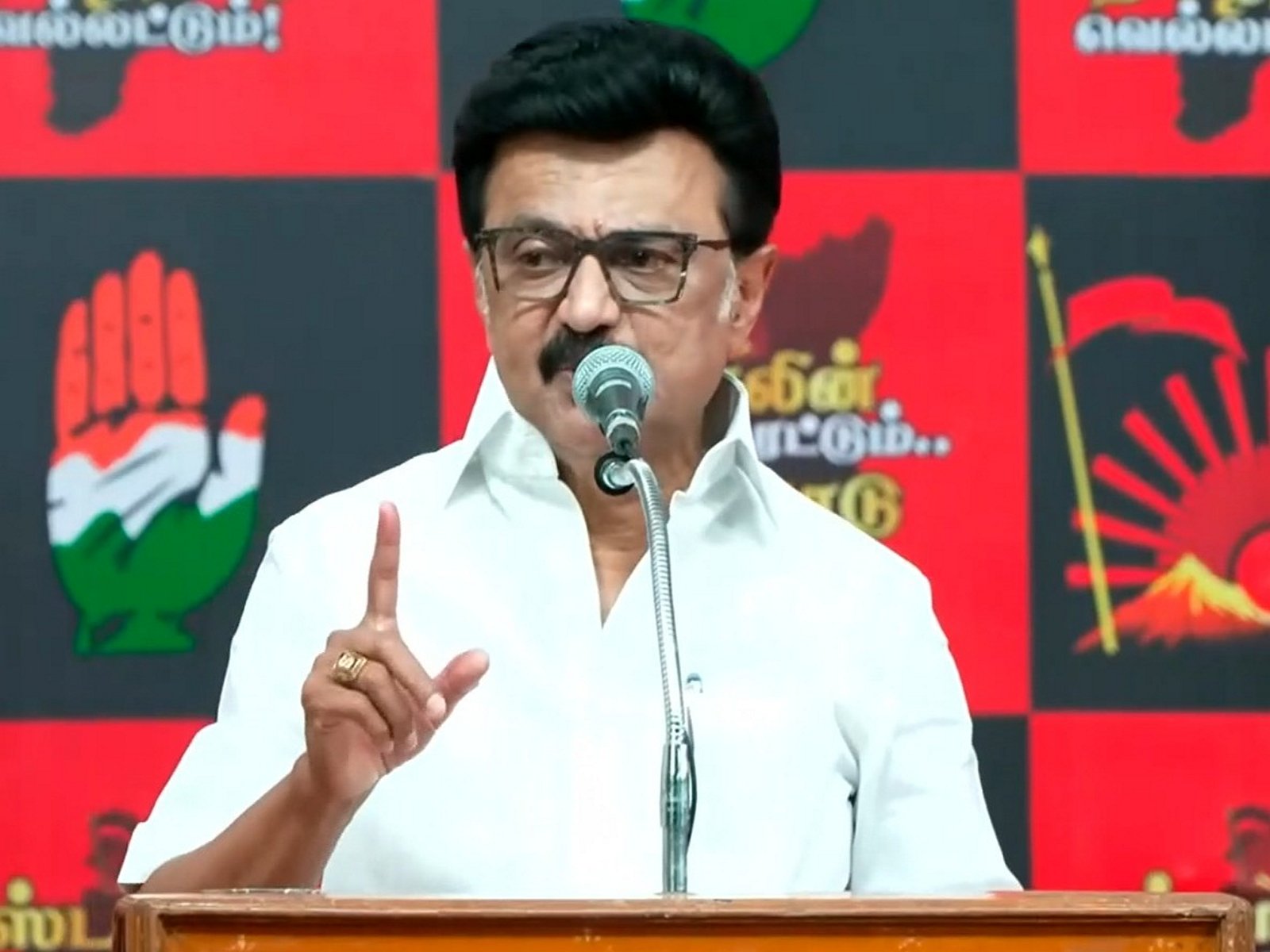
Chennai (Tamil Nadu), April 4, 2026:
Tamil Nadu Chief Minister M. K. Stalin on Saturday criticised the new curriculum framework introduced by the Central Board of Secondary Education (CBSE), calling it a “calculated attempt at linguistic imposition” that favours Hindi over regional languages.
Strong Objection to Language Policy
Stalin said the proposed three-language policy places an unnecessary burden on students and teachers. He argued that the move undermines federal principles and ignores India’s linguistic diversity. According to him, the policy marginalises non-Hindi-speaking states and creates an uneven system.
Concerns Over Hindi Imposition
The Chief Minister stated that the framework indirectly promotes Hindi in southern states. He said the policy raises serious concerns about fairness and equality. In his view, it does not provide balanced support for all Indian languages.
Questions on Equal Implementation
Stalin questioned whether students in Hindi-speaking states would be required to learn southern languages. He highlighted the lack of clarity on this issue. He also criticised the Centre for not making Tamil compulsory in Kendriya Vidyalaya schools, calling it inconsistent.
Appeal to Protect Federal Values
The Tamil Nadu CM urged the Union government to respect state rights and protect linguistic identity. He warned that such policies could harm India’s diversity. He also called on the All India Anna Dravida Munnetra Kazhagam (AIADMK) and its allies to take a clear stand.
Policy Implementation Timeline
The CBSE will introduce the three-language policy in phases from the 2026–27 academic year. The rollout will begin with Class 6, where students will learn an additional language as part of the curriculum.
Ongoing Political Debate
The issue has intensified political debate in Tamil Nadu. Stalin’s remarks reflect growing concerns over language, education, and federal balance in the country.
About The Author