
 admin
admin 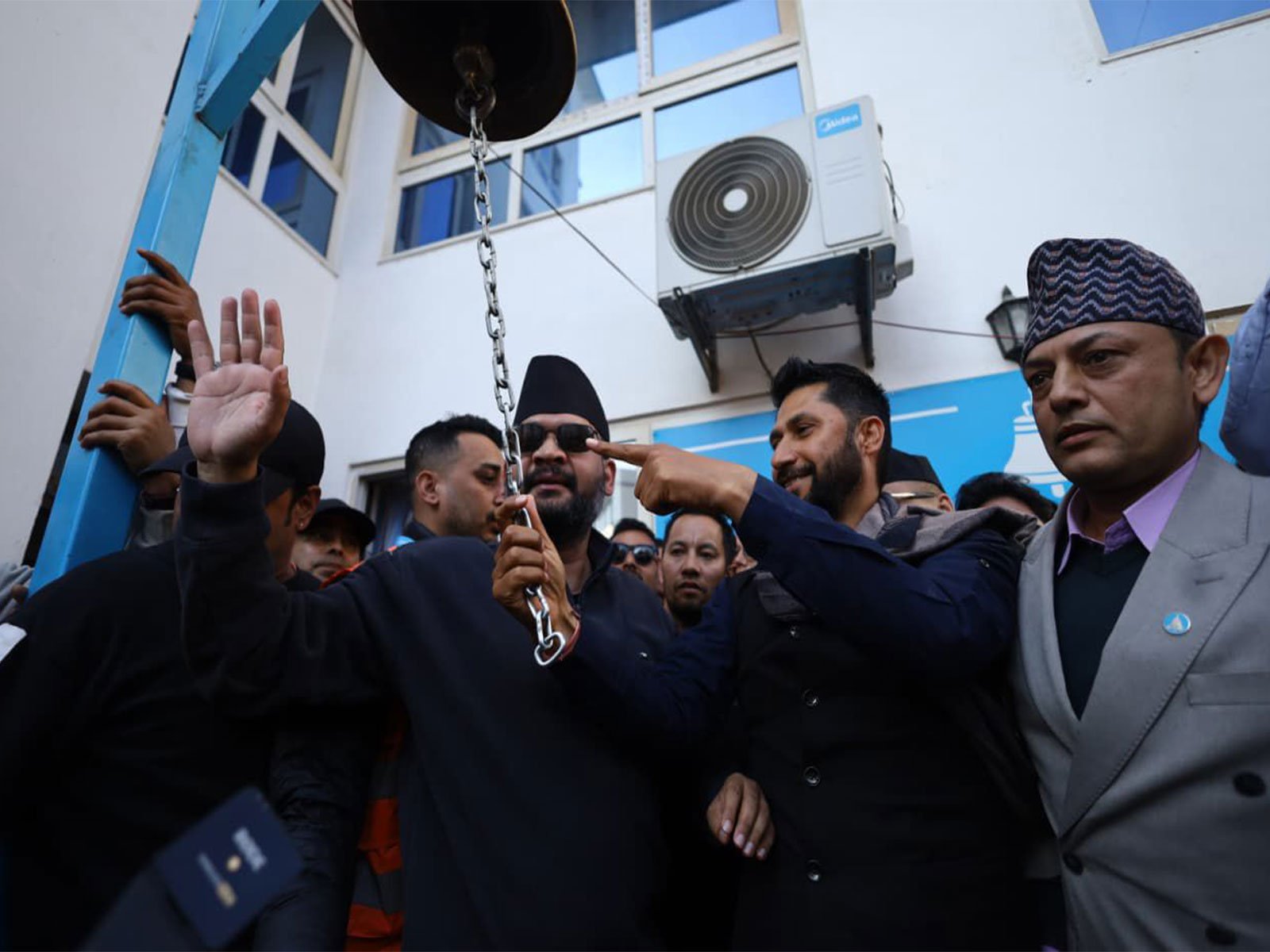
Kathmandu, February 26, 2026: Nepal’s upcoming parliamentary elections are witnessing a major transformation as political parties adopt a hybrid election campaign model, combining traditional grassroots outreach with aggressive digital and social media strategies.
The shift marks a significant change in Nepal’s political landscape following the Gen Z-led uprising of 2025, which accelerated digital engagement among voters across the Himalayan nation.
Traditional Campaign Businesses Witness Decline
Printing businesses that once thrived during election seasons are experiencing reduced demand this year. Campaign materials such as banners, flags, caps, and posters — once central to political outreach — have seen a noticeable drop in orders.
Bijay Kumar Karki, a printing entrepreneur with over four decades of experience, said election seasons earlier brought heavy workloads for printers. However, demand for campaign materials has declined sharply compared to the 2022 elections.
Screen printer Anita Chaudhary from Kathmandu’s Bagbazar area echoed similar concerns, noting that political parties now prefer digital promotion over physical campaign materials.
Rise of Digital and Social Media Campaigning
Political parties and candidates are increasingly shifting voter outreach efforts from door-to-door campaigning to social media platforms. Paid digital advertisements now play a crucial role in influencing voters.
According to Facebook’s Ad Library data, more than USD 16,453 has been spent on political and election-related advertisements in Nepal’s Bagmati Zone between November 2025 and February 2026. Other regions, including Koshi Zone, reported significantly lower spending.
Candidates are hiring professional social media managers, influencers, and digital marketing teams to strengthen online presence ahead of the March 5 parliamentary elections.
Industry experts say professional campaign management fees now start from nearly half-a-million Nepali rupees per candidate.
Election Commission Encourages Digital Ethics
The transition aligns with updated election guidelines introduced by the Election Commission of Nepal, which restrict excessive use of campaign materials such as large flags and printed publicity items.
The electoral body has also partnered with global technology companies like Meta and TikTok to improve transparency in political advertising and curb misinformation, hate speech, and false content online.
Authorities are actively monitoring digital campaigns using specialised software supported by international organisations including UNDP and The Asia Foundation.
Growing Influence of Technology on Voters
Experts believe rising internet penetration and increased social media consumption have reshaped Nepal’s electoral behaviour. Voters are no longer influenced solely by geographical campaigning but also by digital engagement and online narratives.
Dr. Rishikesh Dahal from Tribhuvan University stated that digital platforms now dominate political communication due to changing media consumption habits and policy encouragement toward online campaigning.
Meta’s advertising data shows that since 2022, more than 33,000 political advertisements have been published in Nepal, generating millions of online views across Facebook, Instagram, Messenger, and partner platforms.
Hybrid Model Defines Nepal’s 2026 Elections
While traditional rallies and grassroots mobilisation continue, digital outreach has become equally important. Political parties such as CPN-UML and Nepali Congress have strengthened dedicated online campaign networks to reach younger voters.
Observers note that the success of independent leaders promoted heavily through social media during previous elections has encouraged parties to prioritise digital strategies.
With strict campaign spending limits set at NPR 2.5 million per parliamentary candidate, authorities are closely tracking both offline and online election activities.
As Nepal heads toward polling day, experts believe the hybrid campaigning model reflects the country’s evolving democracy, where technology and traditional political engagement now operate side by side.
About The Author