
 admin
admin 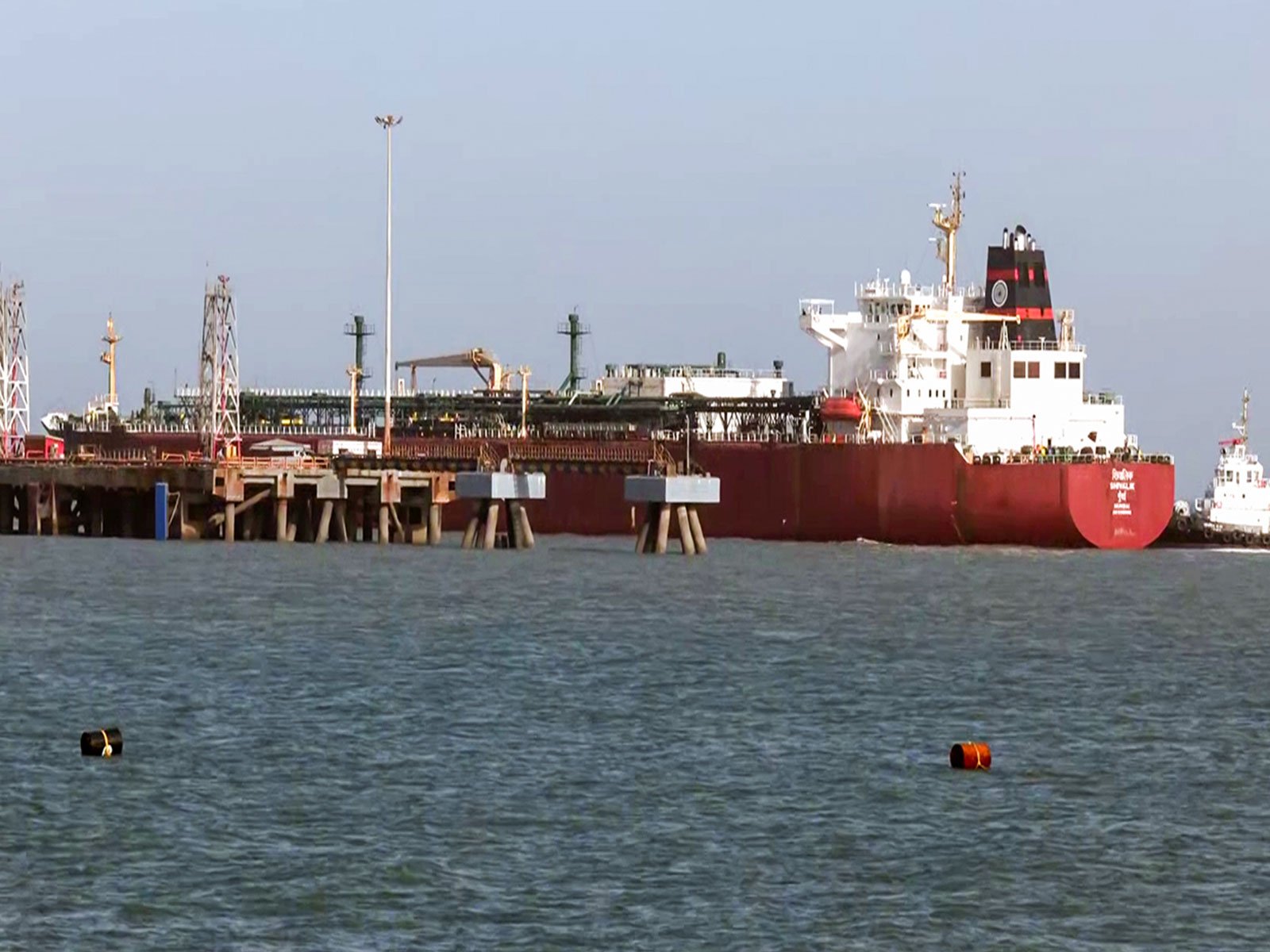
Global Energy Markets Shake as West Asia Conflict Disrupts Supply
London, March 19: Global energy markets witnessed a sharp surge after escalating tensions in West Asia disrupted key supply routes. Crude oil prices climbed above $114 per barrel, while gas prices in Europe jumped nearly 30%.
The spike follows attacks on energy infrastructure, including Iran’s South Pars Gas Field and Qatar’s LNG facilities.
Missile Attacks Hit Qatar’s Energy Hub
QatarEnergy confirmed that missile strikes targeted Ras Laffan Industrial City, one of the world’s largest LNG hubs.
The attack caused fires and major damage to several LNG facilities. Authorities have since brought the fires under control. However, concerns over production disruptions remain high.
Crude Oil Prices Cross $114
International benchmark Brent Crude rose by more than 6% to reach $114.13 per barrel.
Analysts link the surge to fears of supply shortages and blocked shipping routes, especially through the Strait of Hormuz, which handles nearly 20% of global oil supply.
Europe Gas Prices Spike 30%
Natural gas prices in Europe saw a sharp increase. The Dutch TTF benchmark surged nearly 30% to 70.8 euros per megawatt-hour.
At the same time, UK gas prices rose over 20%, reflecting growing panic in energy markets.
Risk of Global Supply Crisis
Experts warn that the situation could worsen if the conflict spreads further.
Energy analyst Tom Kloza said that any attack beyond the Gulf region could trigger extreme market reactions. He warned that prices could rise sharply if global energy infrastructure becomes a target.
Another expert, Dan Pickering, stated that markets are shifting from a supply chain issue to a direct supply crisis.
Qatar’s Role in Global LNG Supply
Qatar is the world’s second-largest LNG exporter. It contributes nearly 20% of global LNG shipments.
Any disruption in its production or exports could impact global energy availability and increase prices further.
Conflict Driving Market Volatility
The ongoing conflict between Iran and Israel has intensified risks in global markets. Attacks on energy infrastructure have added uncertainty to production and transportation.
As a result, markets are reacting with high volatility and rising prices.
The sharp rise in oil and gas prices reflects growing fears of a global energy crisis. Continued escalation in the region could further disrupt supply and push prices even higher.
About The Author