admin
admin 
New Delhi, April 7, 2026:
The Reserve Bank of India (RBI) is likely to revise its inflation projections upward while flagging downside risks to GDP growth in its upcoming monetary policy review, according to a report by PhillipCapital.
Inflation Projections Likely to Rise
The report highlighted that the current inflation projection for the first half of FY2026 (April–September) stands at 4.1%, but is expected to be revised upward.
- Earlier RBI estimates:
- Q1 (April–June): 4%
- Q2 (July–September): 4.2%
Experts believe that:
- A slight increase to 4.3%–4.4% may have limited market impact
- A sharper rise closer to 5% could significantly affect markets
GDP Growth Faces Downside Risks
While inflation is expected to rise, the report also warned of downside risks to India’s GDP growth.
- Projected GDP growth: 7.1%
- Risks driven by:
- Global geopolitical tensions
- Impact on trade and investments
- Rising inflation pressures
Global Factors Driving Concerns
The report pointed out that external factors are playing a major role in shaping economic outlook:
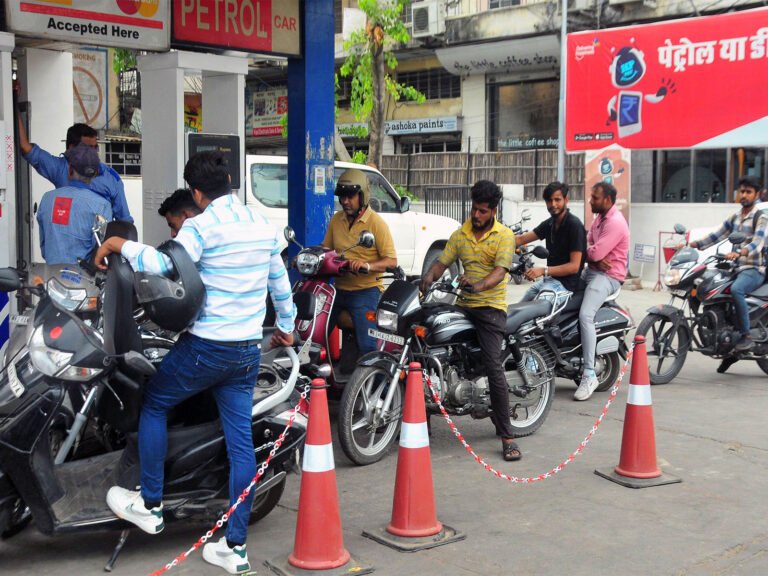
- Rising crude oil prices
- Currency fluctuations (rupee pressure)
- Ongoing tensions in West Asia
These factors could increase inflation while slowing economic growth.
Key Indicators to Watch
The RBI’s upcoming policy decision will depend heavily on:
- Crude oil price assumptions
- Exchange rate movements
- Global economic conditions
Any major shift in these indicators could influence both inflation and growth projections.
Why This Policy Matters
- Sets direction for interest rates and borrowing costs
- Impacts stock market and investor sentiment
- Influences business investments and economic activity
- Determines inflation control strategy
With rising global uncertainties and economic pressures, the RBI’s upcoming policy review holds significant importance. A balance between controlling inflation and supporting growth will be crucial as India navigates a challenging global environment.
About The Author