
 admin
admin 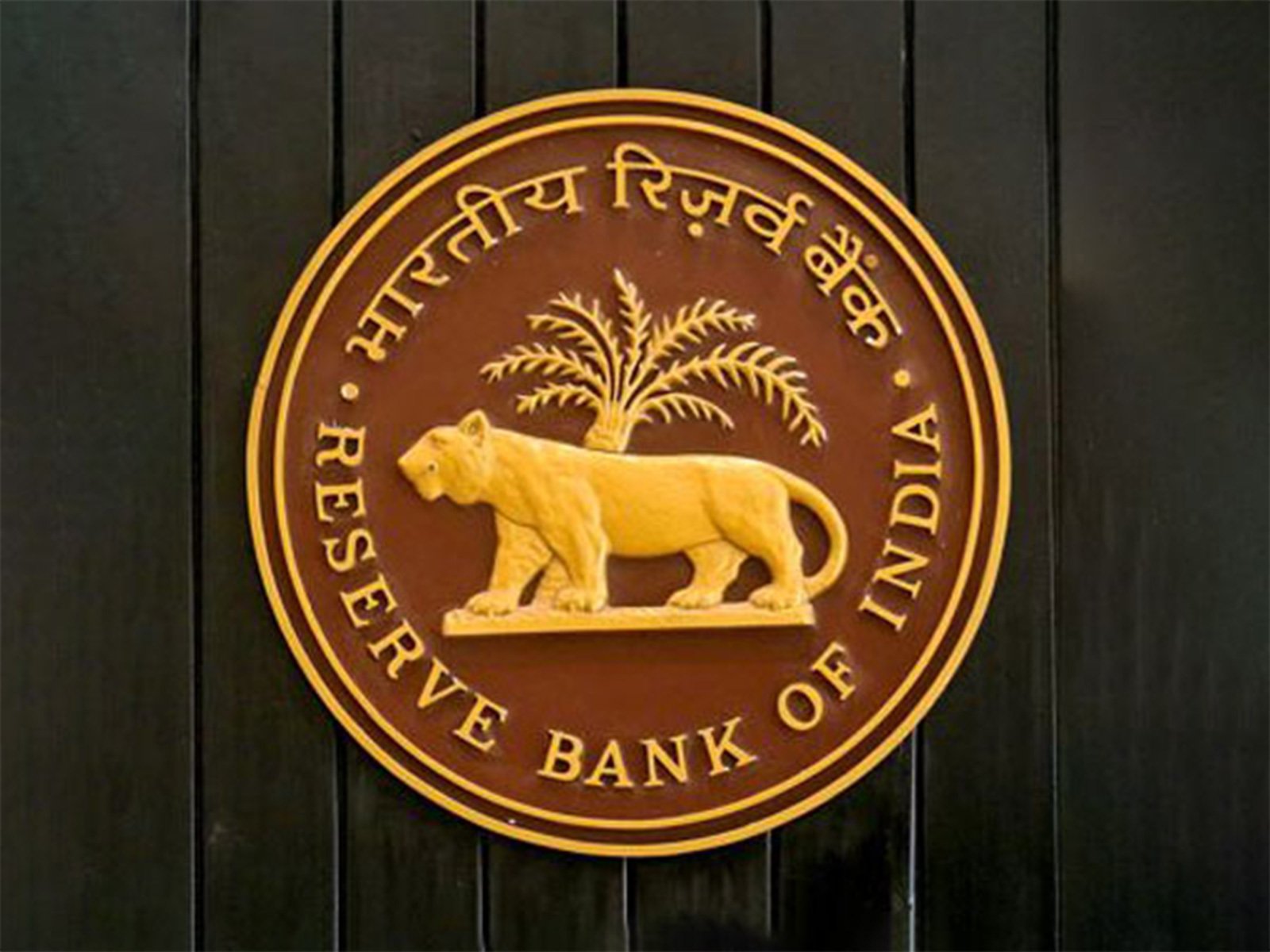
New Delhi [India], April 3:
State governments and Union Territories across India will raise a total of Rs 2.54 lakh crore through market borrowings in the first quarter of the 2026-27 financial year. According to an indicative calendar released by the Reserve Bank of India (RBI) on Thursday, these borrowings will take place between April and June 2026. This plan aims to help states meet their financial requirements.
RBI to Manage Borrowings Effectively
The RBI will act as the debt manager for states. It will schedule regular auctions throughout the quarter to ensure smooth capital raising. This structured approach should help states secure the funds they need in an organized manner.
Introduction of the Benchmark Issuance Strategy (BIS)
Furthermore, the RBI is introducing the Benchmark Issuance Strategy (BIS) on a pilot basis this quarter. Nine states, including Andhra Pradesh, Bihar, Chhattisgarh, Kerala, Madhya Pradesh, Maharashtra, Rajasthan, Telangana, and Uttar Pradesh, will take part in this program. Together, these states will borrow a total of Rs 1.53 lakh crore under the BIS framework.
Goals of the Benchmark Issuance Strategy (BIS)
The primary goal of BIS is to enhance transparency in the borrowing process. This strategy aims to provide greater clarity for investors, thereby boosting their confidence. Under this new plan, states will issue securities in specific tenor buckets according to a pre-announced schedule. As a result, investors will have more structured and predictable investment opportunities.
Traditional Borrowing Methods for Other States
Meanwhile, other states and Union Territories are set to raise Rs 1 lakh crore through traditional market borrowing methods. While the BIS pilot program will account for a significant portion of the borrowings, the traditional method remains essential for states not involved in the BIS pilot.
Future Expansion of the BIS Program
The RBI has stated that it expects other states to adopt the BIS framework as the program moves forward. This transition will contribute to long-term stability in the state borrowing market.
Flexibility in the Borrowing Process
Importantly, the RBI maintains flexibility in its approach. It can modify auction dates and borrowing amounts if market conditions require such adjustments. By doing so, the RBI ensures that the borrowing process does not create any unnecessary volatility in the broader financial system.
Upcoming Announcements
Finally, the RBI will announce the actual amounts of borrowings and the list of participating states and UTs two to three days before each auction. This ensures transparency and provides stakeholders with enough time to prepare.
About The Author