
 admin
admin 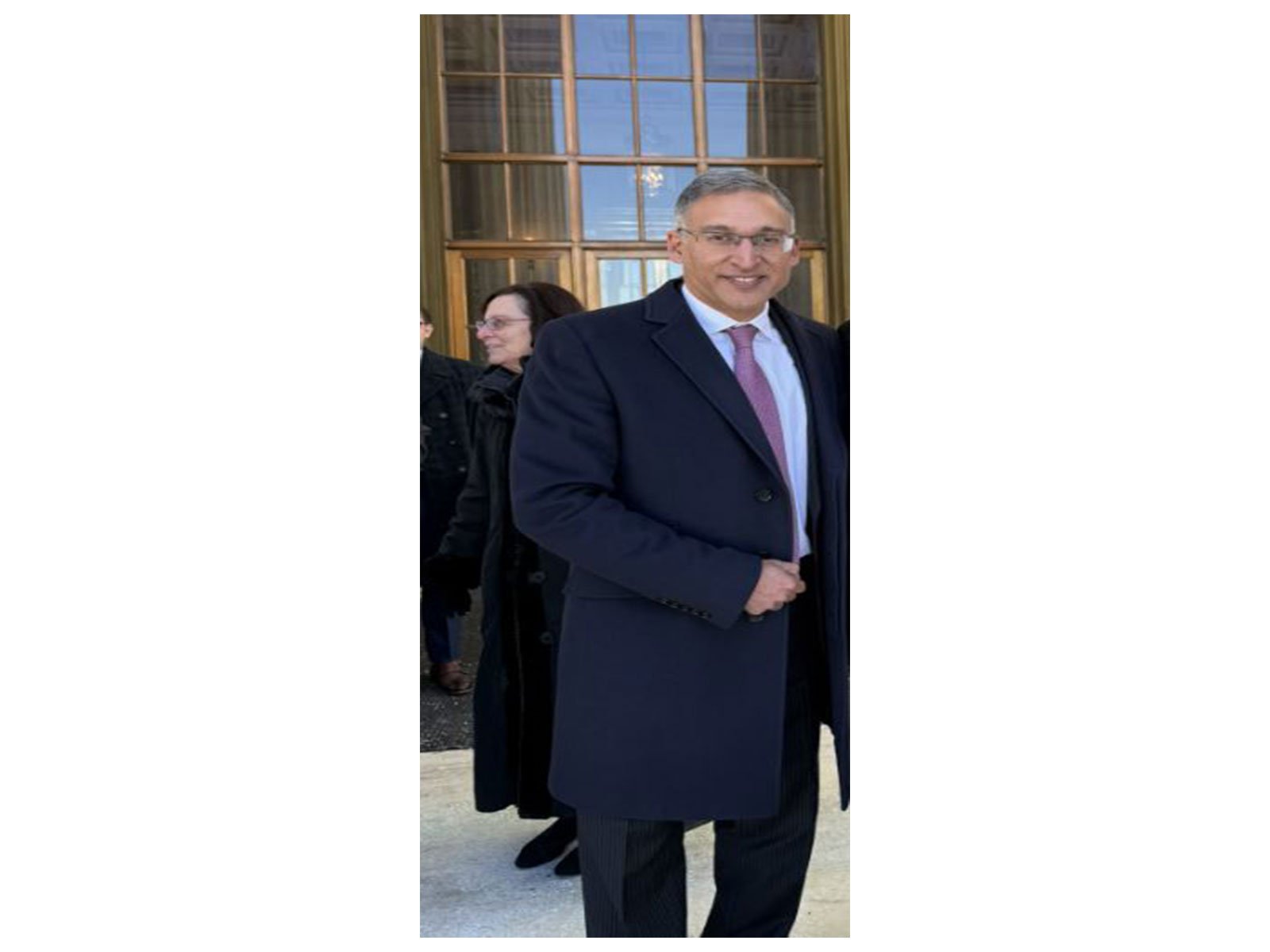
Washington DC [US], February 21, 2026:
Former Acting US Solicitor General Neal Katyal welcomed the Supreme Court’s ruling striking down executive-imposed tariffs. He described the decision as a clear affirmation of constitutional limits on presidential taxing authority.
During arguments before the Court, Katyal challenged the legality of the tariffs. Following the verdict, he called the outcome a major victory for constitutional governance and separation of powers.
Supreme Court Reinforces Congress’s Authority
In a statement posted on X, Katyal said the ruling delivered a strong message about constitutional balance. According to him, presidents hold significant authority, but the Constitution remains supreme.
He stressed that only Congress can impose taxes on Americans. Furthermore, he noted that the Court granted the petitioners all the relief they requested.
At the center of the case was a key constitutional question. Could a president impose taxes without congressional approval? By siding with the challengers, the Court reaffirmed that Article I grants taxing power exclusively to Congress.
Recognition for Legal Team and Plaintiffs
Katyal expressed gratitude to the Liberty Justice Center for backing the case. He specifically praised chair Sara Albrecht for leading the challenge.
Five small business owners also joined the lawsuit. Their participation, Katyal said, helped secure relief for thousands of businesses and millions of consumers.
Beyond that, he thanked his legal team at Milbank LLP. Colleen Roh Sinzdak and Sami Ilagan worked closely with him to develop the winning arguments.
Throughout his remarks, Katyal emphasised the institutional importance of the ruling. Rather than targeting a single administration, the case focused on preserving constitutional boundaries.
6–3 Verdict Carries Broader Implications
In an interview with CNN’s Kaitlan Collins, Katyal highlighted the 6–3 majority decision. Notably, two of President Trump’s three appointees joined the majority opinion.
Such outcomes rarely occur in cases involving executive authority. For that reason, Katyal described the decision as significant for constitutional law.
The ruling directly addresses tariffs imposed under executive power. More broadly, it reinforces Congress’s exclusive authority over taxation matters.
Legal observers believe the judgment could shape future trade and taxation disputes. As a result, the decision may limit attempts to expand presidential power in economic policy.
Katyal currently teaches at Georgetown University Law Center. In addition, he serves as a partner at Milbank LLP and regularly argues cases before the Supreme Court.
About The Author