
“Tuesday, 8:00 P.M. Eastern Time”: Trump extends deadline after ‘open the Strait’ warning to Iran
 admin
admin 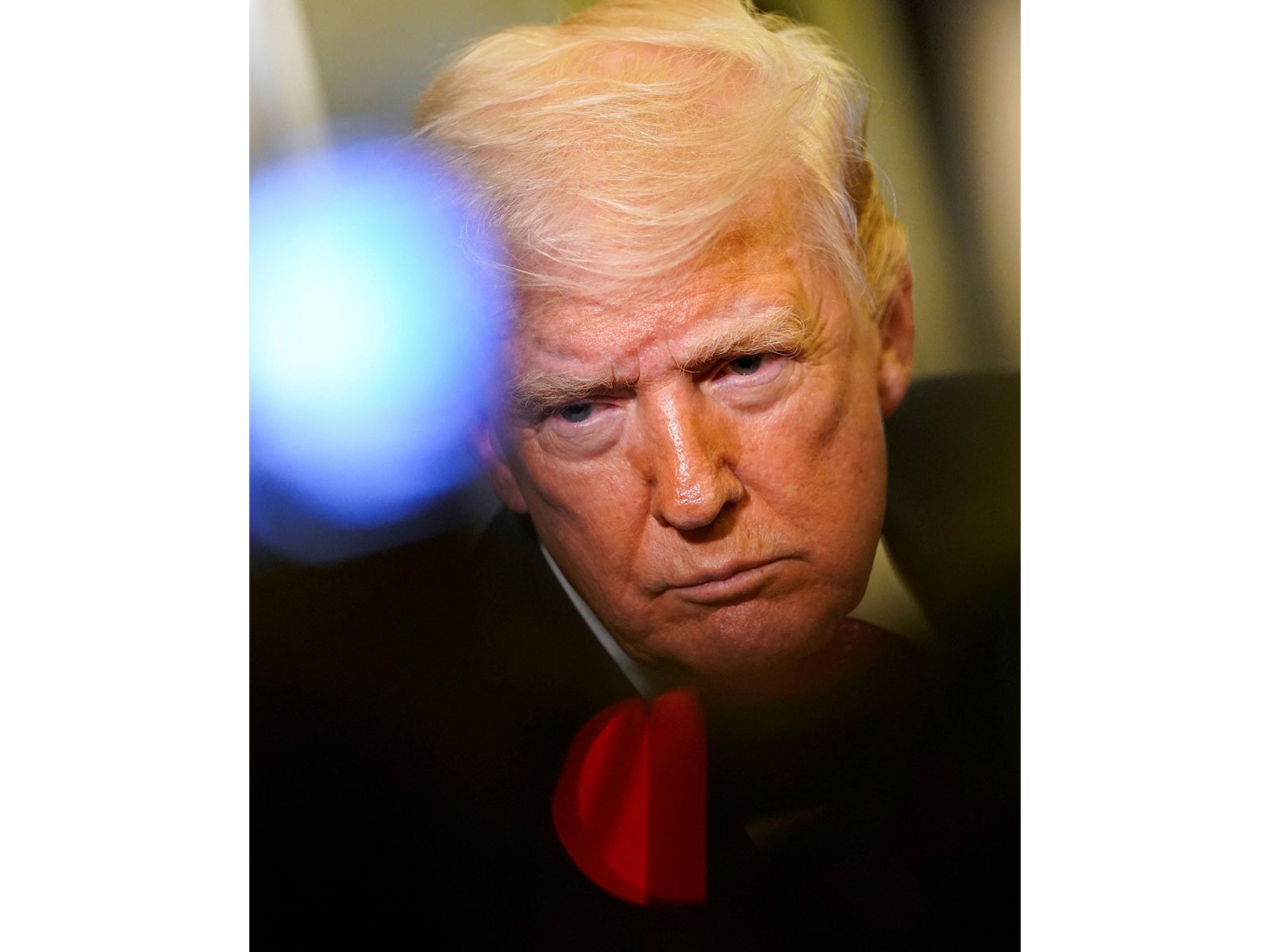
Rising US-Iran Tensions Over Strait of Hormuz
Tensions between the United States and Iran have intensified after US President Donald Trump extended a critical deadline for Tehran to reopen the strategically vital Strait of Hormuz. The waterway, crucial for global oil transportation, remains at the center of escalating geopolitical friction.
In a post on Truth Social, Trump declared, “Tuesday, 8:00 P.M. Eastern Time!”, indicating a revised timeline for Iran to respond.
Strong Warning to Tehran
Trump issued a strongly worded warning directed at Tehran, demanding immediate action. He warned that failure to comply could lead to devastating consequences targeting Iran’s infrastructure, including power plants and bridges.
The President stated that Tuesday would mark decisive action if Iran does not “make a deal” or reopen the Strait. His remarks highlight a significant escalation in rhetoric, raising global concerns over potential conflict.
Repeated Deadline Extensions
Initially, the US had given Iran a 48-hour deadline to reopen the Strait of Hormuz. However, this deadline has been extended multiple times, reflecting ongoing diplomatic negotiations and uncertainty over the situation.
Despite the aggressive tone, Trump indicated in a recent interview that there remains a possibility of reaching a deal before the deadline. He emphasized that discussions are still underway, suggesting diplomacy has not been completely ruled out.
Concerns Over Civilian Impact
Addressing concerns about civilian casualties, Trump stated that Iranian citizens may support US actions due to dissatisfaction with their government. However, such claims have sparked debate among international observers and policymakers.
Strategic Importance of the Strait of Hormuz
The Strait of Hormuz is one of the world’s most critical oil transit chokepoints, with a significant portion of global petroleum passing through it daily. Any disruption in this region could have far-reaching economic consequences, including rising oil prices and global market instability.
Recent Developments
Trump also claimed that a major bridge in Iran had already been struck, further intensifying fears of military escalation. He reiterated his call for Iran to negotiate before “it is too late,” warning of further actions if demands are not met.
As the deadline approaches, the situation between the United States and Iran remains highly volatile. While diplomatic channels are still open, the increasingly aggressive rhetoric signals a fragile moment in international relations.
Global leaders and markets are closely watching developments, as any escalation could significantly impact regional stability and the global economy.
About The Author