
 admin
admin 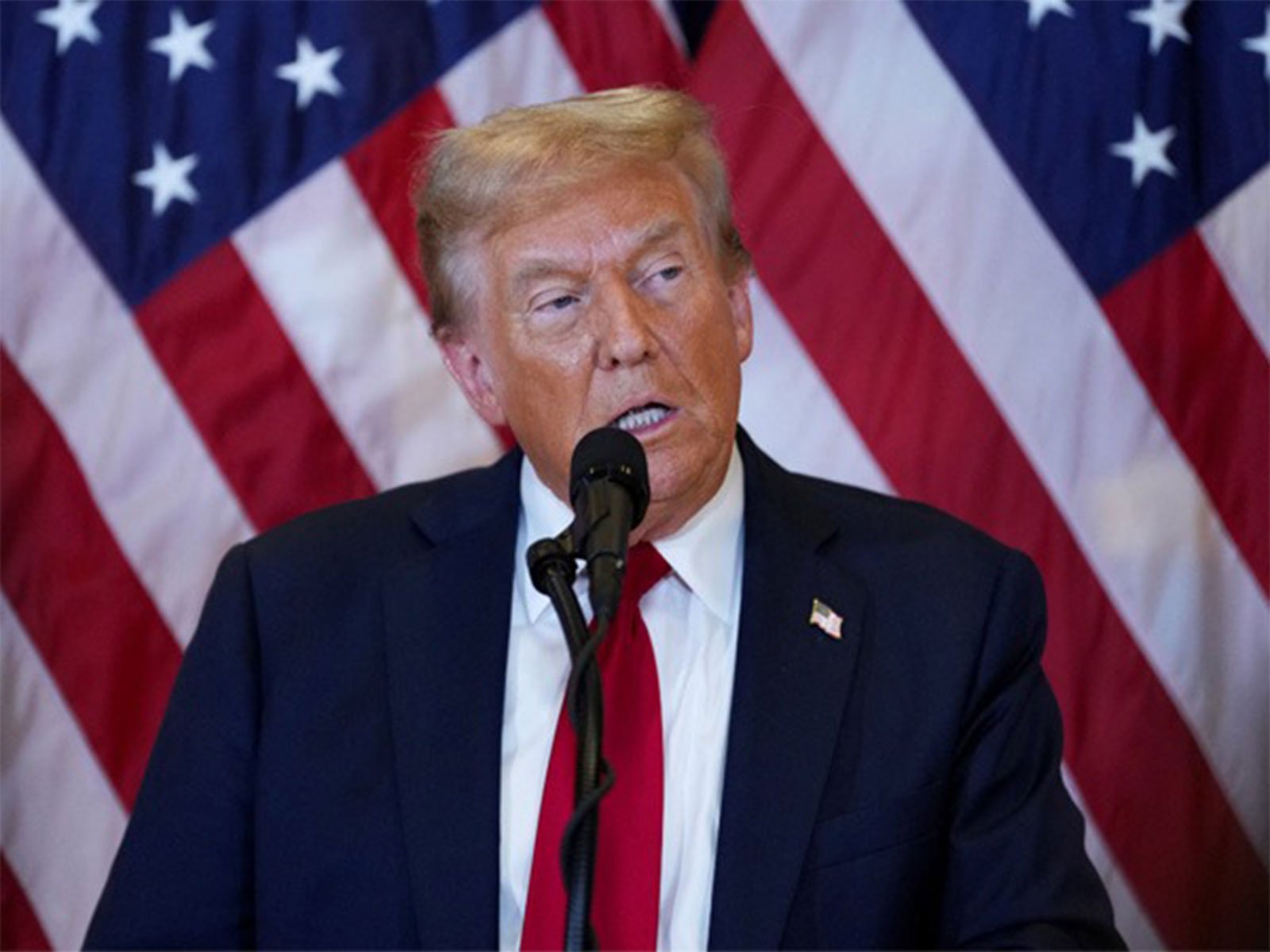
US Considers Ending Military Operations in Iran
Washington DC, March 21, 2026:
US President Donald Trump has indicated that the United States may soon begin winding down its ongoing military operations in Iran after claiming significant progress under Operation Epic Fury.
In a statement posted on Truth Social, Trump said the US is “very close” to achieving its military objectives, which include weakening Iran’s missile systems, eliminating its military infrastructure, and preventing nuclear development.
Key Objectives of Operation Epic Fury
According to Trump, the US military campaign focused on five major goals:
- Destroying Iran’s missile capabilities and launch systems
- Targeting Iran’s defense industrial base
- Eliminating naval and air force strength
- Preventing Iran from developing nuclear weapons
- Protecting US allies including Israel, UAE, Saudi Arabia, Qatar, Bahrain, and Kuwait
Trump emphasized that safeguarding Middle East allies remains a top priority.
Thousands of Targets Hit, Major Damage Reported
The US Department of War reported that thousands of Iranian targets have been hit during Operation Epic Fury.
Key highlights include:
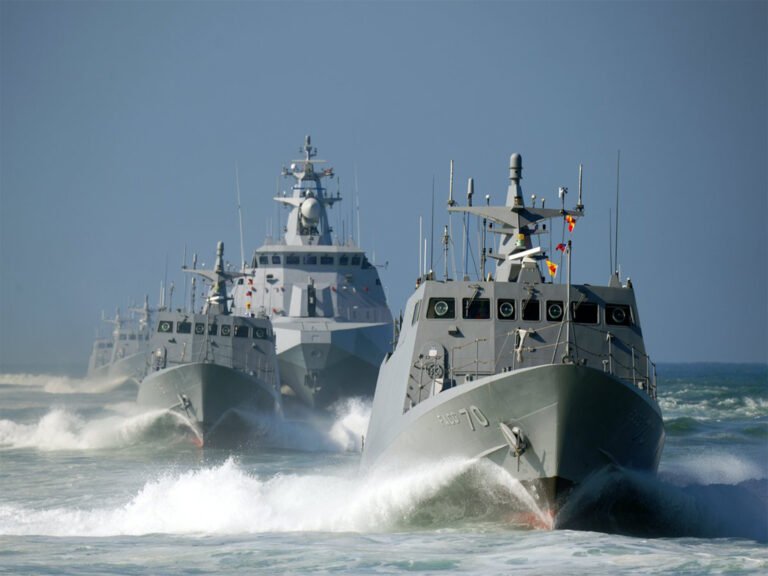
- Over 120 Iranian naval vessels damaged or destroyed
- All 11 Iranian submarines reportedly neutralized
- Strategic military sites, missile bases, and communication networks targeted
- Drone production facilities, including the Esfahan Khomeynishahr plant, struck
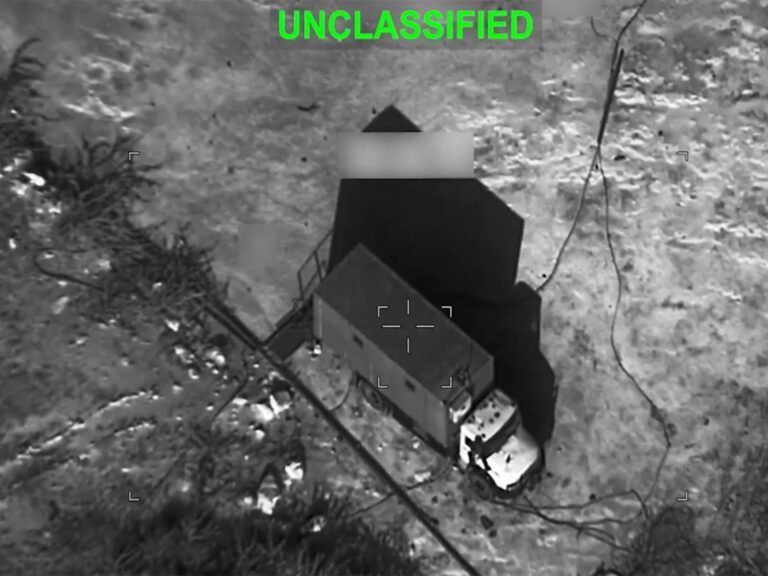
US Central Command (CENTCOM) also released visuals showing before-and-after images of key Iranian facilities.
Iran Responds with Long-Range Missile Attack
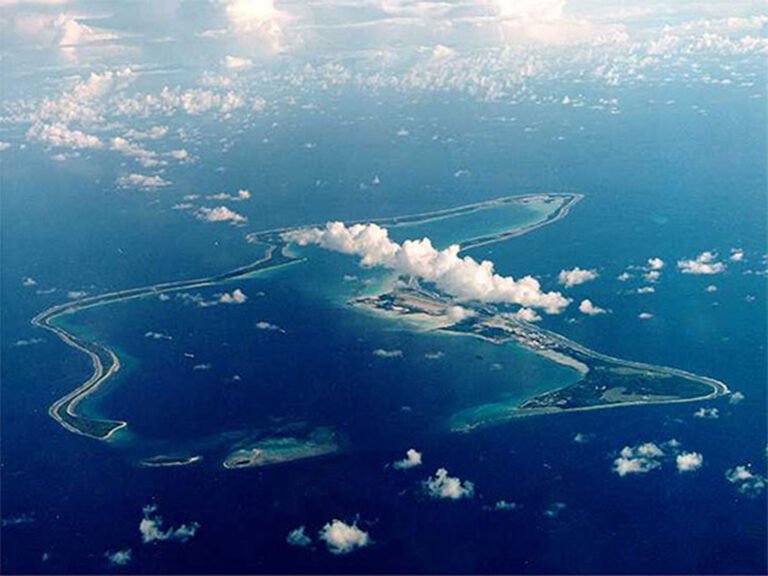
In response to US strikes, Iran reportedly launched two intermediate-range ballistic missiles targeting the US-UK military base at Diego Garcia.
- One missile failed mid-flight
- Another was intercepted by a US warship using an SM-3 interceptor (success unconfirmed)
This development is significant as Diego Garcia is located nearly 4,000 km from Iran, raising concerns about Iran’s actual missile range capabilities.
Strategic Importance of Hormuz Strait
Trump also mentioned that the Strait of Hormuz, a critical global oil route, should be managed by nations that rely on it.
He added that while the US can assist if needed, regional countries should take responsibility once Iran’s threat is neutralized.
No Ceasefire Yet, Says Trump
Despite hints of winding down operations, Trump made it clear that the US is not seeking an immediate ceasefire.
“You don’t do a ceasefire when you’re dominating the battlefield,” Trump stated.
He reiterated that dialogue is possible, but only after US objectives are fully achieved.
Casualties and Military Losses
The operation has also seen casualties. Earlier this week, US officials paid tribute to:
- 6 crew members of a KC-135 Stratotanker
- 7 additional service members
Their deaths highlight the human cost of the escalating conflict.
Global Tensions Rise in West Asia
The situation in West Asia continues to remain volatile, with rising tensions affecting global security, oil supply routes, and diplomatic relations.
Experts warn that:
- Escalation could impact global markets
- Military actions may expand beyond current regions
- Diplomatic intervention may be required soon
While the US claims major success in weakening Iran’s military capabilities, the situation remains unpredictable. Trump’s statement on winding down operations signals a possible shift—but continued missile exchanges and rising tensions suggest the conflict is far from over.
About The Author