admin
admin 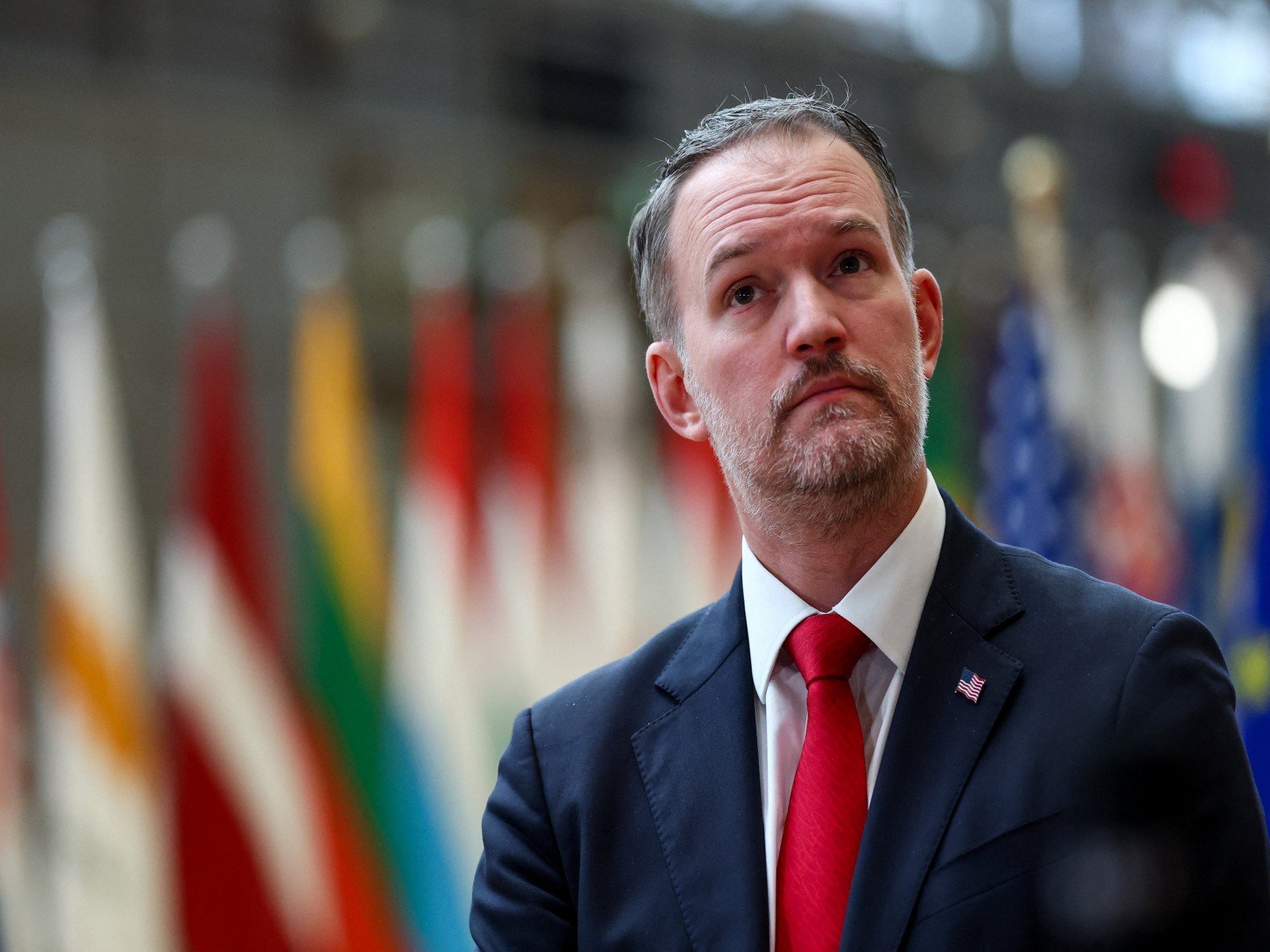
Washington DC [US], February 21, 2026:
Following the US Supreme Court’s ruling that tariffs imposed by the Trump administration under the International Economic Emergency Powers Act (IEEPA) were illegal, US Trade Representative Jamieson Greer announced alternative measures to continue the administration’s trade policy.
In an official statement, Greer said the administration will impose a temporary 10 percent surcharge on goods imported into the United States under Section 122 of the Trade Act of 1974. The surcharge will take effect on February 24 at 12:01 a.m. Eastern Standard Time and will remain in place for 150 days. Any extension beyond that period may require approval from Congress. However, the administration has exempted certain essential goods from the temporary import duty.
Section 301 Investigations to Target Unfair Trade Practices
In addition to the temporary surcharge, Greer said the administration will launch multiple investigations under Section 301 of the Trade Act of 1974. These probes will examine what he described as “unjustifiable, unreasonable, discriminatory, and burdensome” trade practices by several major trading partners.
According to the statement, the investigations may address issues such as industrial overcapacity, forced labour, pharmaceutical pricing policies, discrimination against US technology firms and digital services, digital services taxes, ocean pollution, and trade practices related to seafood, rice, and other products.
Greer noted that authorities will conduct these investigations on an accelerated timeline while complying with statutory requirements. If the investigations confirm unfair trade practices, the administration may impose tariffs as a responsive measure.
Existing Section 232 and 301 Tariffs to Continue
The administration will also maintain tariffs currently imposed under Section 232 of the Trade Expansion Act of 1963. These sector-specific tariffs range between 10 percent and 50 percent, depending on the product.
Greer further confirmed that existing Section 301 tariffs on China, which range from 7.5 percent to 100 percent depending on the product category, will remain in force. He added that these measures collectively cover approximately 30 percent of current US imports.
Additionally, ongoing Section 301 investigations involving countries such as Brazil and China will continue without interruption.
Supreme Court Verdict and IEEPA Tariffs
Greer clarified that the Supreme Court ruling specifically addressed the constitutionality of President Trump’s Reciprocal and Fentanyl Tariffs imposed under IEEPA. He defended the use of IEEPA, stating that it served as a necessary and flexible tool to address challenges such as the fentanyl crisis, immigration concerns, and trade deficits.
Despite the court’s decision, Greer said the administration remains committed to implementing the President’s broader trade agenda. He noted that officials had previously warned trading partners and businesses that alternative legal tools would be deployed if the Supreme Court restricted the President’s authority under IEEPA.
The announcement signals a continuation of the Trump administration’s assertive trade strategy through alternative statutory mechanisms.
About The Author