
 admin
admin 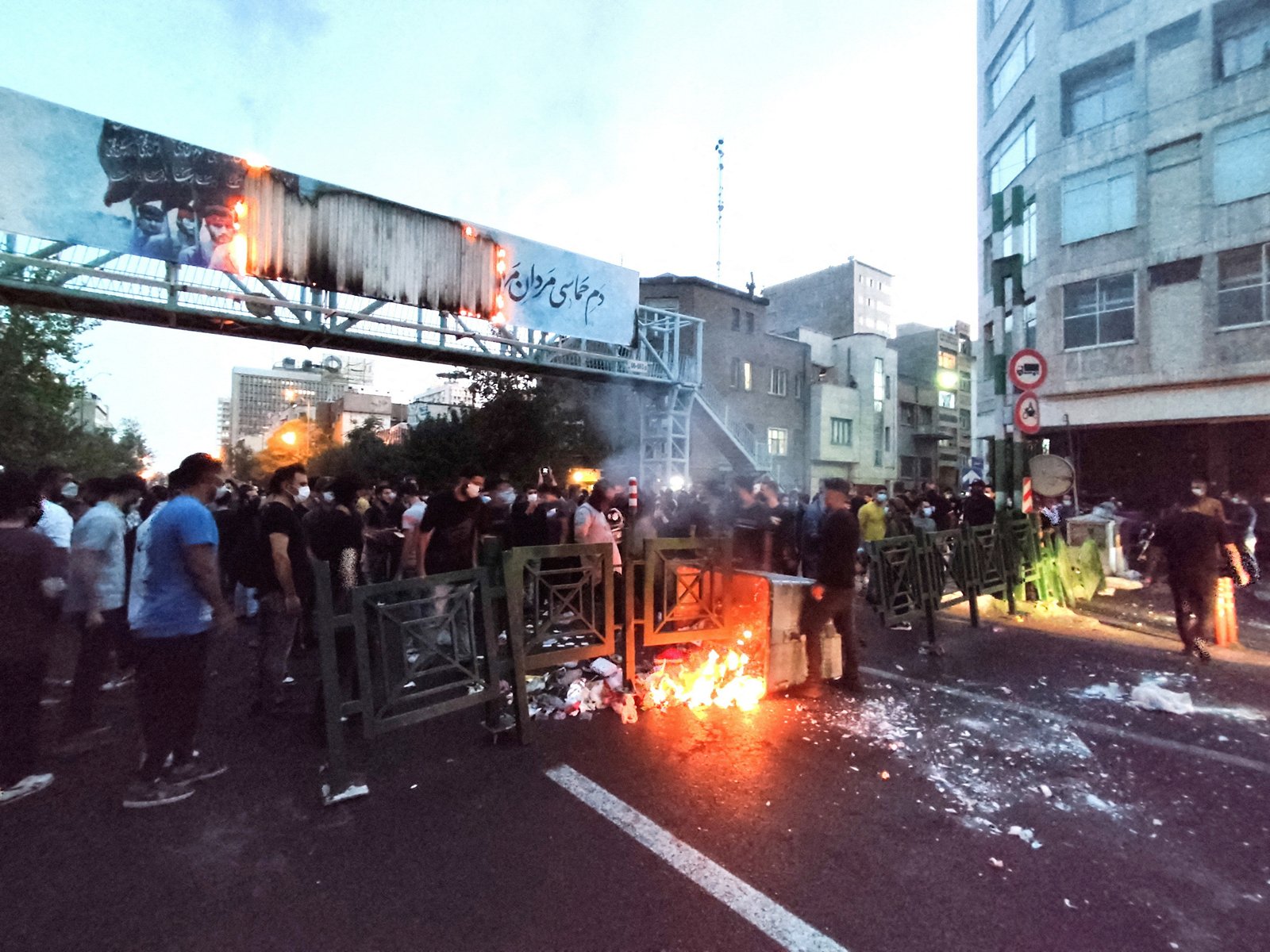
Tehran, January 13:
Iran’s top cyberspace authority has announced that access to the global internet will remain restricted until security conditions fully stabilise across the country. The decision comes amid ongoing nationwide protests triggered by inflation, economic hardship, and public anger over governance.
According to Iranian state broadcaster Press TV, the internet restrictions began on January 9 following widespread unrest in several provinces. Authorities have not provided a clear timeline for restoring full access.
Authorities Cite Security Concerns
Mohammad Amin Aqamiri, President of Iran’s National Center for Cyberspace, said officials would lift restrictions only after completing security assessments. He stated that authorities must first ensure public safety and stability.
“The return to normal conditions will be announced later, after authorities review security considerations,” Aqamiri said, as quoted by IRNA.
Moreover, Aqamiri described the internet shutdown as a measure to counter what he called “cognitive warfare” conducted by Iran’s adversaries through cyberspace.
Domestic Internet Network Remains Active
Meanwhile, the Iranian government has strengthened its domestic intranet, known as the National Information Network (NIN). According to officials, the system ensures continued access to essential services despite the global internet shutdown.
Aqamiri said the NIN supports online banking, digital payments, and e-commerce services. In addition, authorities plan to expand domestic messaging platforms, search engines, and artificial intelligence services to reduce daily disruptions.
“The NIN allows us to guarantee stable services for citizens,” he added.
Nationwide Blackout Continues
Internet monitoring organisation NetBlocks reported that more than 108 hours have passed since Iran imposed the nationwide shutdown. As a result, millions of citizens remain isolated from global communication platforms.
Iran’s Telecom Minister Sattar Hashemi also confirmed that government departments will follow the directive issued by top security officials. However, he said efforts to eventually restore full internet access will continue.
Protests and Casualties
According to the Human Rights Activist News Agency (HRANA), the ongoing protests have resulted in 646 deaths so far. The toll includes 505 protesters, among them nine children, along with 133 members of security forces, one prosecutor, and seven civilians.
The protests have entered their 16th day and have spread nationwide. HRANA reported 606 protest gatherings across 187 cities, highlighting the scale of public unrest.
About The Author