
Piyush Goyal Rejects Congress Criticism on India-EU FTA, Calls Deal Win-Win and Growth-Oriented
 admin
admin 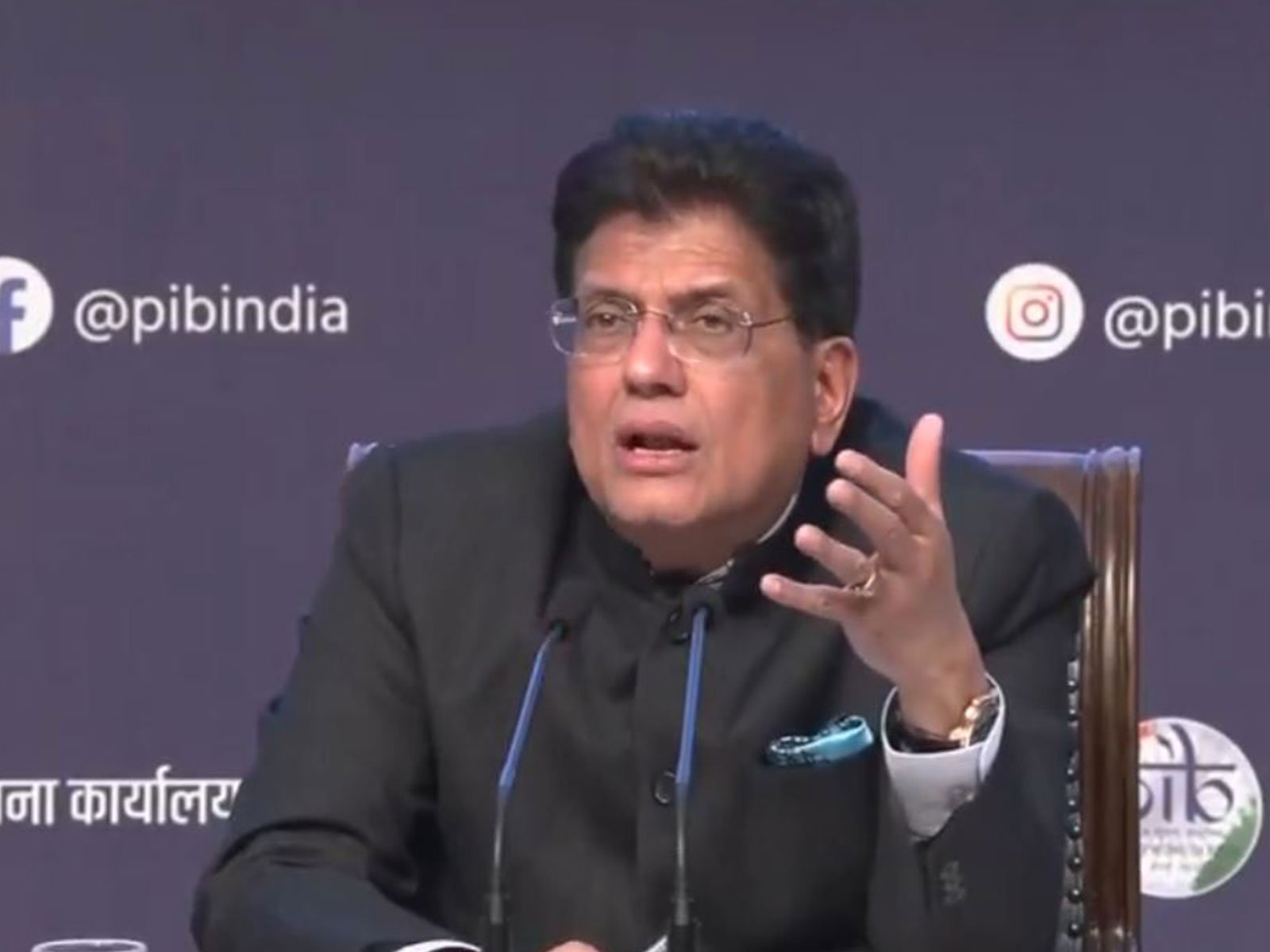
New Delhi | January 29 :
Union Commerce and Industry Minister Piyush Goyal on Wednesday strongly rejected criticism from Congress leader Jairam Ramesh over the India–European Union Free Trade Agreement (FTA), calling the allegations “sour grapes” and asserting that the pact is a win-win agreement for both sides.
Responding to the criticism, Goyal said it was surprising to hear objections from those who failed to take timely decisions when they were in power. He added that such inaction had cost the country jobs, income, and economic growth in the past.
India Paid Heavy Price for Past Inaction: Goyal
In a social media post, Goyal said India had suffered due to delayed decisions under previous governments.
“Our country has lost valuable jobs, income, and growth. People have rightly punished this inaction many times,” he stated.
Addressing claims that the agreement was “hugely hyped,” the minister highlighted the scale of the deal.
FTA Covers $25 Trillion GDP and 2 Billion People
Goyal pointed out that the India-EU FTA brings together economies with a combined GDP of USD 25 trillion, global trade worth USD 11 trillion, and access to a market of nearly 2 billion people.
He also noted that USD 33 billion worth of India’s labour-intensive exports would move to zero-duty access from day one.
“Is this a hype?” Goyal asked. “This is not a zero-sum deal. It is a win-win agreement that will drive economic growth and create opportunities for businesses and people.
Congress Raises CBAM, Auto, and IP Concerns
Earlier, Jairam Ramesh raised concerns over several aspects of the agreement, including the Carbon Border Adjustment Mechanism (CBAM), declining aluminium and steel exports, strict EU health norms, intellectual property rights, access to services, and risks to the auto and electric vehicle sectors.
He also flagged uncertainty around refined fuel exports sourced from Russia.
Government Protecting Exporters’ Interests
Responding to CBAM-related concerns, Goyal said the government had strongly taken up exporters’ interests in steel, aluminium, and other sectors.
He added that India has identified pathways to resolve these complex issues through dialogue, trust, and cooperation rather than rigid positions.
Auto and EV Provisions to Boost Make in India
On the automobile sector, Goyal explained that the agreement follows a quota-based and premium-segment-focused approach. A phased timeline, including a five-year gap for EVs, aims to support the Make in India initiative.
He said liberalising CKD (Completely Knocked Down) imports would encourage European manufacturers to set up local assembly units, leading to full localisation, advanced manufacturing, higher safety standards, and better technology adoption.
IP Rights and Regulatory Safeguards Remain Intact
Addressing intellectual property concerns, Goyal clarified that the FTA aligns with TRIPS norms under the WTO. He said the agreement protects public health flexibilities, supports technology transfer, recognises India’s traditional digital knowledge library, and preserves India’s data exclusivity policy.
On regulatory issues, he added that all countries retain the right to frame health and safety regulations, with safeguards to prevent them from becoming unjustified trade barriers.
India-EU FTA a Long-Term Strategic Partnership
Goyal dismissed concerns around refined fuel exports as driven by extraneous reasons. He stressed that the India-EU FTA represents a long-term strategic engagement built on trust, mutual respect, and shared growth objectives.
About The Author