
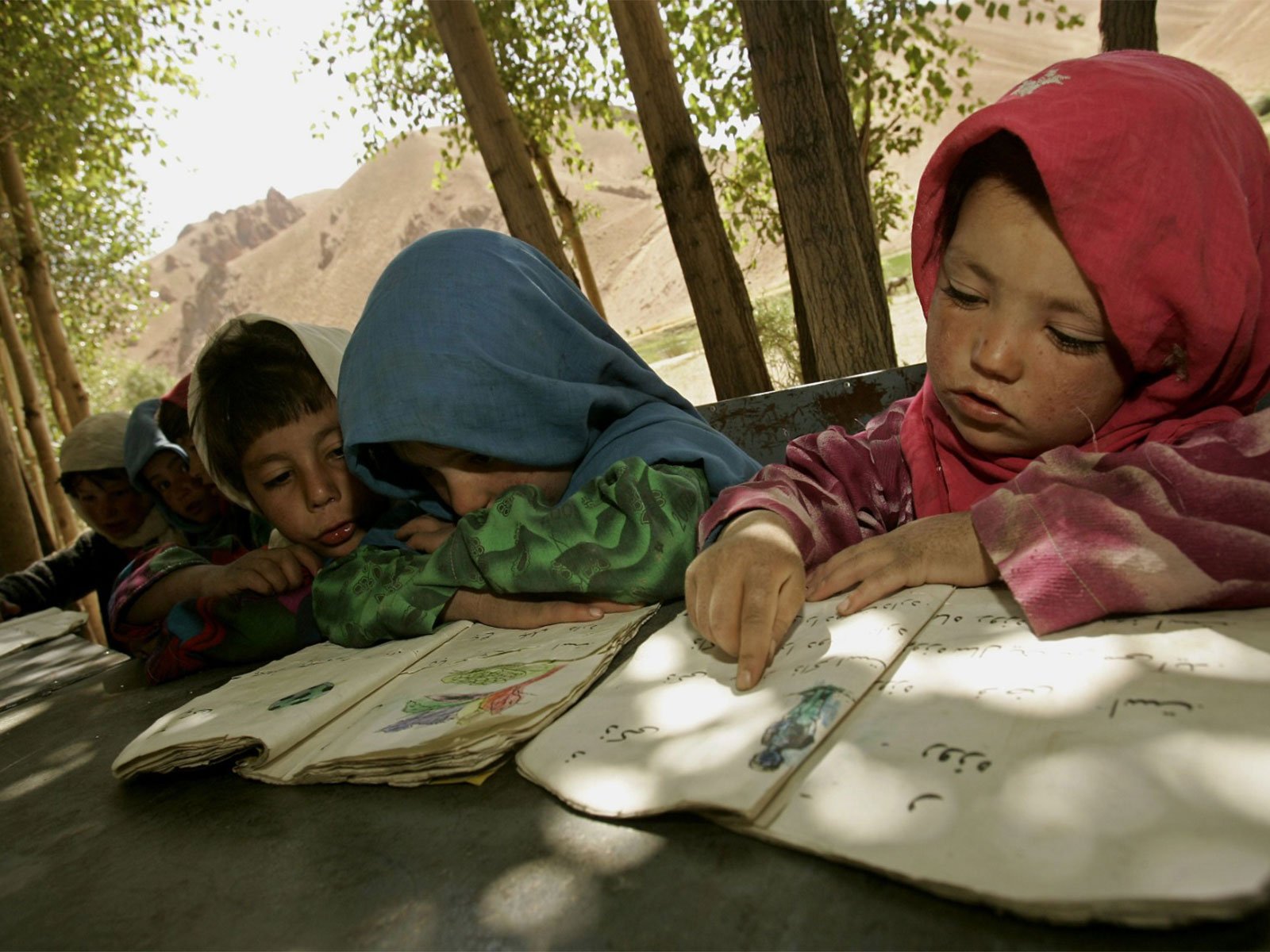
The Afghanistan girls education ban has become a major global concern after UNESCO warned that restrictions on girls’ and women’s access to education could cause irreversible damage to an entire generation. The United Nations educational body has called for the immediate restoration of education rights, highlighting the severe impact of continued restrictions in Afghanistan.
According to UNESCO, Afghanistan remains the only country in the world where girls and women are officially prohibited from accessing education beyond the primary level. Millions of young girls have been prevented from attending schools and universities since restrictions were introduced by the Taliban in 2021.
The ongoing Afghanistan girls education ban has raised concerns among international organisations, human rights groups, and education advocates who believe that education is essential for social development, economic growth, and individual freedom.
UNESCO Warns About Impact of Afghanistan Girls Education Ban
UNESCO stated that approximately 2.4 million girls in Afghanistan are currently unable to continue their education due to the restrictions. The organisation warned that denying education opportunities could result in decades of lost potential and increased social challenges.
The agency highlighted that Afghanistan had made progress in expanding access to education before the restrictions were introduced. By 2021, nearly one million girls were enrolled in secondary education, representing significant progress compared to previous decades.
However, the Afghanistan girls education ban has reversed many of these achievements and created uncertainty about the future of millions of young women.
Education Restrictions Creating Social and Economic Challenges
UNESCO has stated that the Afghanistan girls education ban is not only affecting students but also creating wider social and economic problems.
The organisation warned that excluding women from education and employment opportunities increases poverty risks and limits families’ ability to improve their living conditions.
With nearly half of Afghanistan’s population living below the poverty line, UNESCO said that restricting women’s participation in education and work further damages the country’s economic future.
The organisation also noted that lack of education increases the risk of early marriage and negatively affects the physical and mental well-being of girls and women.
Ban on Female Teachers Impacts Entire Education System
The consequences of the Afghanistan girls education ban have also affected the wider education system.
UNESCO highlighted that restrictions preventing female teachers from teaching boys have contributed to teacher shortages and reduced the overall quality of education.
The organisation explained that women play an important role in education systems, and removing female teachers creates additional challenges for students across Afghanistan.
Experts believe that a strong education system requires equal participation of both male and female educators to provide quality learning opportunities.
UNESCO Supports Alternative Learning Programmes
While formal education remains restricted, UNESCO and its international partners have launched community-based learning programmes to support Afghan learners.
These initiatives include literacy programmes, vocational training, and psychological support services aimed at helping women and girls continue learning despite restrictions.
According to UNESCO, nearly 70,000 learners have benefited from these programmes, with women representing around 73 per cent of participants.
However, UNESCO clarified that these programmes cannot replace formal schooling and universities. The organisation emphasised that every girl has the right to access proper education in a safe environment.
Global Community Urged to Act on Women’s Education Rights
The Afghanistan girls education ban has received international criticism, with organisations calling for stronger efforts to protect women’s fundamental rights.
UNESCO urged the global community to continue supporting Afghan women and girls and not ignore the challenges they face.
The organisation stated that education provides more than academic knowledge. It gives individuals confidence, dignity, independence, and the ability to contribute positively to society.
For Afghan women and girls, access to education remains closely connected with opportunities for employment, personal growth, and participation in community development.
Education as a Fundamental Human Right
UNESCO has repeatedly emphasised that education is a basic human right that should be available to everyone without discrimination.
The continued Afghanistan girls education ban has been described by the organisation as a serious violation of women’s rights and a threat to Afghanistan’s future development.
Education experts warn that excluding an entire generation of girls from schools could have long-term consequences for healthcare, economic progress, and social stability.
Leave a Reply