
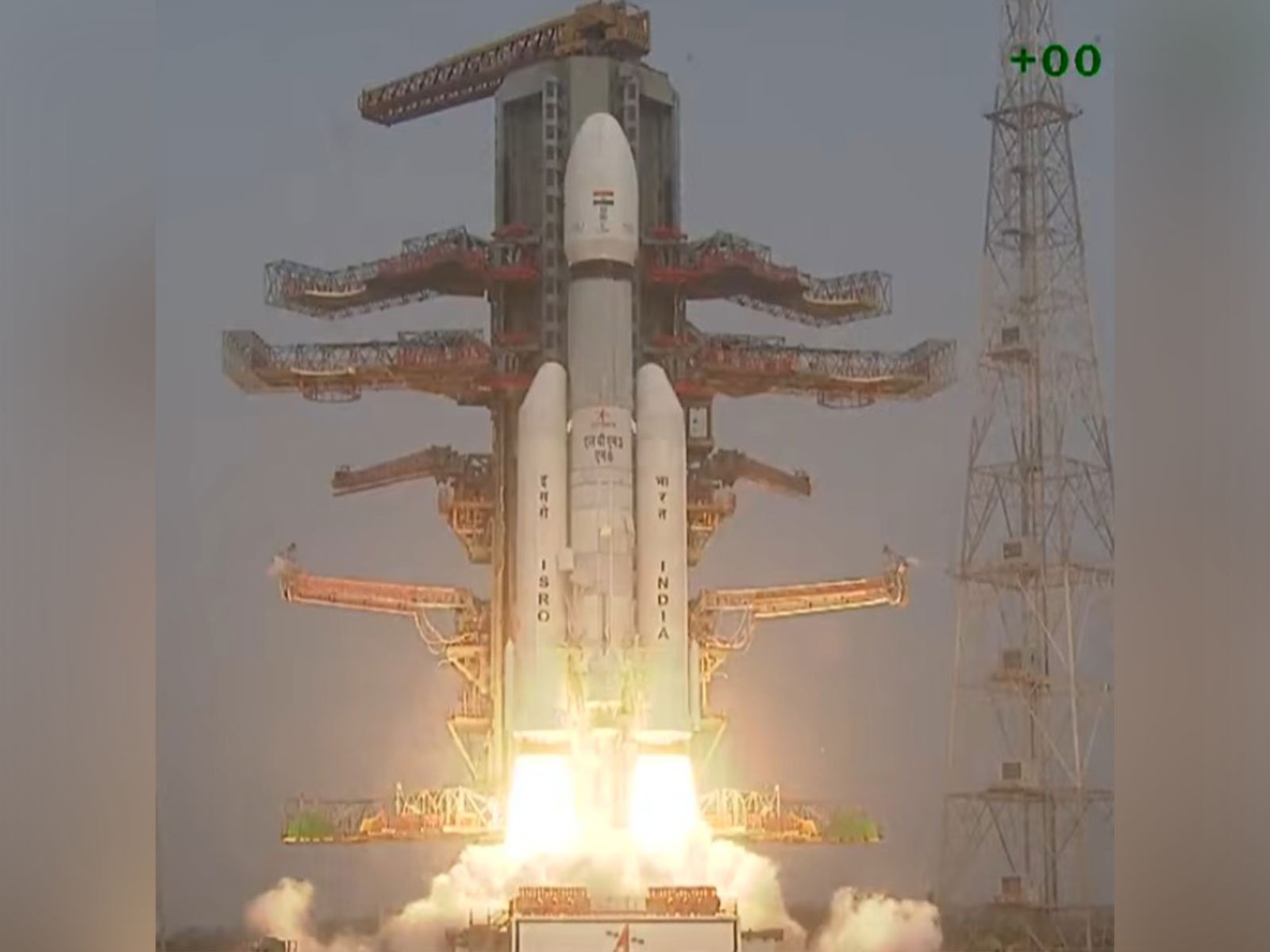
LVM3 Rocket Achieves Key Commercial Milestone
New Delhi, December 24:
The Indian Space Research Organisation (ISRO) successfully launched the BlueBird Block-2 communication satellite on Wednesday. The mission lifted off from the Satish Dhawan Space Centre in Sriharikota, Andhra Pradesh, at 8:55 AM IST.
ISRO placed the satellite into its intended Low Earth Orbit and confirmed mission success shortly after launch.
Mission Strengthens India’s Commercial Space Role
The BlueBird Block-2 satellite belongs to US-based AST SpaceMobile. It aims to deliver high-speed cellular broadband directly to smartphones across the world.
Moreover, the satellite marks a major milestone for ISRO. It is the heaviest payload that the LVM3 rocket has carried into Low Earth Orbit to date. As a result, the mission strengthens India’s position in the global commercial launch market.
Sixth Operational Flight of LVM3
ISRO conducted the mission as a dedicated commercial launch using the LVM3-M6 vehicle. This flight marked the sixth operational mission of the LVM3 rocket.
Additionally, the mission deployed the largest commercial communication satellite ever placed in Low Earth Orbit from Indian soil.
Details of the LVM3 Launch Vehicle
LVM3 is ISRO’s heavy-lift launch vehicle. It uses two solid strap-on motors known as S200, a liquid core stage called L110, and a cryogenic upper stage named C25.
The rocket weighs 640 tonnes at lift-off and stands 43.5 metres tall. Furthermore, it can carry payloads of up to 4,200 kg to Geosynchronous Transfer Orbit.
Strong Legacy of Successful Missions
Earlier, LVM3 launched major missions such as Chandrayaan-2 and Chandrayaan-3. It also deployed 72 satellites during two OneWeb missions.
Meanwhile, ISRO successfully completed its previous LVM3 mission, LVM3-M5/CMS-03, on November 2 this year.
AST SpaceMobile’s Global Connectivity Vision
According to AST SpaceMobile, the company is building the world’s first space-based cellular broadband network. The system allows direct connectivity to standard smartphones without specialised hardware.
Therefore, users can make video calls, browse the internet, and access 4G and 5G services from remote locations across the globe.
Leave a Reply