
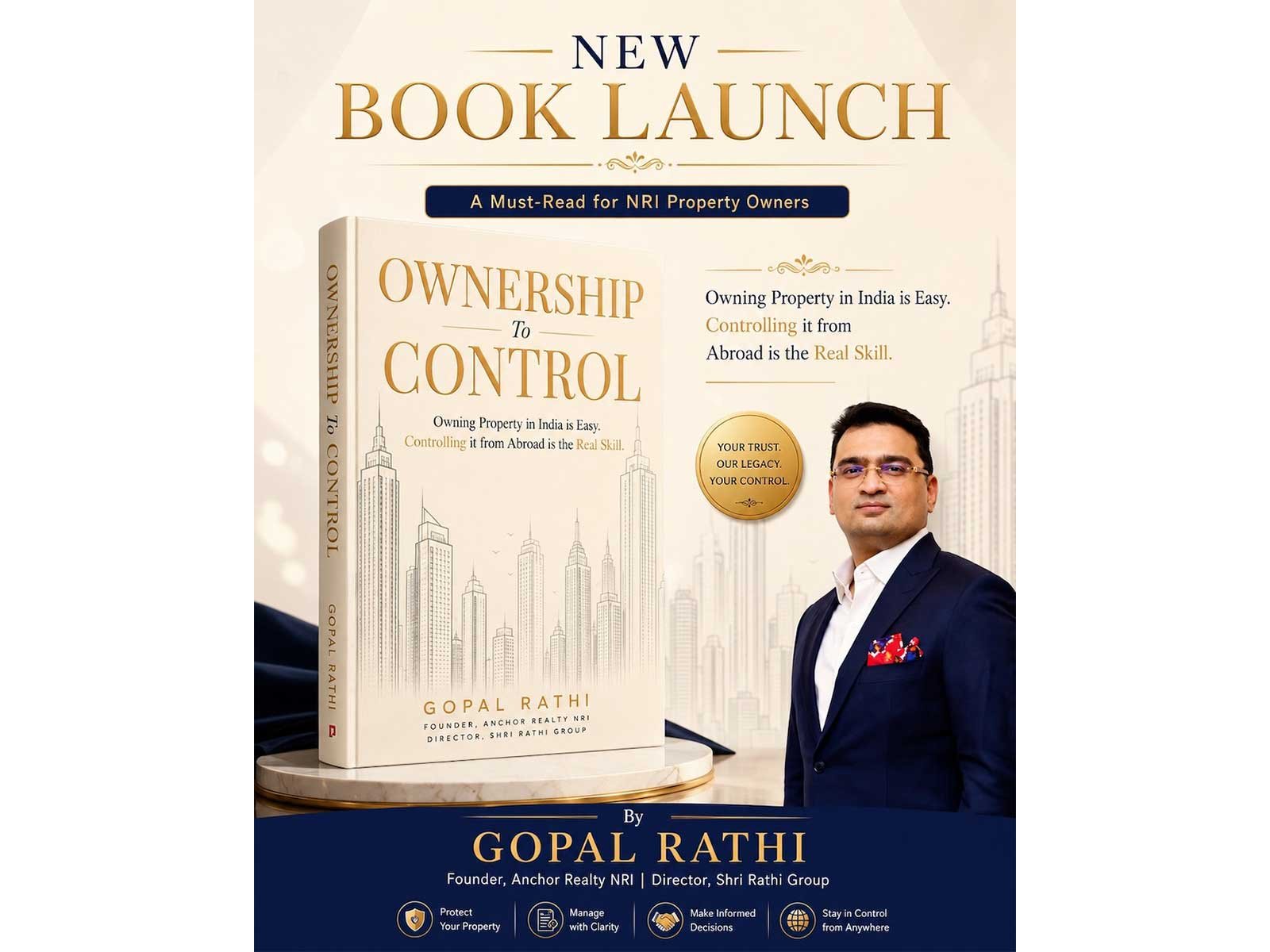
NRI Property Ownership Is Changing With Global Lifestyles
For decades, NRI property ownership has remained an important part of the financial and emotional connection between overseas Indians and their home country. Indian real estate has traditionally been viewed by the global Indian diaspora as a long-term investment, a retirement asset and a way of maintaining family ties with India.
However, changing lifestyles and increasingly global families are transforming how overseas Indians manage their properties. With family members living across different countries and property values increasing, informal arrangements are becoming more difficult to manage effectively.
As a result, NRI property ownership is increasingly moving toward professional management, greater transparency and structured decision-making.
Today’s NRIs want more than simply having their name on a property document. They want visibility into rental income, expenses, legal documentation, maintenance, property decisions and succession planning.
Why NRI Property Ownership Needs Professional Oversight
Distance can create several challenges for overseas property owners. A property may be located thousands of kilometres away from its owner, making regular inspections, tenant management, documentation and financial monitoring difficult.
Traditionally, many NRIs depended on relatives, friends or local representatives to manage their properties. While such arrangements can work in some situations, they may not always provide the level of transparency and accountability required for valuable assets.
The changing nature of NRI property ownership has therefore created demand for professional systems that allow owners to maintain greater control while living abroad.
According to Anchor Realty NRI, globally connected professionals increasingly expect their Indian real estate investments to have the same visibility and accountability they receive from financial portfolios managed overseas.
1. Maintain Strong Operational Control
One of the most important aspects of NRI property ownership is operational control.
Living overseas should not mean losing control over important decisions concerning an Indian property. Owners need clear systems that allow them to understand what is happening with their assets and participate in important decisions.
Operational control can include monitoring tenants, approving major expenses, reviewing maintenance requirements and staying informed about property-related developments.
A structured management approach can help NRIs make informed decisions without having to travel to India for every routine matter.
For NRI property ownership, maintaining decision-making authority is particularly important when properties generate rental income or require regular maintenance.
2. Protect Legal Ownership and Documentation
Legal security is another critical component of NRI property ownership.
Property owners should maintain clear ownership records, updated documentation and legally compliant records. Documents relating to ownership, taxation, agreements and other property matters should be properly organised and accessible when required.
As property ownership may continue across generations, accurate documentation can become increasingly important.
Poor documentation can create uncertainty, especially when multiple family members are involved in an asset. Professional guidance can help owners identify documentation gaps and take appropriate steps to strengthen their legal position.
For NRIs, legal clarity can provide greater confidence while managing property from another country.
3. Ensure Complete Financial Transparency
Financial transparency is becoming a major priority in NRI property ownership.
For properties generating rental income, owners need clear information about rent collection, maintenance expenses, taxes and other financial transactions.
An informal arrangement may make it difficult for owners to determine exactly how much income a property generates or where expenses are being incurred.
Structured reporting can provide NRIs with better visibility into their property’s financial performance.
Predictable rental income, documented transactions and organised financial records can make NRI property ownership easier to monitor.
Financial transparency also helps owners make better long-term decisions about whether to retain, renovate, lease or eventually sell their property.
4. Plan for Future Succession
Succession planning is another increasingly important element of NRI property ownership.
Many overseas Indians own properties that are intended to remain within their families for future generations. However, unclear succession arrangements can create disagreements and complications when ownership passes from one generation to another.
Proper planning and documentation can help minimise the possibility of future disputes.
As younger generations of NRIs become more involved in family wealth management, succession planning is becoming an essential part of responsible property ownership.
A well-structured approach can make the transition of property assets easier for future family members while reducing uncertainty.
5. Use Technology for Better Property Management
Technology is also transforming NRI property ownership.
Digital communication, online documentation, financial reporting and professional property management systems can allow owners to remain connected with their Indian assets regardless of where they live.
For NRIs who travel frequently or permanently reside overseas, technology can reduce the difficulties associated with geographical distance.
Technology-enabled property management can help owners receive updates, review financial information and stay informed about important property-related activities.
This combination of technology and professional oversight is expected to become increasingly important as global mobility continues to grow.
Changing Expectations Among Overseas Indians
The expectations surrounding NRI property ownership have changed considerably over the years.
Previously, owning property in India often provided emotional comfort and represented a connection to one’s roots. Today, NRIs are increasingly treating Indian real estate as an asset that requires professional oversight and measurable performance.
According to Gopal Rathi, Founder of Anchor Realty NRI, property owners increasingly want visibility into how their assets are managed, how decisions are made and whether their long-term interests are protected.
This reflects a broader shift from simple ownership toward active asset management.
For modern NRI property ownership, having a property title alone may not be enough. Owners increasingly want systems that provide control, transparency, security and peace of mind.
Building a More Secure Future for NRI Property Owners
The future of NRI property ownership is likely to involve greater integration of legal services, financial transparency, technology and professional property management.
As Indian real estate continues to remain attractive to overseas Indians, owners will need reliable systems that help them manage assets efficiently from abroad.
Professional frameworks can help NRIs evaluate their property arrangements across four major areas: operational control, legal ownership, financial transparency and succession readiness.
These areas can collectively help transform property ownership from a passive arrangement into a more structured and accountable investment strategy.
Anchor Realty NRI Focuses on Structured Property Management
Anchor Realty NRI has developed frameworks and advisory services designed to help overseas Indians assess and strengthen their control across legal, financial, operational and succession aspects of property ownership.
The objective is to enable NRIs to manage Indian real estate with greater confidence while reducing the uncertainty associated with distance and informal property management arrangements.
As NRI property ownership continues to evolve, professional oversight can play an increasingly important role in protecting assets and improving long-term decision-making.
Leave a Reply