
Operation Sindoor: Indian Forces Destroyed 13 Pakistani Aircraft and Hit 11 Airfields
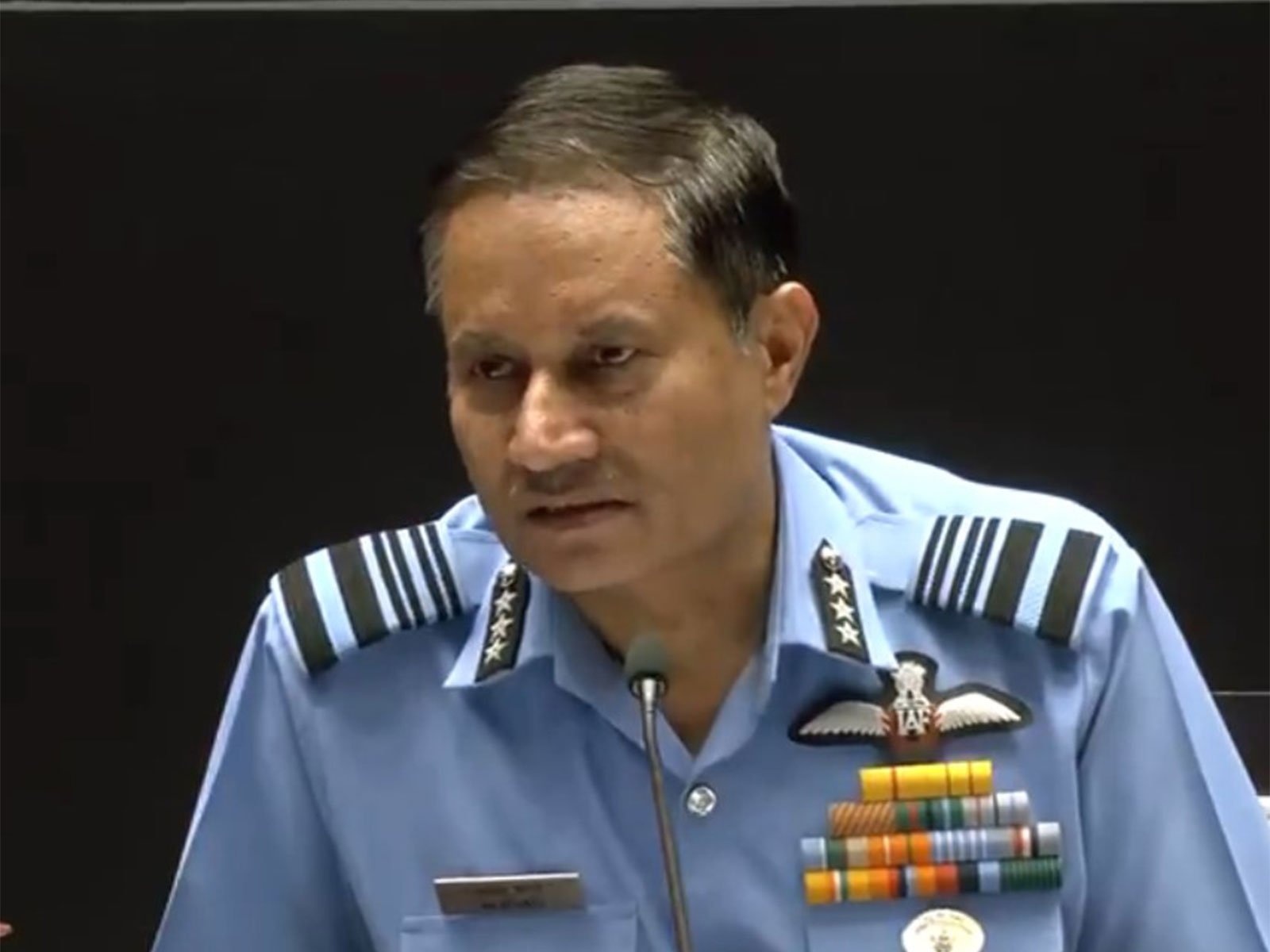
Jaipur, Rajasthan | May 7, 2026: In a powerful statement marking the anniversary of India’s counter-terror military mission, Deputy Chief of Air Staff Awadhesh Kumar Bharti revealed major details about Operation Sindoor, saying Indian armed forces destroyed 13 Pakistani aircraft and struck 11 airfields during the operation.
Addressing a high-level military briefing in Jaipur, Air Marshal AK Bharti said Operation Sindoor was one of India’s most decisive military responses against terrorism and hostile infrastructure operating from across the border. He added that Indian forces also destroyed nine terrorist camps on May 7, 2025, with precision strikes that avoided collateral damage.
According to Air Marshal Bharti, Operation Sindoor demonstrated India’s military capability, strategic precision, and determination to respond strongly to terrorism and any support systems backing it.
Operation Sindoor Targeted Terror Camps and Pakistani Airfields
During the briefing, Air Marshal Bharti explained how Operation Sindoor was carefully planned and executed by Indian defence forces. He stated that Indian forces successfully struck and decimated nine terror camps operating from Pakistani territory.
“We struck and decimated their nine terrorist camps on May 7. The proof is there for everybody to see. We struck 11 of their airfields. We destroyed 13 of their aircraft either on the ground or in the air, including one high-value airborne asset at a record distance of over 300 kilometres,” Air Marshal Bharti said.
The statement has once again brought Operation Sindoor into national focus, especially after India’s armed forces highlighted the strategic achievements of the mission. Defence experts believe the operation showcased India’s advanced aerial combat capabilities and intelligence coordination.
Indian Forces Achieved Major Success During Operation Sindoor
According to military officials, Operation Sindoor was launched to dismantle terror infrastructure and send a clear warning against future attacks targeting India. Indian Air Force assets reportedly carried out high-precision strikes while maintaining strict operational discipline.
Air Marshal Bharti stressed that despite repeated claims from Pakistan, Indian military and civilian infrastructure remained largely unharmed during the conflict. He said Pakistan failed to inflict any major damage on India.
“They have not been able to inflict any major damage on our side. Neither military infrastructure nor much of the civilian structures were affected. Narratives and rhetoric do not give victory. Victory is measured by hard facts,” he stated.
Military analysts say Operation Sindoor reflected India’s ability to conduct large-scale strategic operations without escalating civilian casualties. The operation also highlighted India’s focus on targeting terror support systems instead of civilian areas.
Operation Sindoor Sent a Strong Message to Pakistan
The anniversary briefing of Operation Sindoor has reignited discussions about India’s defence policy and cross-border counter-terror operations. Air Marshal Bharti said India’s mission was always focused on terrorists and their infrastructure.
He clarified that the Indian forces completed their objectives successfully before the situation escalated further. However, when Pakistan allegedly supported terror-related activities and military involvement increased, India responded strongly in self-defence.
“Our fight was with terrorists and their support infrastructure. That is what we hit. We achieved our objectives, and our mission was complete. But when the Pakistani establishment decided to side with terror and make it their own fight, we had no choice but to respond in kind,” he said.
According to defence observers, Operation Sindoor became one of the strongest military responses undertaken by India in recent years. The operation reportedly demonstrated the country’s readiness to defend itself against terrorism and cross-border threats.
Pakistan Requested Cessation After Operation Sindoor
Air Marshal Bharti also addressed questions regarding why India agreed to stop military operations after achieving tactical superiority. He said the response delivered during Operation Sindoor was already decisive and effective enough to achieve the mission’s objectives.
“After taking the beating, sense kicked in in the adversary, and they asked for a cessation of hostilities. We paused when the request came. We stepped back but we didn’t blink,” he said.
The statement indicates that Operation Sindoor not only weakened terror infrastructure but also forced Pakistan to reconsider further escalation. Defence experts believe India’s response changed the strategic balance and delivered a strong diplomatic and military message internationally.
Air Marshal Bharti further stated that India’s position remains clear: any future acts of terror or military misadventure will face a strong and immediate response.
Operation Sindoor Showcased India’s Advanced Air Power
Military analysts have praised Operation Sindoor for demonstrating India’s growing technological and aerial warfare capabilities. The destruction of 13 Pakistani aircraft, including a high-value airborne asset from over 300 kilometres away, is being seen as a significant achievement.
Experts say the success of Operation Sindoor highlights the operational strength of the Indian Air Force and the effectiveness of India’s integrated defence systems. The mission reportedly involved intelligence coordination, advanced radar systems, precision targeting, and rapid execution.
The operation has also boosted confidence in India’s national security strategy and defence preparedness. Several defence experts believe Operation Sindoor will now be studied as a major example of modern aerial warfare and strategic deterrence.
Public Reaction to Operation Sindoor
The remarks made by Air Marshal Bharti have generated widespread reactions across the country. Social media platforms were flooded with praise for the Indian armed forces after details of Operation Sindoor were revisited during the anniversary event.
Citizens, defence veterans, and political leaders applauded the military leadership and personnel involved in the operation. Many people described Operation Sindoor as a symbol of India’s zero-tolerance policy toward terrorism.
Several former military officers also highlighted the importance of national unity and military preparedness in ensuring the success of operations like Op Sindoor.
Strategic Importance of Operation Sindoor
Security experts believe Operation Sindoor has long-term strategic significance for India’s defence posture. The operation established a clear message that India would not hesitate to target terror infrastructure if national security is threatened.
By successfully striking airfields, destroying aircraft, and eliminating terror camps, Op Sindoor reinforced India’s position as a capable regional military power. Analysts say the operation also improved India’s deterrence capability against future cross-border threats.
The Indian military leadership has maintained that operations like Operation are necessary to protect national sovereignty and ensure the safety of Indian citizens.
India’s Defence Preparedness After Operation Sindoor
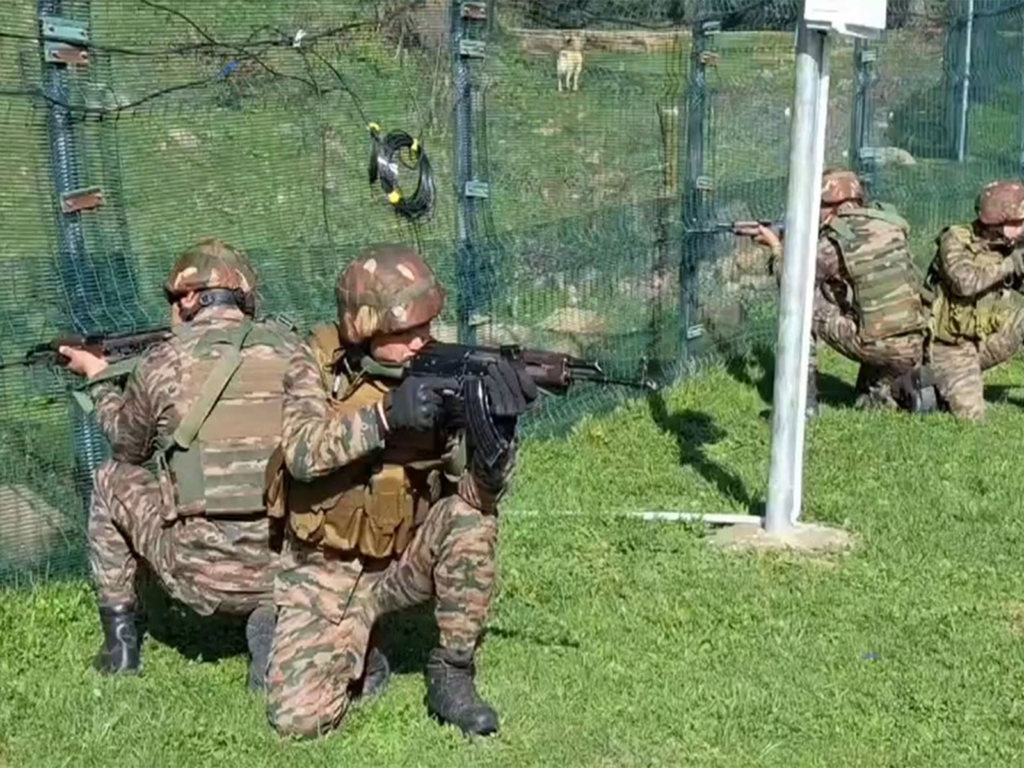
Following the success of Operation Sindoor, India has continued strengthening its defence systems, aerial surveillance, missile technology, and strategic military partnerships. Defence officials say the lessons learned during the operation have helped improve coordination among the armed forces.
Air Marshal Bharti concluded his address by reaffirming India’s commitment to defending the nation against terrorism and external aggression. He said the message delivered during Operation Sindoor remains clear and relevant even today.
“Misadventure will not go unanswered, and acts of terror will carry consequences,” he said firmly.
With renewed discussions around national security, operation continues to remain one of the most significant military operations in India’s recent history.
Leave a Reply