
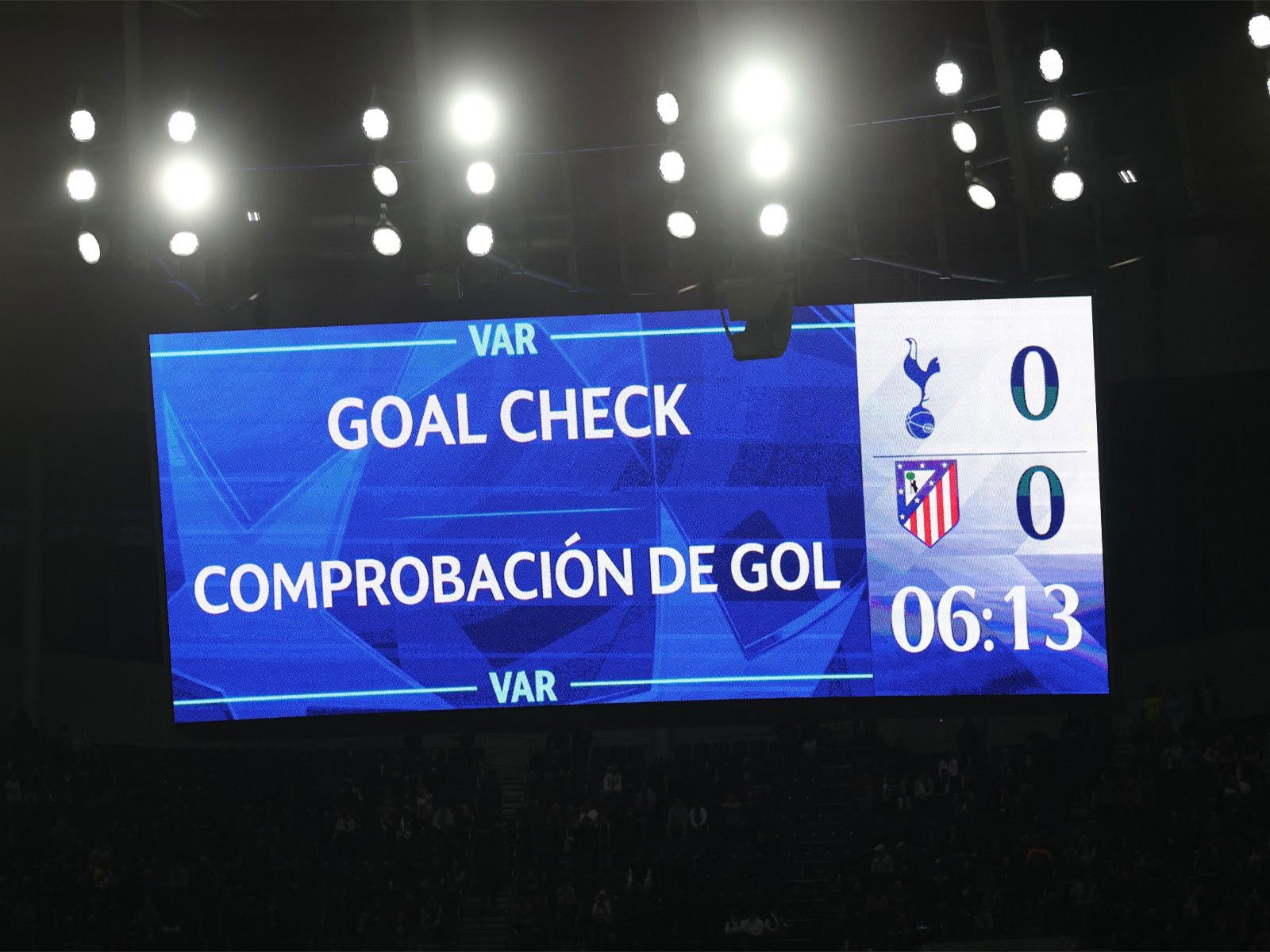
UEFA Clear Line Aims to Make VAR More Transparent
Nyon, Switzerland: UEFA has taken a major step toward making video technology in football easier to understand by introducing the UEFA Clear Line, a platform designed to explain when and how the Video Assistant Referee (VAR) should intervene during matches.
The new guide aims to provide a clearer understanding of VAR procedures, cases and decision-making criteria. It is intended not only for referees and officials but also for players, coaches, clubs, fans and journalists.
The introduction of the UEFA Clear Line comes after years of debate surrounding VAR decisions and questions about when video officials should intervene in matches.
According to a report by AS cited by Goal.com, the platform is already operational and brings together examples and explanations designed to clarify how the VAR system works.
1. UEFA Wants Clearer VAR Decisions
One of the primary objectives of the UEFA Clear Line is to answer a question that has repeatedly generated controversy in football: when should the VAR intervene?
Roberto Rosetti, head of UEFA’s referees committee, said this is one of the central questions surrounding the technology.
UEFA has used approximately eight years of experience with VAR cases to develop the platform. More than 100 video clips have reportedly been used to illustrate situations and provide a clearer understanding of the system.
The intention is to create a common reference point for people trying to understand VAR decisions.
2. The Guide Is Designed for Everyone
The UEFA Clear Line is not intended exclusively for referees.
UEFA officials have emphasised that the platform has been created for the wider football community, including players, coaches, clubs, supporters and journalists.
This broader approach could help reduce confusion surrounding controversial VAR decisions. Rather than relying solely on technical referee terminology, the platform reportedly uses accessible language to explain the principles behind video interventions.
UEFA official Velasco Carballo said the platform is intended to explain the organisation’s basic VAR principles to anyone interested in understanding them.
3. More Than 100 VAR Clips Used
Another important feature of the UEFA Clear Line is its extensive collection of examples.
UEFA has drawn on around eight years of experience and more than 100 clear video clips to demonstrate different VAR situations.
The clips are expected to help users compare incidents and understand why intervention may or may not be appropriate in specific circumstances.
This could be particularly useful following major Champions League matches, when controversial decisions often become the subject of intense discussion among fans and analysts.
A centralised library of examples could provide a common reference point when assessing similar incidents.
4. UEFA Plans Less Interventionist VAR
The UEFA Clear Line will also support a significant shift in how VAR is used from the 2026-27 season.
UEFA plans to make VAR less interventionist by concentrating on more obvious and serious errors rather than minor incidents.
The approach is designed to preserve the role of the on-field referee while using video technology primarily when a clear and significant mistake has occurred.
This could lead to fewer interruptions during matches and potentially make the overall viewing experience more natural for supporters.
The move reflects UEFA’s broader effort to find a balance between technological assistance and traditional refereeing.
5. Clear Guidelines Could Reduce VAR Controversy
VAR has transformed modern football, but the technology has also generated considerable controversy.
Fans, players and managers have frequently questioned why VAR intervenes in some situations but does not review seemingly similar incidents in others.
The UEFA Clear Line is intended to address some of this uncertainty by providing clearly explained criteria and examples.
By making the principles available to the public, UEFA hopes that people will have a better understanding of why certain decisions are reviewed and others are allowed to stand.
A transparent system could help improve confidence in video refereeing.
How the UEFA Clear Line Could Change Football
The launch of the UEFA Clear Line represents an important development in the evolution of VAR.
Since its introduction, video technology has changed the way major decisions are reviewed in football. However, its effectiveness depends not only on the technology itself but also on how consistently it is applied.
UEFA’s new platform could help establish a more uniform understanding of VAR principles across competitions.
For clubs and players, clearer guidelines could provide greater certainty about the circumstances in which a referee may be advised to review an incident.
For fans, the platform could provide an accessible way to understand decisions that previously appeared difficult to explain.
Focus on Serious Errors
A key principle behind UEFA’s updated approach is the focus on serious and obvious mistakes.
Rather than using VAR to correct every minor error, officials will concentrate on incidents where a significant decision may have been missed.
This approach is intended to preserve the authority of the referee on the field.
The UEFA Clear Line will therefore serve as a reference for determining which incidents warrant video intervention and which should remain under the referee’s original decision.
UEFA’s Wider VAR Reform
The move comes after years of experience with video technology in European football.
UEFA officials have acknowledged that VAR needed a system that could organise its principles and provide a clear framework for decision-making.
The UEFA Clear Line is designed to fulfil that role by bringing together procedures, cases, criteria and video examples in one accessible platform.
The guide could become particularly valuable during high-profile European matches, where controversial decisions can attract worldwide attention within minutes.
What to Expect From VAR in 2026-27
From the 2026-27 season, UEFA intends to follow the principles outlined in the UEFA Clear Line.
The focus will be on limiting interventions to more blatant and serious errors while avoiding unnecessary reviews of fine or marginal incidents.
If successfully implemented, the approach could reduce interruptions and make VAR decisions easier for football audiences to understand.
The platform also gives players, coaches and fans an opportunity to familiarise themselves with the principles before the new season gets underway.
Leave a Reply