
 admin
admin 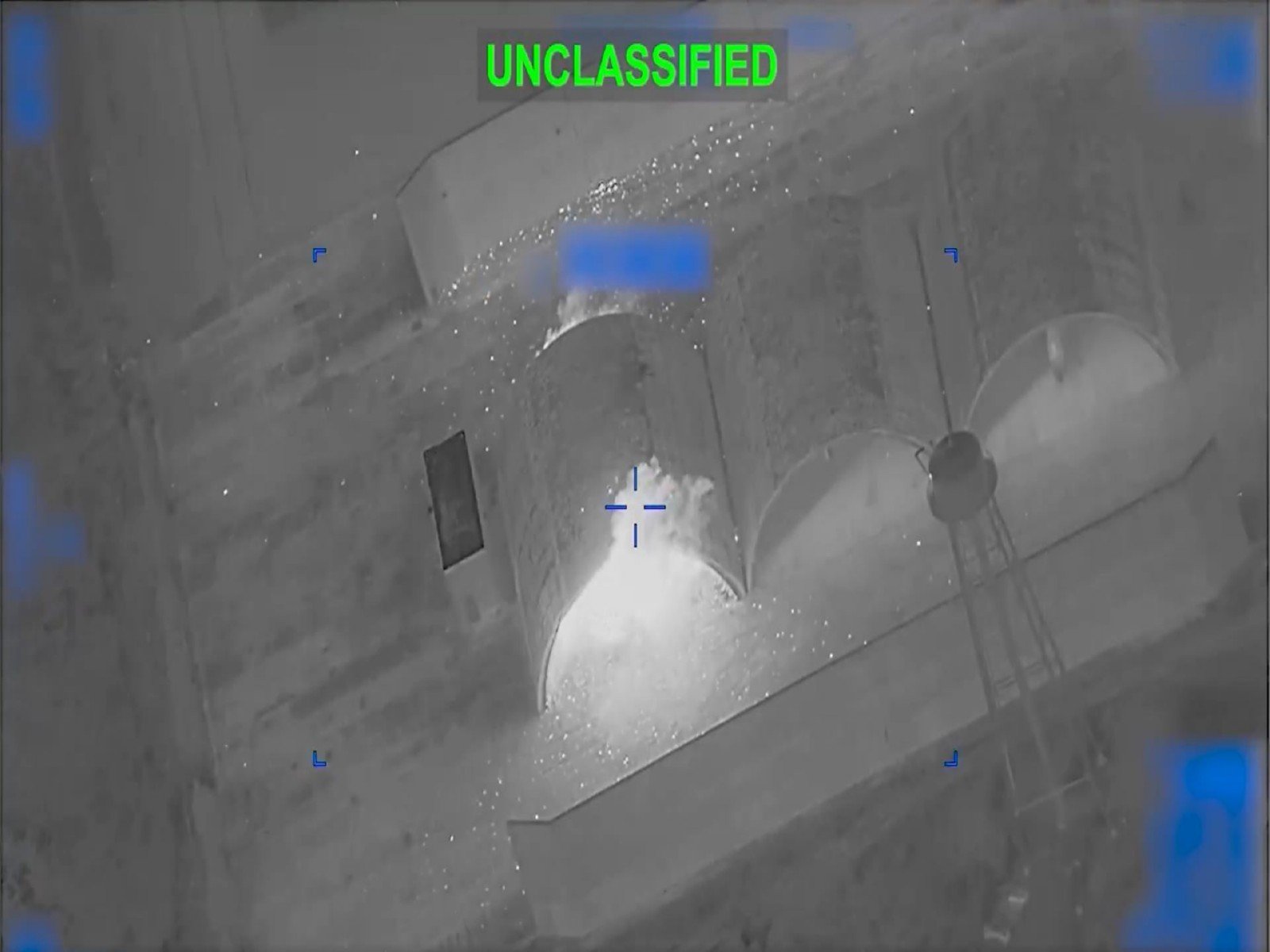
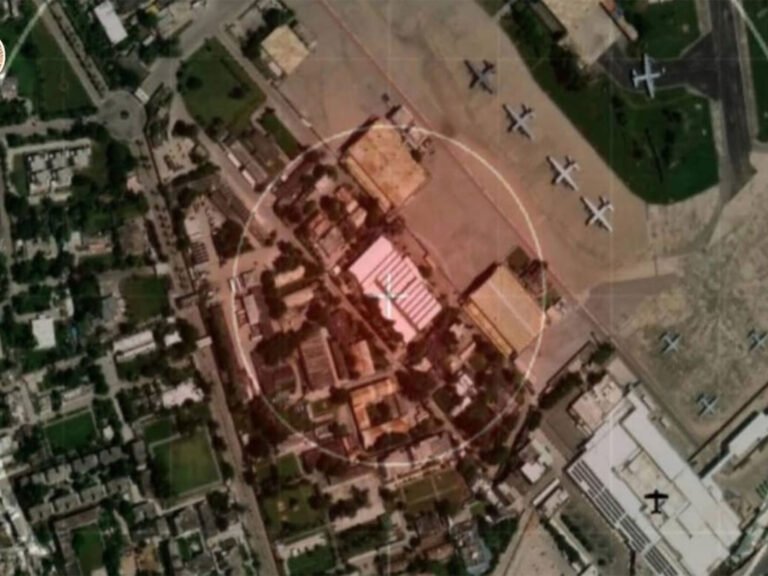
Washington, DC, March 7: The US Central Command (CENTCOM) said American forces have carried out more than 3,000 strikes inside Iran during the first week of Operation Epic Fury. The military campaign is part of an escalating conflict in West Asia.
In a statement posted on social media platform X, CENTCOM confirmed that US forces will continue the operation.
“US forces have struck over 3,000 targets in the first week of Operation Epic Fury, and we are not slowing down,” the command said.
U.S. forces have struck over 3,000 targets in the first week of Operation Epic Fury, and we are not slowing down. pic.twitter.com/Nqn30feTQA
— U.S. Central Command (@CENTCOM) March 7, 2026
Operation Epic Fury Expands Military Action
The strikes target several military and strategic locations in Iran. US officials say the operation aims to weaken Iran’s military infrastructure.
The campaign comes amid growing tensions between the United States, Iran, and Israel in the region.
Military analysts warn that continued strikes could widen the conflict and increase instability across West Asia.
Trump Demands ‘Unconditional Surrender’ from Iran
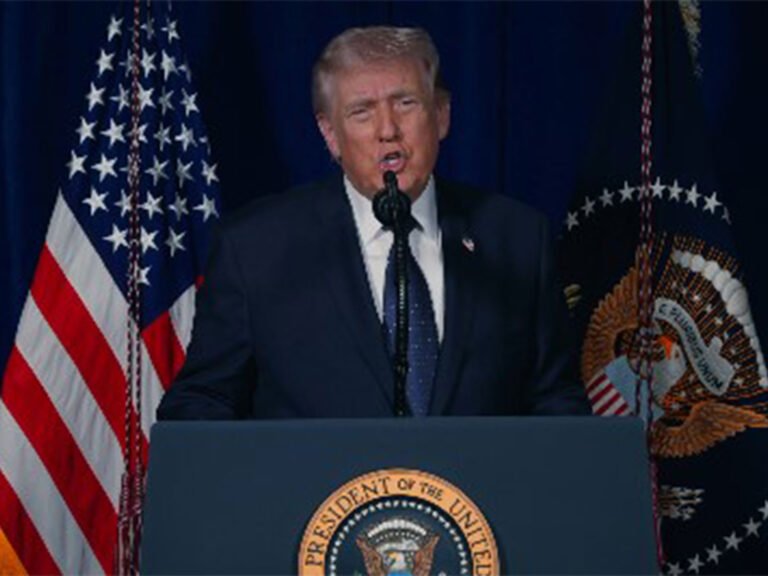
US President Donald Trump has taken a strong stance on the conflict. He said the United States will not negotiate with Iran unless the country agrees to “unconditional surrender.”
In a post on Truth Social, Trump said the US and its allies would only consider negotiations after Iran accepts defeat and new leadership emerges.
“There will be no deal with Iran except unconditional surrender,” Trump said.
He added that the United States and its partners could help rebuild Iran after the conflict. Trump also used the slogan “Make Iran Great Again (MIGA)”, echoing his earlier political campaign phrase.
Conflict Escalated After Strike on Iranian Leadership
The situation intensified after a joint US-Israel military strike on February 28 targeted Iranian territory. Reports said the strike killed Iran’s Supreme Leader Ayatollah Ali Khamenei and several senior officials.
Following the attack, Iran launched drone and missile strikes targeting American military bases and Israeli assets across several Arab countries.
Israel has also continued its military operations against Iranian positions and Hezbollah targets in Lebanon.
Debate Over Iran’s Next Supreme Leader
Amid the conflict, discussions have started about Iran’s future leadership.
Reports suggest that Mojtaba Khamenei, son of the late Supreme Leader, may become the next leader. However, Iranian authorities have denied these reports.
In an interview with Axios, Trump said he wants the United States to play a role in the selection of Iran’s next Supreme Leader.
He criticized the possibility of Mojtaba Khamenei taking the position and said the US prefers a leader who can bring peace and stability to the region.
Rising Tensions in West Asia
The conflict has created serious geopolitical tensions across West Asia. Experts warn that continued military escalation could affect global security, oil markets, and international relations.
Governments and international organizations are closely monitoring the situation as diplomatic efforts struggle to contain the crisis.
About The Author