
 admin
admin 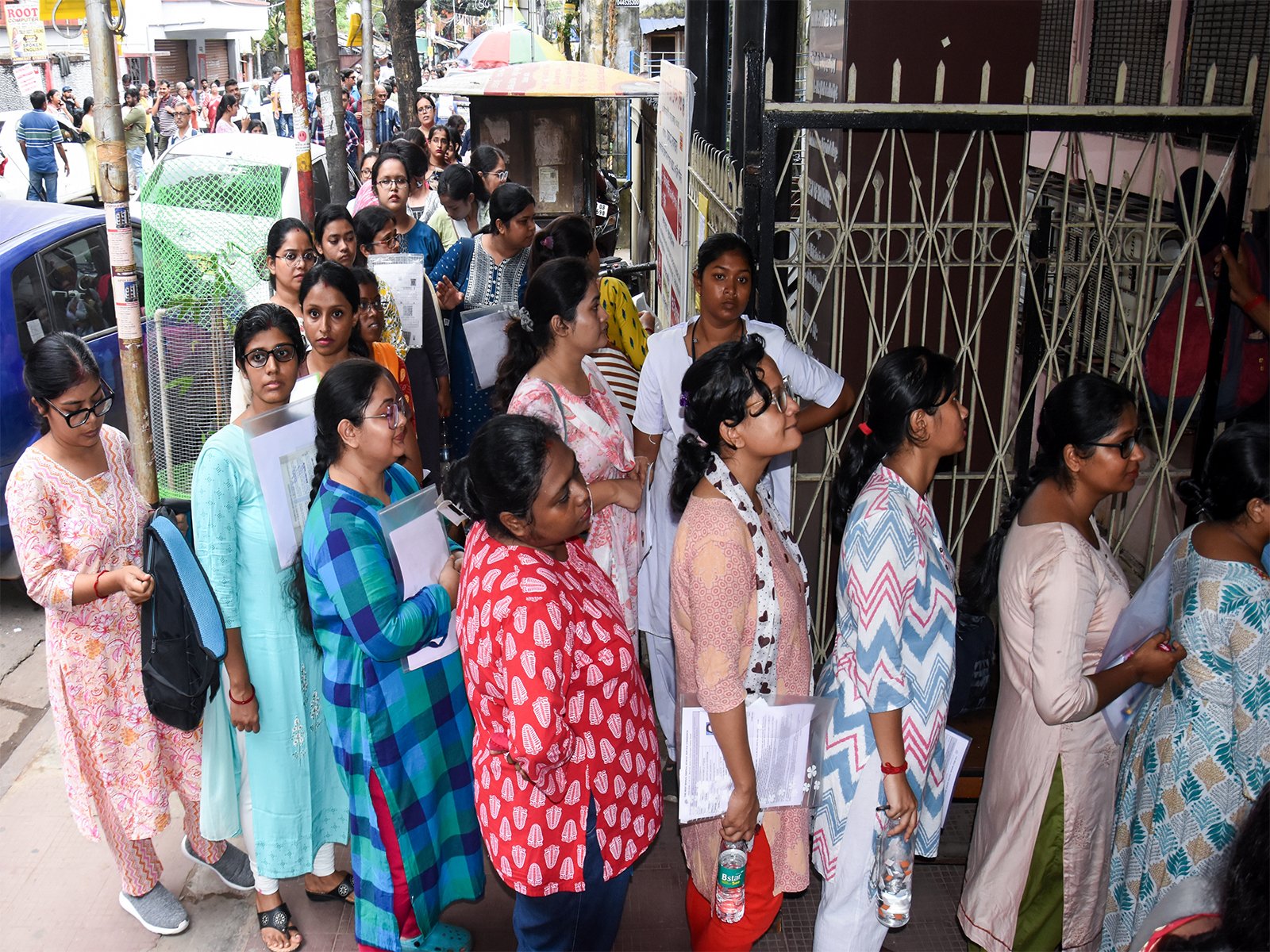
New Delhi, India | April 23, 2026
Despite a growing presence in the IT workforce, Women in India continue to remain significantly underrepresented in high-skill technology roles, according to a recent report by TeamLease Degree Apprenticeship and GAN Global.
The findings highlight a critical gap between workforce participation and job readiness, raising concerns about the future of India’s technology talent pool.
Growing Workforce, But Persistent Skill Gap
Currently, women account for 35–38% of the overall IT workforce in India. However, there remains a 20–25% gap in job readiness for specialized technical roles.
Therefore, although participation is improving, employability in advanced domains still lags behind. This gap becomes even more concerning as industries increasingly demand expertise in emerging technologies.
Decline from Education to Employment
The report reveals a sharp drop in women’s representation across the education-to-employment pipeline.
- Women make up 43% of STEM graduates
- However, their share falls to 30% in engineering programs
- Furthermore, it drops below 20% in core engineering fields
As a result, fewer women enter highly technical career paths, which directly impacts workforce diversity.
Low Presence in Advanced Tech Roles
Women hold only 14–16% of niche technical roles in fields such as:
- Artificial Intelligence (AI)
- Cybersecurity
- Cloud Computing
- Programming
Moreover, employability in these areas remains around 22%, indicating a significant skills gap.
Consequently, industries face challenges in building a diverse and skilled workforce.
India Faces Talent Shortage by 2027
The report also warns that India’s technology sector could face a talent shortage of over 1.8 million professionals by 2027.
Therefore, bridging the gender gap in tech roles is not just a diversity issue—it is an economic necessity.
Apprenticeships as a Key Solution
The study highlights Apprenticeships as an effective solution to improve employability.
These programs combine on-the-job training with formal education, making them especially valuable for women in Tier 2 and Tier 3 cities.
Nipun Sharma, CEO of TeamLease Degree Apprenticeship, stated that cities like Hyderabad are showing promising trends, with 42% women participation in apprenticeship programs.
Moreover, he emphasized that collaboration between industry, academia, and government can significantly improve inclusive skilling.
Key Recommendations to Improve Participation
To address the issue, the report suggests:
- Expanding apprenticeship opportunities
- Strengthening industry-academia partnerships
- Improving workplace safety and mobility
- Providing better support systems for women
Furthermore, addressing these challenges can help increase participation in high-demand technical roles.
Overall, while women’s participation in India’s IT workforce continues to grow, their representation in high-skill roles remains limited.
Therefore, targeted efforts in skill development, education, and workplace support are essential. By closing this gap, India can not only promote gender equality but also strengthen its position in the global technology landscape.
About The Author