
Iran’s Supreme Leader Should Be Very Worried, Says US President Donald Trump Ahead of Nuclear Talks
 admin
admin 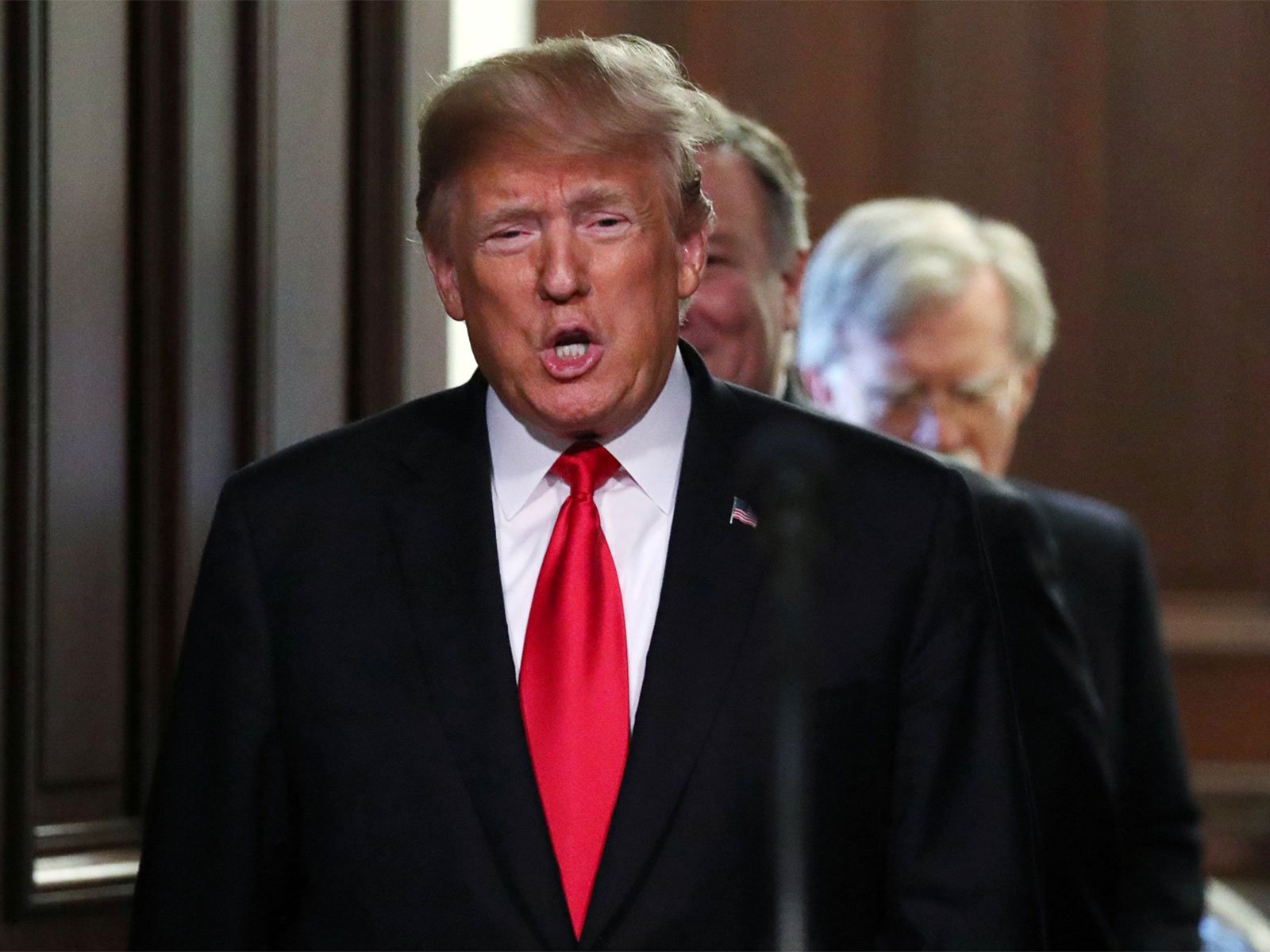
Washington DC [US], February 6 :
US President Donald Trump issued a strong warning to Iran’s leadership this week. He said Iran’s Supreme Leader Ayatollah Ali Khamenei “should be very worried” as nuclear talks between the two countries move closer.
Trump made the statement in an interview with NBC News, according to excerpts reported by CNN.
Trump Warns Iran Ahead of Nuclear Negotiations
During the interview, Trump responded directly when asked about Khamenei.
“I would say he should be very worried, yeah. He should be,” Trump said.
The statement shows that the US is keeping a tough stance on Iran. At the same time, both countries are still exploring diplomatic options.
Iran Agrees to Talks With the US
According to CNN, Iran has agreed to hold talks with the United States. Iran wants to avoid the risk of further military strikes.
Tensions have remained high for weeks. Both sides have exchanged sharp warnings.
Trump has also warned Iran several times. He said “bad things” could happen if Iran refuses a nuclear deal.
Talks Likely to Take Place in Oman
Reports suggest the upcoming discussions will take place in Oman.
Iran’s ISNA news agency also confirmed Oman as the venue. The talks are expected to happen on Friday.
Iran Highlights Missile Upgrades
Meanwhile, Iran’s top military commander claimed the country has strengthened its deterrence power. He said Iran upgraded its domestically produced ballistic missiles.
Iranian state broadcaster Press TV reported that Chief of Staff Abdolrahim Mousavi made the comments during a visit to a missile facility. The facility is operated by the Islamic Revolution Guards Corps (IRGC).
He said Iran improved its missile systems in several technical areas.
Iran Signals Tougher Military Response
Mousavi also said Iran is ready to respond strongly to any hostile action.
He claimed Iran changed its military doctrine after a recent 12-day conflict. He said Iran now focuses more on offensive strategy and asymmetric warfare.ry approach after a recent 12-day conflict, saying the country has moved from a defensive doctrine to an offensive one using asymmetric warfare, along with readiness for a “crushing response” to enemies.
Tensions Remain High Despite Diplomacy
While both sides appear to be moving toward renewed talks, tensions remain high due to continued threats, military deployments, and warnings from both Washington and Tehran.
About The Author