
Jaishankar Discusses West Asia Crisis Impact on Global Economy, MEA Highlights Diplomatic Outreach
 admin
admin 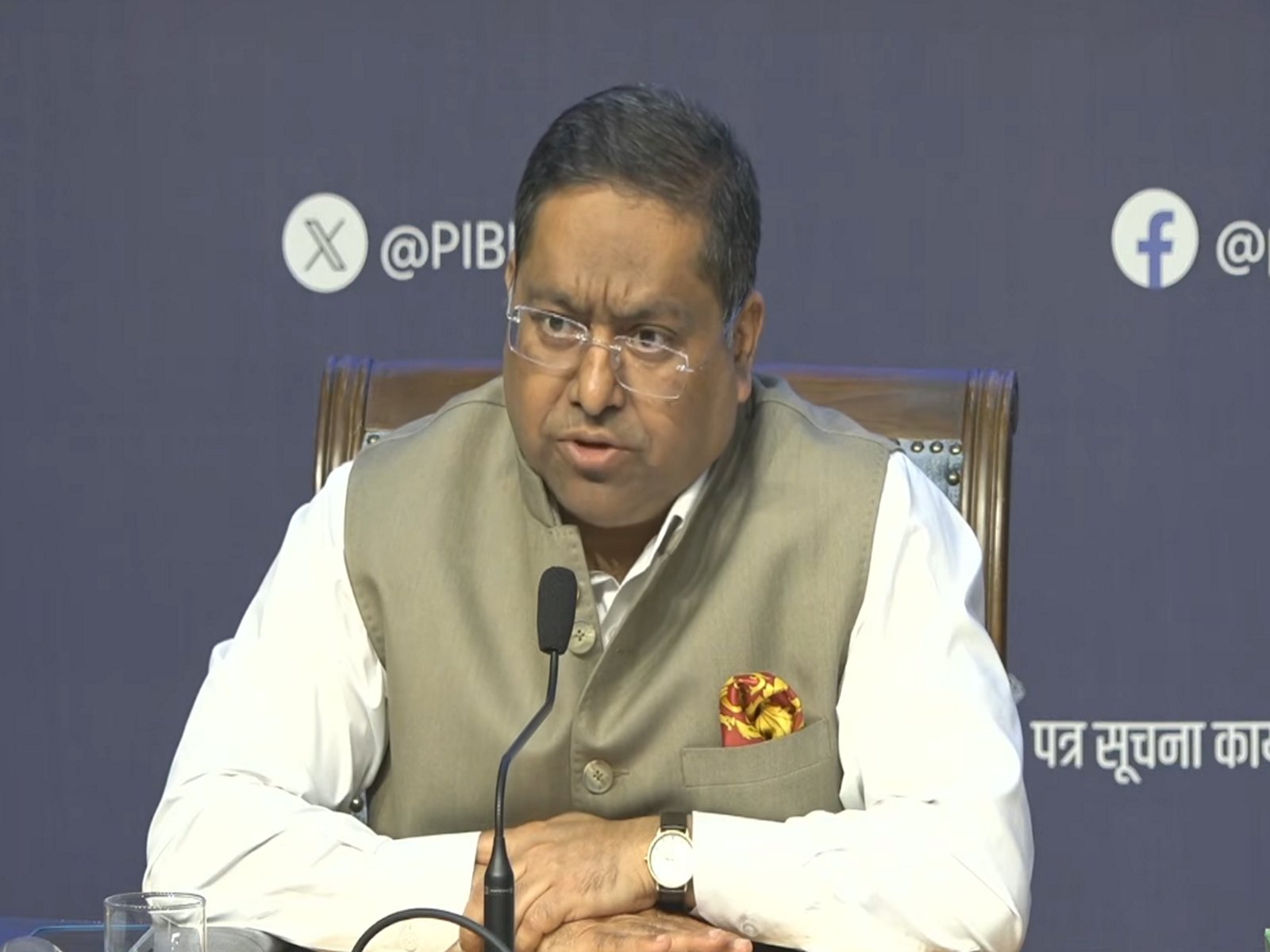
New Delhi, India | March 24:
India has intensified its diplomatic efforts amid the ongoing West Asia conflict. The Ministry of External Affairs (MEA) confirmed that S Jaishankar held multiple high-level discussions with global and regional leaders.
The talks focused on the conflict’s impact on the international economy, especially energy security.
Talks with US Focus on Energy Concerns
Jaishankar spoke with Marco Rubio to discuss the evolving situation in West Asia. Both leaders reviewed the global economic impact and agreed to stay in touch.
The discussions highlighted growing concerns over disruptions in energy supply chains.
Engagement with Gulf Nations
The External Affairs Minister also met ambassadors from Gulf Cooperation Council (GCC) countries in New Delhi. These included representatives from Saudi Arabia, UAE, Bahrain, Oman, Kuwait, and Qatar.
During the meeting, Jaishankar thanked them for supporting the Indian community in the region. Around 10 million Indians live and work in West Asia.
Focus on Neighbourhood and Regional Stability
Jaishankar also spoke with Vijitha Herath. The discussion focused on the regional impact of the conflict.
India reaffirmed its commitment to the “Neighbourhood First” policy and Mission MAHASAGAR. These initiatives aim to strengthen regional cooperation and stability.
Outreach to European Partners
In addition, Jaishankar held talks with Johann Wadephul to discuss the crisis and its global implications.
These engagements reflect India’s broad diplomatic strategy to manage economic risks and ensure stability.
Concerns Over Supply Chains
The ongoing conflict has raised concerns about food, fuel, and fertiliser supplies. The government has already reviewed measures to protect supply chains through the Cabinet Committee on Security.
India is actively engaging with global partners to address the impact of the West Asia conflict. The diplomatic outreach highlights the country’s focus on economic stability, energy security, and the safety of its citizens abroad.
About The Author