
 admin
admin 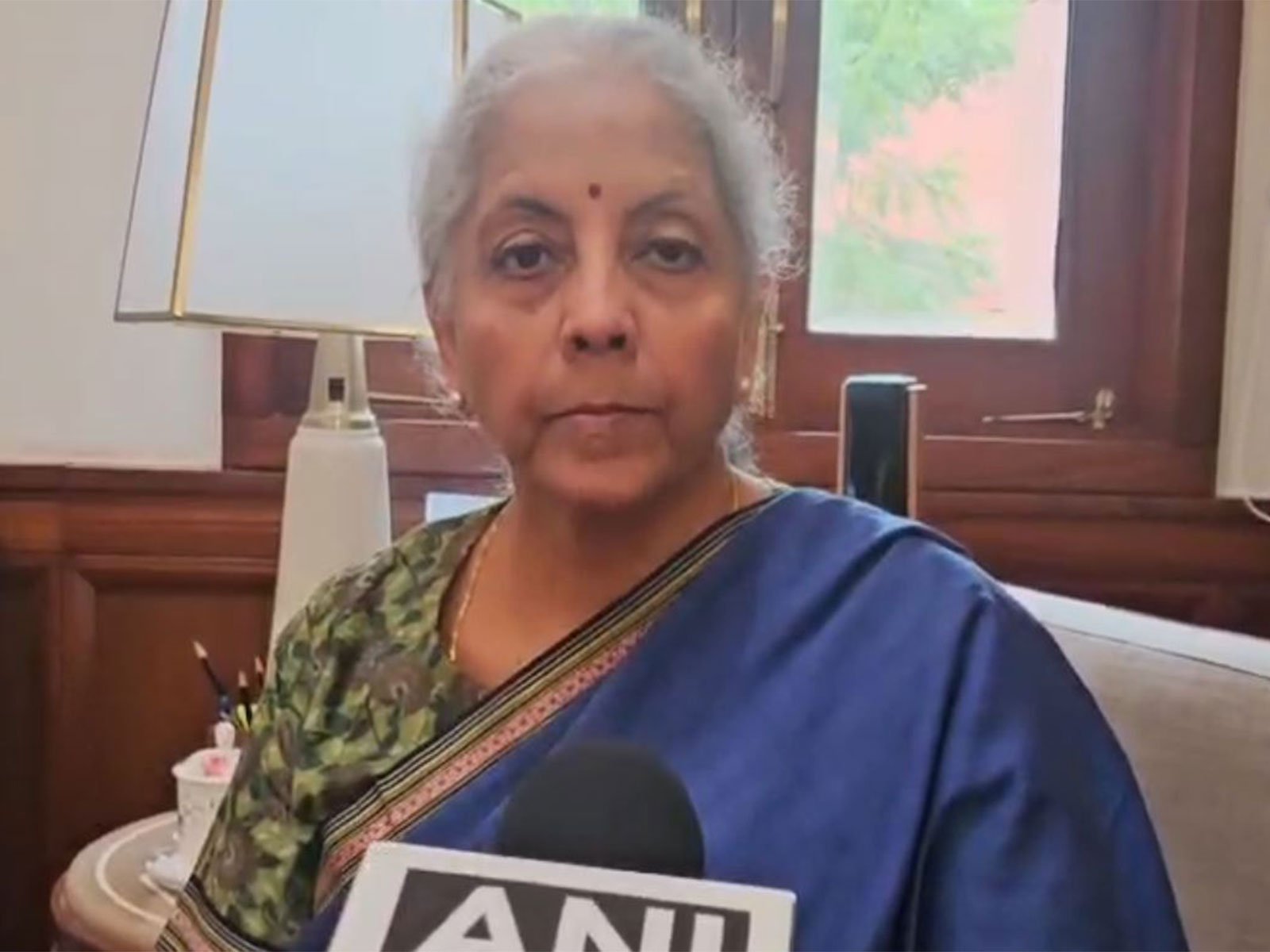
New Delhi, India | March 27, 2026
Union Finance Minister Nirmala Sitharaman on Friday stated that the government’s decision to cut excise duties on petrol and diesel was driven by Prime Minister Narendra Modi’s clear directive to ensure that fuel prices do not increase for consumers.
Government Focused on Protecting Consumers
Sitharaman emphasized that the primary objective of the decision was to shield citizens from rising global crude oil prices triggered by the ongoing West Asia crisis.
She explained that the government stepped in to support oil marketing companies (OMCs), allowing them to absorb higher import costs without passing the burden onto the public.
Swift Decision Taken at Highest Level
The Finance Minister revealed that the Prime Minister convened an emergency meeting on the occasion of Ram Navami to address the situation.
Following the discussion, both the Finance Ministry and the Petroleum Ministry worked overnight to finalize the decision, ensuring a quick response to global price volatility.
Ensuring Fuel Availability Across India
Sitharaman highlighted that the move also aims to prevent any disruption in fuel supply.
She noted that rising international prices could discourage oil companies from purchasing crude oil. However, with government support:
- Oil companies will continue procurement
- Fuel availability will remain stable
- Consumers will receive petrol and diesel without shortages
Excise Duty Cuts and ATF Export Policy
The government has:
- Reduced excise duty on petrol to ₹3 per litre
- Removed excise duty on diesel
- Imposed ₹21.5/litre windfall tax on diesel exports
Additionally, excise duty on Aviation Turbine Fuel (ATF) exports has been increased to ensure domestic availability, encouraging refineries to prioritize supply within India.
Global Crisis Driving Fuel Price Surge
The decision comes amid a global energy crisis linked to tensions involving the United States, Israel, and Iran.
The blockade of the Strait of Hormuz has significantly disrupted oil supply, impacting global prices. India previously sourced 12–15% of its crude oil through this critical route.
The government’s decision reflects a strong commitment to protecting consumers from global price shocks while ensuring uninterrupted fuel supply. By balancing economic pressures and public welfare, the move aims to maintain stability during a challenging global energy scenario.
About The Author