

 admin
admin 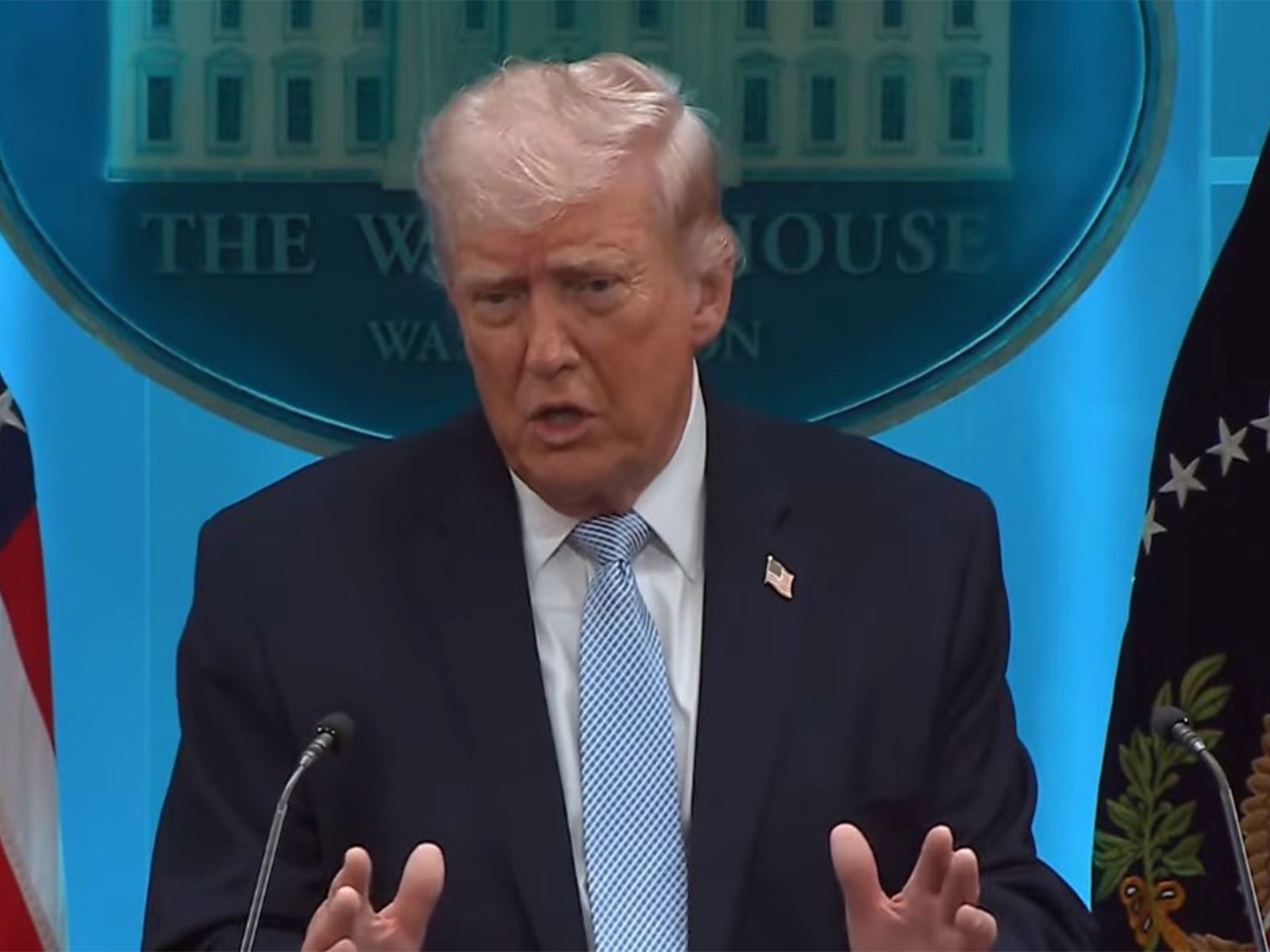
Washington DC, April 7, 2026:
A new report by the Atlantic Council has warned that proposed strikes on Iran’s civilian infrastructure could cause severe humanitarian crises while offering little strategic military advantage.
Civilian Infrastructure Not a Military Target
The report, authored by Joseph Webster and Ginger Matchett, argues that targeting power plants, water systems, and energy facilities would primarily harm civilians rather than weaken Iran’s military.
“Destroying Iran’s civilian energy and water infrastructure would likely only prolong and escalate the conflict.”
Experts noted that Iran’s military largely relies on independent power systems, meaning national grid disruptions would have minimal impact on defense capabilities.
Risk of Humanitarian Crisis
The report highlights the dangerous water-energy nexus in Iran:
- Electricity powers water supply systems
- Damage to grids could cut off drinking water access
- Increased risk of disease outbreaks
Potential Consequences:
- Spread of waterborne diseases
- Shortage of food and clean water
- Increased mortality, especially among children
Historical comparisons were made to the Gulf War, where infrastructure damage led to major health crises and civilian deaths.
Impact on Essential Services
The report warns that infrastructure strikes could cripple:
- Hospitals and healthcare systems
- Food storage and refrigeration
- Cooling systems in extreme climates
This could result in widespread civilian suffering and increased fatalities.
Geopolitical and Strategic Risks
The analysis suggests that such strikes may backfire strategically:
- Could turn Iranian public opinion against the US
- Risk unifying citizens against an external threat
- Potential loss of support from Gulf allies
Additionally, retaliatory strikes could target regional water systems, including desalination plants critical to Middle Eastern countries.
Global Energy Crisis Warning
The report also cautions that attacks on Iran’s oil and gas infrastructure could trigger:
- A major global energy crisis
- Disruption of supply chains
- Potential global economic downturn
The situation is further complicated by tensions around the Strait of Hormuz, a key channel for global oil transport.
Context: Rising US-Iran Tensions
The warning comes amid strong rhetoric from Donald Trump, who has threatened large-scale strikes if Iran fails to meet US demands by a set deadline.
“The entire country could be taken out in one night,” Trump said, underlining the seriousness of the situation.
Why This Matters
- Highlights humanitarian risks of modern warfare
- Raises concerns over civilian safety
- Signals possible global economic impact
- Emphasizes importance of strategic decision-making
The Atlantic Council report underscores that targeting civilian infrastructure in Iran could have devastating consequences far beyond military objectives. As tensions escalate, the findings stress the urgent need for diplomatic solutions over destructive escalation.
About The Author