
 admin
admin 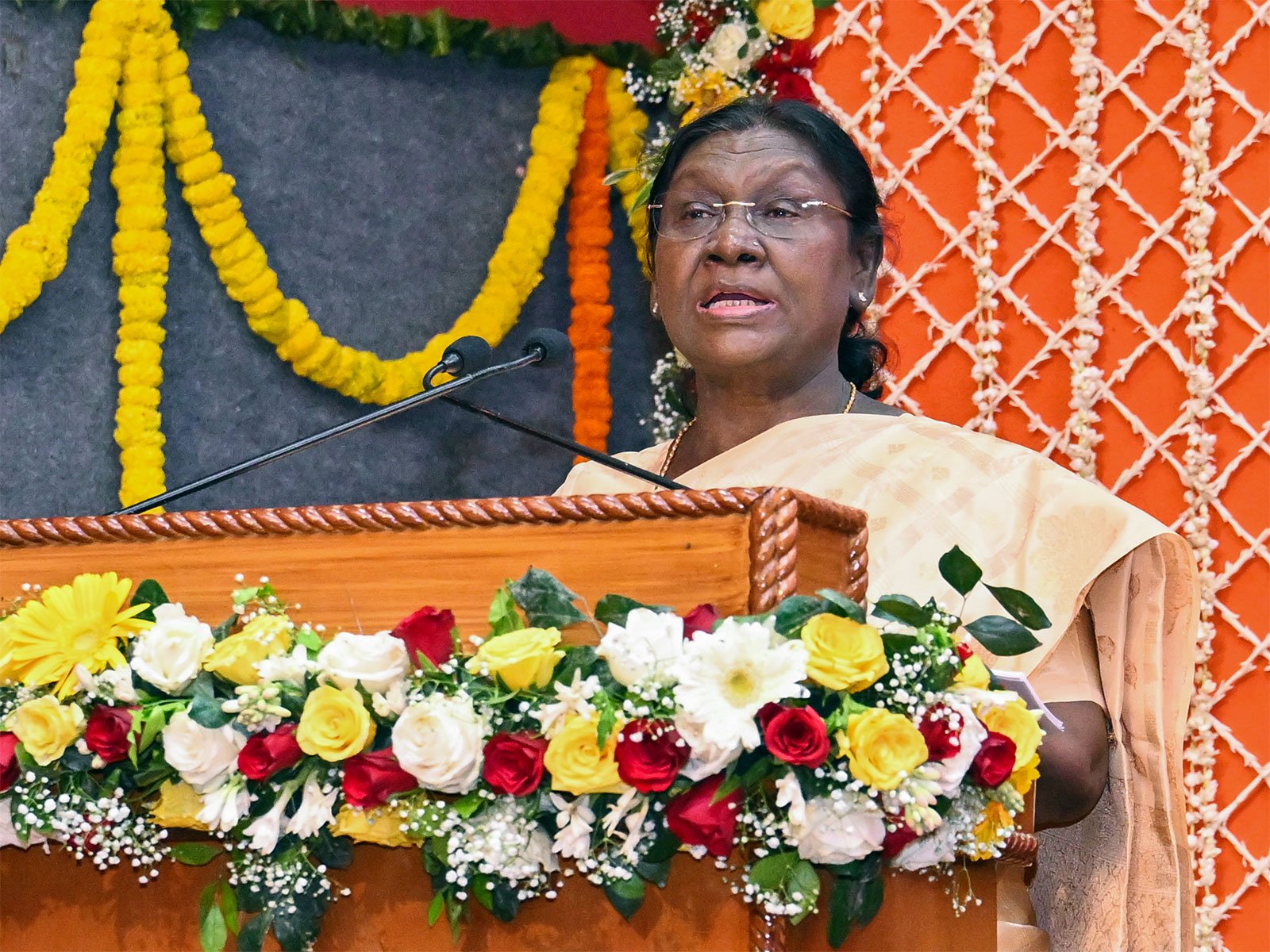
New Delhi, April 9, 2026: More than 50 academicians and scholars have written to President Droupadi Murmu, urging her to intervene in the NCERT Class 8 textbook ban and calling the move “judicial overreach.”
Supreme Court Action Triggers Debate
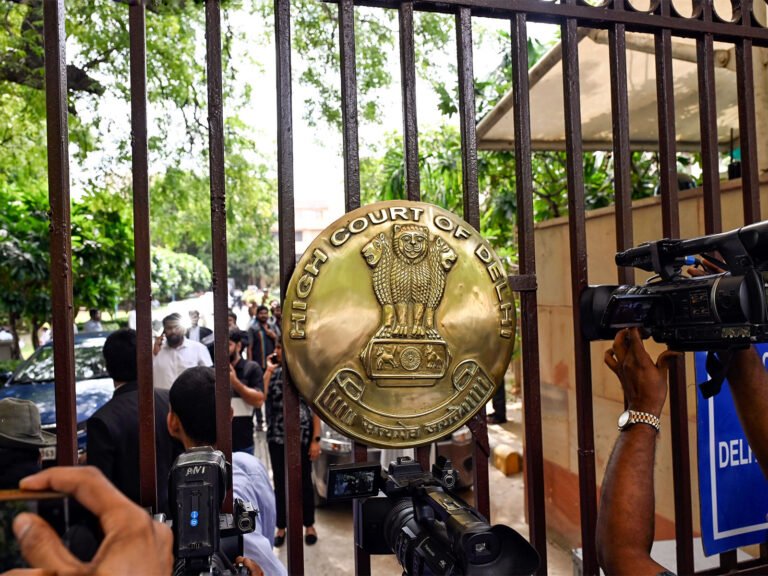
The controversy began when the Supreme Court of India took suo motu action on February 26 and banned parts of the NCERT textbook “Exploring Society: India and Beyond.” The court objected to a chapter discussing the judiciary and issued notices for criminal contempt.
As a result, the decision has sparked widespread concern among educators and scholars.
Academicians Raise Strong Objections
The signatories strongly argue that the court’s decision limits academic freedom. They believe that such actions restrict open discussion and prevent educators from analyzing content objectively.
Moreover, they emphasize that education experts—not courts—should decide curriculum matters.
Punitive Actions Face Criticism
In addition, authorities identified three members of the textbook development team and directed institutions to disassociate from them.
However, scholars claim that these actions violate natural justice because officials did not give the individuals a fair chance to present their side. Consequently, this raises concerns about their employment and professional rights.
Impact on Students and Learning Environment
Furthermore, banning the entire textbook has created difficulties for students across the country. It has disrupted learning and created confusion in classrooms.
At the same time, educators now feel hesitant to engage in open discussions, which may discourage critical thinking.
NEP 2020 and Curriculum Concerns
Importantly, scholars highlight that the textbook aligns with the National Education Policy (NEP) 2020 and the National Curriculum Framework (NCF-SE) 2023.
They argue that the content promotes analytical thinking and civic awareness, which are essential for modern education.
Key Demands to the President
Therefore, the academicians have requested immediate action. They have urged the President to:
- Ask the Ministry of Education to withdraw the ban
- Allow publication of the textbook without the disputed chapter
- Revoke punitive actions against the authors
- Include diverse academic voices in the review process
Overall, this issue has intensified the debate over academic freedom and judicial intervention in India. While the court aims to address concerns, scholars insist that protecting educational autonomy remains equally important.
Now, all eyes remain on the government’s response and the President’s decision.
About The Author