
 admin
admin 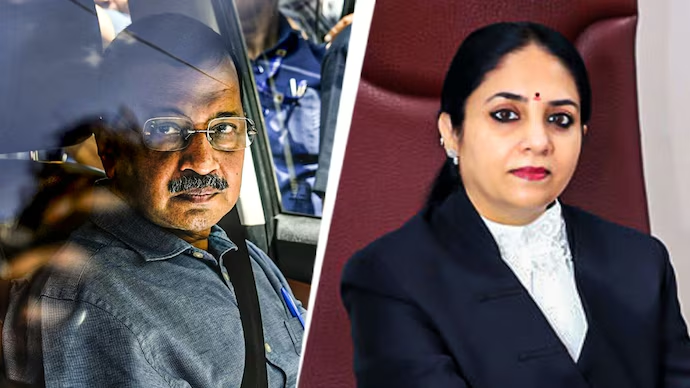
New Delhi, India – April 14, 2026
A dramatic courtroom exchange between Arvind Kejriwal and Delhi High Court judge Justice Swarana Kanta Sharma in the high-profile Delhi liquor policy case has gone viral, sparking intense legal and political debate across the country.
The exchange, which unfolded during hearings on a Central Bureau of Investigation (CBI) plea, has drawn attention due to the sharp arguments presented by both sides regarding judicial impartiality, fairness, and due process.
Background: What Is the Liquor Policy Case?
The controversy stems from the now-scrapped Delhi excise policy, which was introduced in 2021–22. Investigating agencies like the CBI and Enforcement Directorate (ED) alleged irregularities, favoritism, and corruption in the implementation of the policy.
However, in February 2026, a trial court discharged Kejriwal and several others, stating that the case lacked sufficient evidence and did not meet the threshold for trial.
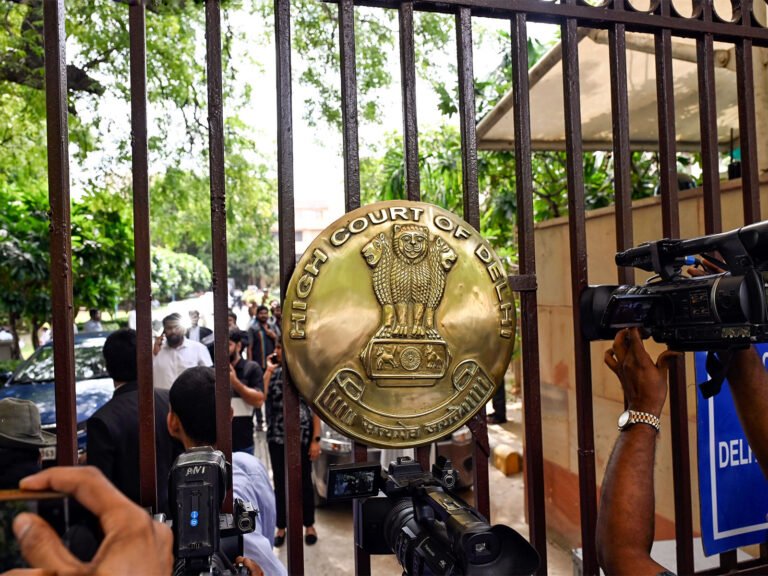
Despite this, the CBI challenged the discharge in the Delhi High Court, leading to fresh hearings—and the now-viral courtroom exchange.
What Did Arvind Kejriwal Say?
During the hearing, Kejriwal personally addressed the court and made several strong observations, questioning the fairness of the proceedings.
Key Statements by Kejriwal:
- He expressed fear of bias, stating he was not confident of receiving a fair hearing.
- He argued that the court’s earlier observations and orders appeared to favour investigative agencies.
- In a controversial remark, he pointed out that the judge had allegedly attended events linked to the RSS (Rashtriya Swayamsevak Sangh) multiple times, raising concerns about impartiality.
- He listed multiple reasons—reportedly around 10 points—to justify his request for the judge’s recusal.
Kejriwal’s arguments essentially revolved around the idea that even a perception of bias could undermine the fairness of the judicial process.
What Did the Judge Say?
Justice Swarana Kanta Sharma responded firmly to the allegations, maintaining the integrity of the judicial process.
Key Observations from the Judge:
- She noted that such a recusal request was unprecedented in her judicial career, indicating the seriousness of the situation.
- The court reserved its order on whether she would step aside from the case.
The judge did not immediately accept or reject the claims but chose to carefully consider the request, highlighting the sensitivity of the matter.
What Did the Government’s Legal Side Say?
The Centre’s legal representative, Solicitor General Tushar Mehta, strongly opposed Kejriwal’s plea.
Key Arguments by Tushar Mehta:
- He described the recusal request as “motivated and juvenile.”
- Suggested that the plea lacked merit and could be an attempt to influence or delay proceedings.
This sharp rebuttal added to the intensity of the courtroom exchange, making it a widely discussed moment in legal circles.
The Viral Moment: Why It’s Trending
The exchange went viral due to:
- A rare instance of a political leader directly questioning a judge in open court
- Allegations involving ideological bias
- Strong language used by both sides
- The high-profile nature of the case involving a former Chief Minister
Social media platforms quickly picked up snippets of the exchange, turning it into a trending topic nationwide.
Legal Significance of the Recusal Plea
A recusal plea is a legal request asking a judge to step aside from a case due to potential bias or conflict of interest.
In this case, Kejriwal argued that:
- Judicial remarks appeared pre-judged
- Procedural fairness may have been compromised
- There was a reasonable apprehension of bias
Legal experts note that recusal is not about proving actual bias but about ensuring public confidence in the judicial system.
Political Reactions and Implications
The exchange has triggered strong reactions across political lines:
- Supporters of Kejriwal argue it reflects concerns about misuse of agencies
- Critics claim it is an attempt to undermine the judiciary
The case continues to be a major flashpoint between political parties, especially given its history and implications.
Timeline of the Case So Far
- 2022: Delhi liquor policy introduced
- 2024: Kejriwal arrested by ED over alleged irregularities
- February 2026: Trial court discharges Kejriwal and others
- March 2026: CBI challenges discharge in High Court
- April 2026: Viral Kejriwal–judge exchange during hearing
Why This Case Matters
The Delhi liquor policy case is not just a legal matter—it has broader implications for:
- Political accountability
- Judicial independence
- Public trust in institutions
The current developments highlight the delicate balance between law, politics, and perception.
About The Author