
 admin
admin 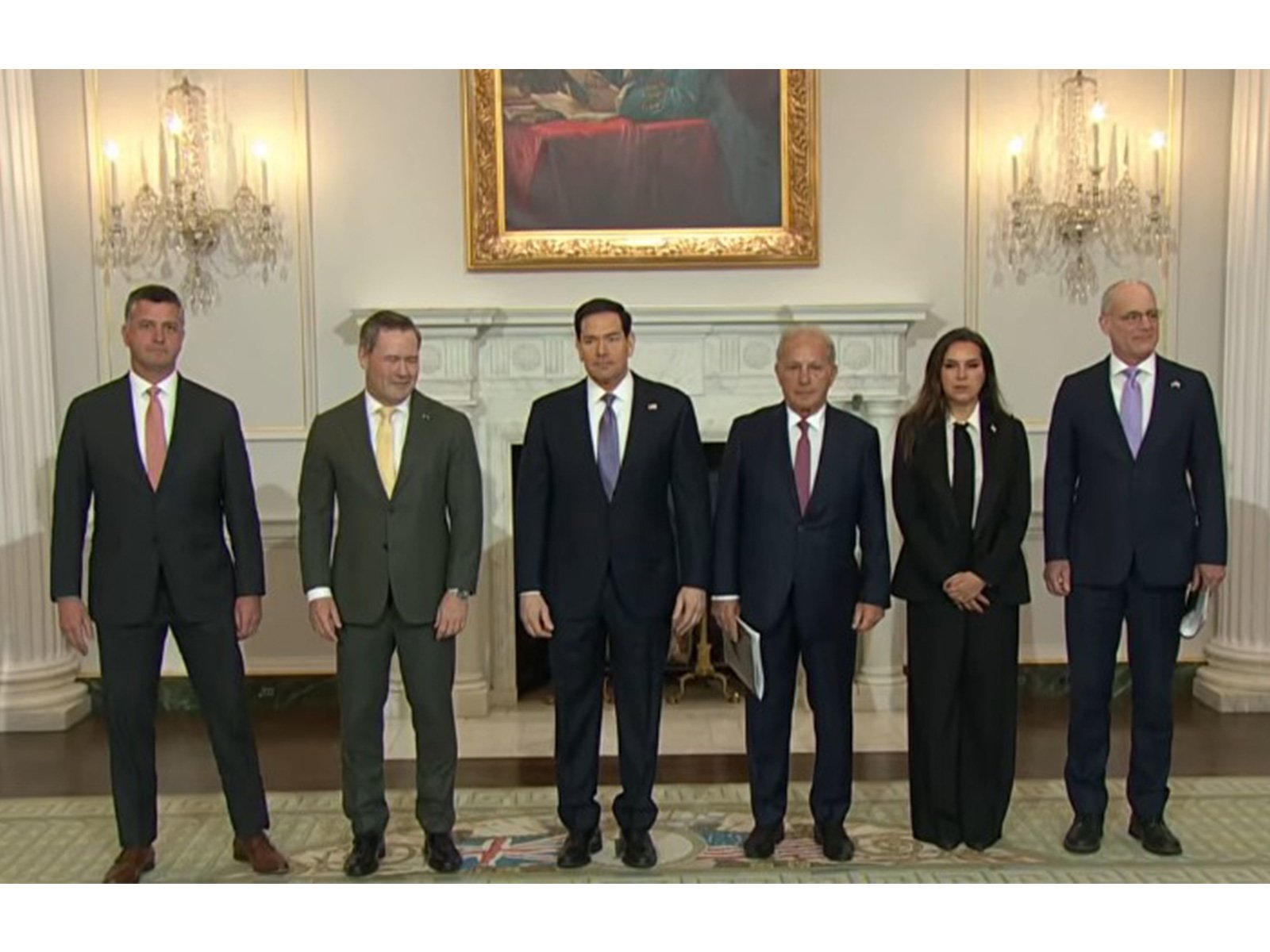
Washington DC [US], April 15, 2026 – In a significant diplomatic breakthrough, the United States hosted a high-level trilateral meeting with Israel and Lebanon, marking the first such engagement between the two nations since 1993. The talks aimed at initiating direct negotiations, focusing on ceasefire efforts, regional security, and laying the groundwork for a long-term peace framework.
Historic Diplomatic Engagement After Three Decades
The meeting represents a major milestone in Middle Eastern diplomacy, as it brings together two nations that have had a long history of conflict and limited direct engagement. The last time such high-level talks occurred was over 30 years ago, making this development particularly noteworthy.
Officials from all three sides expressed willingness to move forward with dialogue, signaling a potential shift toward de-escalation in a region often marked by volatility.
The United States Department of State described the meeting as “historic” and emphasized its importance in fostering stability and cooperation in West Asia.
Key Leaders and Delegations Present
The high-level meeting included prominent diplomatic figures from all three nations:
- Marco Rubio – Representing the United States
- Michael Needham – Senior US official
- Lisa A Johnson
- Yechiel Leiter
- Nada Hamadeh Moawad
Their participation highlights the seriousness of the initiative and the commitment of all parties to engage in constructive dialogue.
Focus on Ceasefire and Security Cooperation
One of the central themes of the discussions was achieving a ceasefire and ensuring long-term security in the region. The talks emphasized:
- Ending ongoing hostilities
- Strengthening border security
- Enhancing coordination between governments
- Preventing future escalations
The United States reiterated that any ceasefire agreement must be reached directly between Israel and Lebanon, with Washington acting as a mediator rather than allowing separate negotiation tracks.
Addressing the Role of Armed Groups
A key point of contention remains the presence of non-state armed groups, particularly Hezbollah.
The State of Israel reaffirmed its demand for:
- Disarmament of all non-state armed factions
- Dismantling of militant infrastructure in Lebanon
Israel emphasized that these steps are essential for ensuring the safety and security of its citizens.
Meanwhile, Lebanon acknowledged the need to restore state authority and maintain a monopoly over the use of force, signaling alignment with broader international expectations.
Lebanon Highlights Humanitarian Concerns
During the talks, Lebanon underscored the urgent humanitarian crisis resulting from ongoing conflict.
Lebanese officials called for:
- Immediate ceasefire implementation
- Protection of civilians
- Restoration of infrastructure
- International support for recovery
They also emphasized the importance of respecting territorial integrity and national sovereignty while addressing the humanitarian needs of the population.
Economic Recovery and Reconstruction Opportunities
The United States highlighted the potential economic benefits of a successful peace agreement.
According to officials, a ceasefire and peace framework could unlock:
- International reconstruction assistance for Lebanon
- Increased foreign investment opportunities
- Economic cooperation between the two nations
- Regional trade expansion
This economic dimension adds further incentive for both sides to pursue a peaceful resolution.
Moving Beyond the 2024 Agreement
The talks are expected to build upon the cessation of hostilities agreement announced in November 2024. However, US officials expressed hope that the new negotiations would go beyond previous frameworks.
The goal is to establish a comprehensive and durable peace agreement that addresses not only immediate security concerns but also long-term political and economic stability.
Agreement to Launch Direct Negotiations
One of the most important outcomes of the meeting was the mutual agreement to begin direct negotiations.
All parties agreed to:
- Set a mutually acceptable time and venue
- Continue diplomatic engagement
- Work toward resolving outstanding issues
This commitment marks a critical step forward, as direct dialogue between Israel and Lebanon has historically been limited.
Strategic Significance for the Region
The renewed dialogue carries major implications for the broader West Asia region:
1. Reduced Risk of Conflict
Direct negotiations could help prevent further military escalation.
2. Strengthened Diplomatic Channels
Regular communication can build trust and reduce misunderstandings.
3. Regional Stability
A peace agreement could influence neighboring countries and reduce tensions.
4. Global Impact
Stability in the region could positively affect global markets and international relations.
Challenges Ahead
Despite the optimism, several challenges remain:
- Deep-rooted mistrust between the two nations
- Complex political dynamics within both countries
- Influence of non-state actors like Hezbollah
- Humanitarian and economic pressures in Lebanon
Overcoming these obstacles will require sustained diplomatic effort and international support.
What Comes Next?
The next phase will involve formalizing the negotiation process and addressing key issues such as:
- Border disputes
- Security arrangements
- Disarmament of militant groups
- Economic cooperation
Observers believe that continued US mediation will be crucial in maintaining momentum.
The United States-hosted talks between Israel and Lebanon mark a historic step toward peace after more than three decades. While significant challenges remain, the willingness of all parties to engage in dialogue offers hope for a more stable and prosperous future in West Asia.
If successful, these negotiations could redefine regional dynamics and set a precedent for resolving long-standing conflicts through diplomacy.
About The Author