
 admin
admin 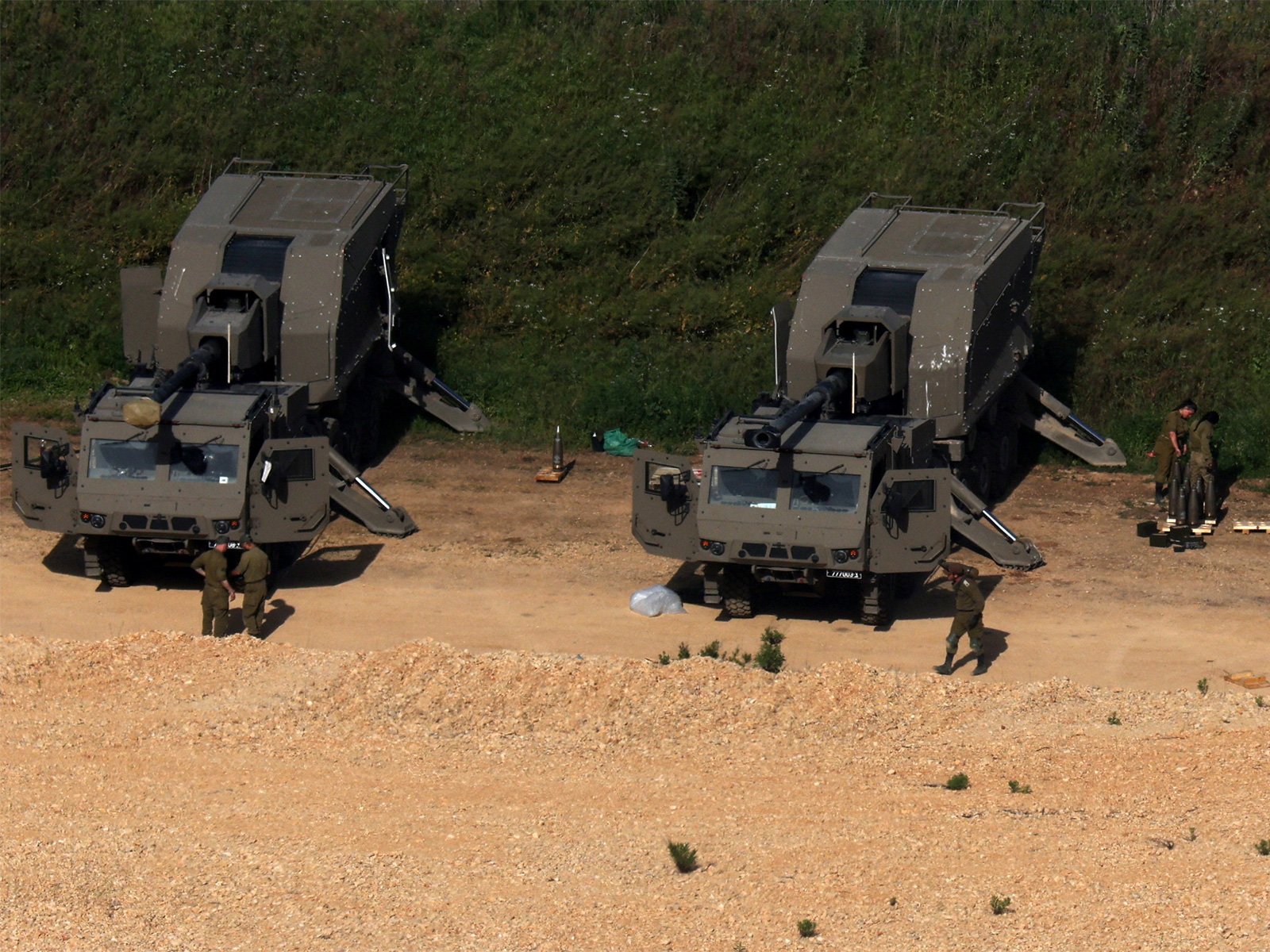
Beirut, Lebanon | April 17, 2026
Fresh ceasefire violations have raised serious concerns in Lebanon after reports of Israeli artillery shelling and aerial surveillance surfaced shortly after a truce between Israel and Hezbollah came into effect. The developments highlight the fragile nature of the agreement and the ongoing tensions in the region.
According to multiple reports, Israeli forces continued military operations in southern Lebanon, despite the ceasefire announcement. As a result, fears of renewed escalation have intensified across the region.
Shelling and Military Activity Continue
Reports indicate that Israeli artillery targeted the towns of Khiam and Dibbine in southern Lebanon. In addition, machinegun fire occurred during sweeping operations, creating panic among local residents.
Meanwhile, surveillance aircraft activity increased over the western Bekaa Valley. Reconnaissance flights were observed above the Rashaya region and the slopes of Jabal al-Sheikh. These developments suggest that military operations remain active despite the ceasefire.
Furthermore, these actions have raised questions about the implementation and enforcement of the truce.
Israeli Military Issues Warning
The Israeli military issued a strong advisory to civilians in southern Lebanon. Military spokesperson Avichay Adraee urged residents to avoid moving south of the Litani River.
He stated that Israeli troops continue to remain deployed in the region. According to him, the presence of forces is necessary due to ongoing threats from Hezbollah.
He said, “For your safety and the safety of your family members, you are requested not to move south of the Litani River until further notice.”
This warning reflects the tense ground situation and the lack of stability even after the ceasefire agreement.
UN Calls for Respect of Ceasefire
UN Secretary-General António Guterres welcomed the ceasefire and urged all parties to respect it fully. He emphasized the importance of international law and long-term peace efforts.
Guterres stated that the ceasefire could open doors for future negotiations. Moreover, he highlighted the role of the United States in facilitating the agreement.
He also urged all sides to avoid actions that could escalate tensions further. Therefore, global leaders continue to push for restraint and dialogue.
Regional Support for the Ceasefire
Several countries in the Middle East have supported the ceasefire agreement. For instance, Jordan welcomed the move and praised Lebanon’s leadership, including President Joseph Aoun.
Jordan also reaffirmed its support for Lebanon’s sovereignty. In addition, it stressed that weapons should remain under state control to ensure long-term stability.
Similarly, the United Arab Emirates supported the ceasefire and emphasized diplomacy. The UAE stated that the agreement could create a positive environment for regional peace.
These responses show that regional stakeholders prefer diplomatic solutions over military escalation.
Fragile Truce Raises Concerns
Despite international support, the situation on the ground remains unstable. Continued shelling and surveillance activities suggest that the ceasefire is fragile and may not hold without strict enforcement.
Moreover, the presence of armed forces and ongoing warnings indicate that tensions remain high. Therefore, any further violation could quickly escalate into a larger conflict.
Impact on Civilians
The ongoing situation has created uncertainty among civilians in southern Lebanon. Many residents fear displacement and further violence due to continued military activity.
Additionally, restricted movement near the Litani River has disrupted daily life. As a result, humanitarian concerns are growing in the affected areas.
What Lies Ahead?
The coming days will be crucial for the future of the ceasefire. If both sides adhere to the agreement, it could lead to long-term peace negotiations.
However, continued violations could undermine diplomatic efforts. Therefore, global pressure and monitoring will play a key role in maintaining stability.
The ceasefire between Israel and Hezbollah faces immediate challenges as fresh violations emerge in Lebanon. While global leaders, including António Guterres, have called for restraint, the situation remains tense on the ground.
Sustained peace will depend on strict compliance, diplomatic engagement, and international cooperation. Until then, the region continues to walk a fine line between fragile peace and renewed conflict.
About The Author