
 admin
admin 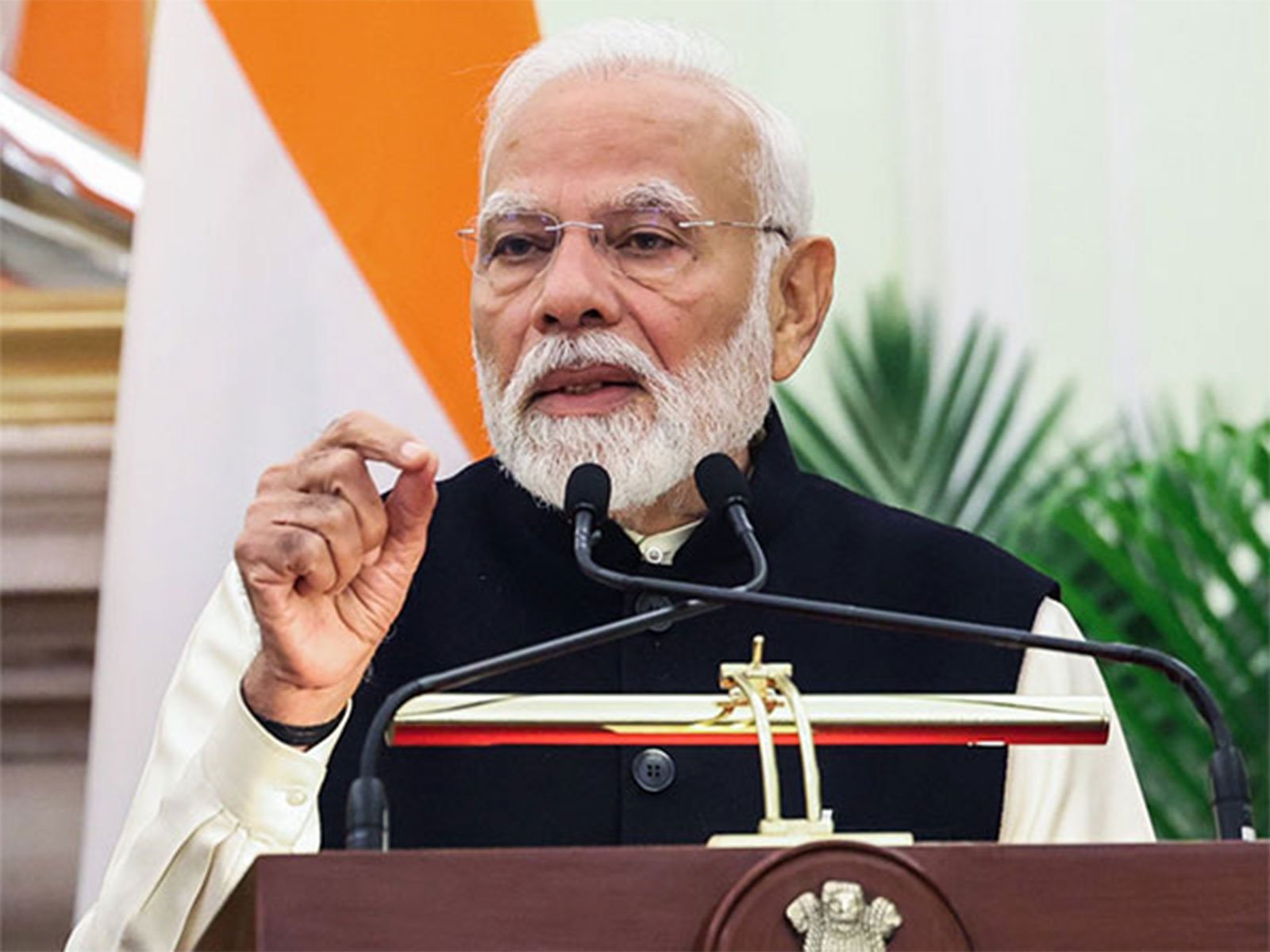
Location: New Delhi, India
Date: April 17, 2026
A Historic Appeal for Women’s Political Empowerment
In a strong and emotionally resonant appeal, Prime Minister Narendra Modi has called upon all Members of Parliament of India to rise above political differences and unanimously pass the landmark Women’s Reservation Bill, officially known as the Nari Shakti Vandan Adhiniyam.
Addressing lawmakers through a message on social media platform X, the Prime Minister described the upcoming vote as a defining moment for Indian democracy, urging MPs to reflect not as politicians but as individuals connected to women in their personal lives.
“Reflect on Women in Your Life”: PM Modi’s Message
Prime Minister Modi emphasized the emotional and moral responsibility of lawmakers, stating that they should consider the impact of this legislation on the women in their families and society at large.
He said the bill presents a historic opportunity to correct long-standing gender imbalances in India’s political representation. By ensuring greater participation of women in governance, the move is expected to strengthen democratic values and inclusivity.
The Prime Minister’s appeal highlighted that women constitute nearly half of India’s population, and empowering them politically is essential for the nation’s progress.
What is the Women’s Reservation Bill?
The Nari Shakti Vandan Adhiniyam seeks to reserve 33% of seats in:
- Lok Sabha
- State Legislative Assemblies
This means that one-third of all legislative seats will be allocated exclusively for women, marking a transformative step in India’s political landscape.
The bill aims to:
- Increase women’s representation in decision-making
- Promote gender equality in governance
- Encourage more women to enter politics
- Strengthen inclusive democracy
Key Legislative Changes Introduced by the Government
To implement the reservation effectively, the Union Government has introduced three major bills:
1. Constitution (131st Amendment) Bill, 2026
This bill proposes significant changes to India’s constitutional framework:
- Expands the Lok Sabha strength from 550 to 850 seats
- Allocates 815 seats to states and 35 to Union Territories
- Amends Article 81 to redefine representation norms
- Removes mandatory seat readjustment after every Census
2. Delimitation Bill, 2026
This bill enables:
- Fresh delimitation of constituencies
- Use of updated Census data (likely 2011 Census)
- Formation of a new Delimitation Commission
- Legally binding decisions on seat allocation
3. Union Territories Laws (Amendment) Bill, 2026
This bill ensures that the reservation policy is also implemented across Union Territories.
Delimitation and Its Impact on Representation
The delimitation process plays a crucial role in implementing the Women’s Reservation Bill. It involves redrawing constituency boundaries to ensure fair representation based on population.
The government’s proposal to decouple delimitation from the post-2026 Census allows the process to proceed using existing data, accelerating implementation.
However, this move has sparked debates regarding:
- Fairness in representation
- Impact on southern states
- Federal balance
Critics argue that population-based seat allocation may disadvantage states that have successfully controlled population growth.
Special Session of Parliament Convened
To fast-track the passage of this historic legislation, the government has convened a special session of Parliament from April 16 to 18, 2026.
The objective of this session is to:
- Debate the constitutional amendment
- Achieve consensus among political parties
- Pass the Women’s Reservation Bill
The Prime Minister has urged all MPs to support the bill unanimously, stating that such unity would send a powerful message of commitment to gender equality.
Implementation Timeline: Targeting 2029 Elections
The government aims to implement the reservation policy in time for the 2029 general elections.
Key steps include:
- Completion of delimitation process
- Allocation of reserved seats
- Legal and administrative adjustments
Once these steps are completed, women will have guaranteed representation in legislative bodies across the country.
Constitutional Amendments and Legal Framework
The bill requires:
- A special majority in Parliament
- Ratification by at least half of India’s states
It also amends several constitutional provisions, including:
- Article 81 (Lok Sabha composition)
- Article 82 (Delimitation)
- Article 170 (State Assemblies)
- Article 334A (Reservation provisions)
These changes are designed to ensure a smooth and legally sound implementation of the reservation policy.
Challenges and Concerns
While the bill has been widely welcomed, several concerns have been raised:
1. Federal Balance
Some states fear that delimitation based on population may reduce their representation.
2. Political Dynamics
Reservation may alter electoral strategies and power structures within political parties.
3. Implementation Delays
The need for delimitation and constitutional amendments may delay actual implementation.
Despite these challenges, the bill is seen as a progressive step toward inclusive governance.
A Turning Point for Indian Democracy
The Women’s Reservation Bill represents a significant milestone in India’s democratic journey. If passed, it will:
- Empower millions of women
- Strengthen democratic institutions
- Promote gender equality
- Inspire future generations
Prime Minister Modi’s call to “create history” reflects the magnitude of this moment.
As Parliament debates the Women’s Reservation Bill, the nation stands at a crossroads. The decision taken during this special session will shape the future of political representation in India.
With strong backing from the government and growing public support, the bill has the potential to transform India’s political landscape and set a global example for gender-inclusive governance.
About The Author