

 admin
admin 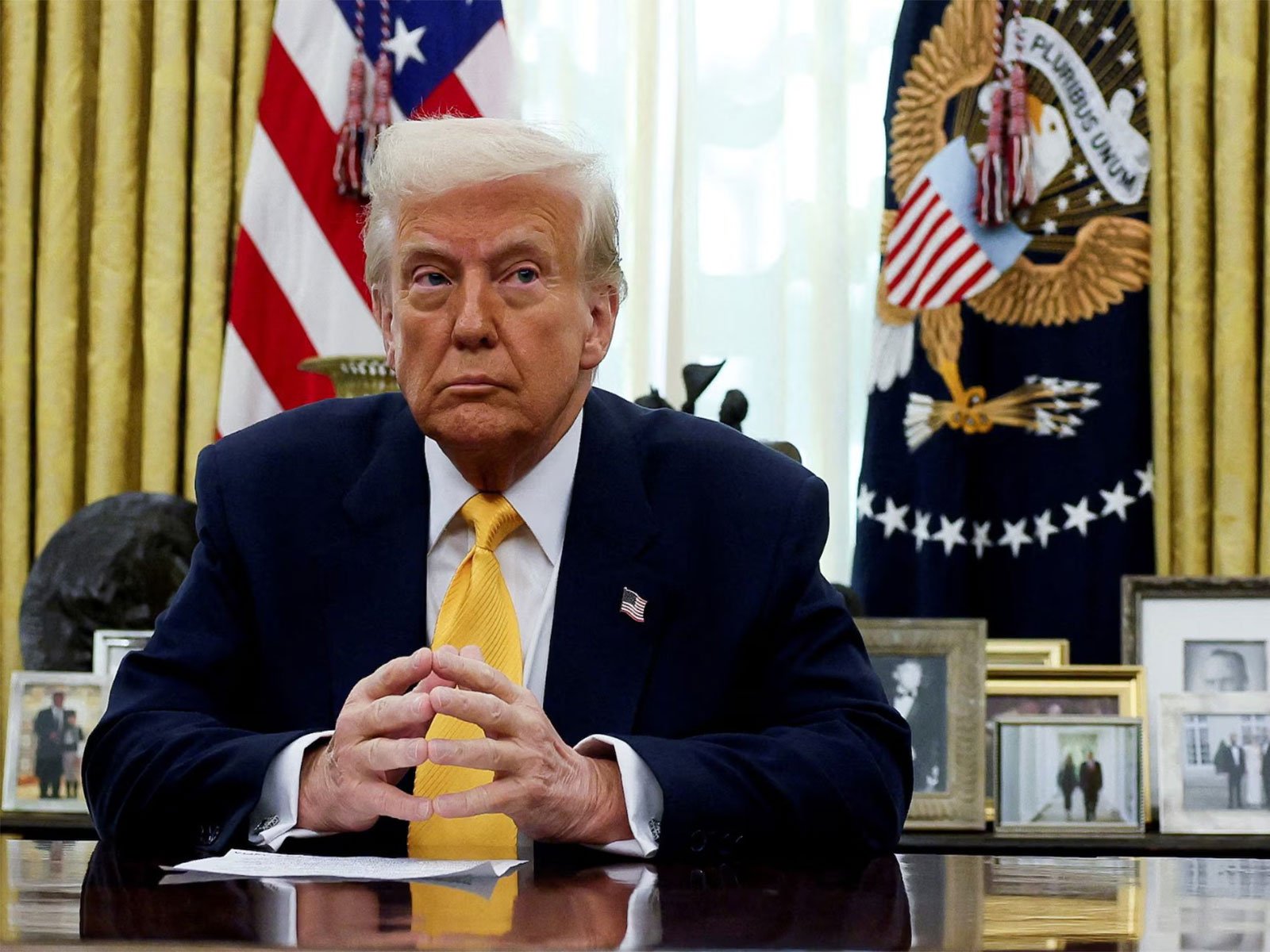
Washington DC, April 22
The United States has issued a strong message to Iran, stating that the ongoing ceasefire will not remain open-ended. A senior US official told Axios that Tehran has been given a limited timeframe to present a unified proposal.
According to reports, US President Donald Trump has allowed only a short extension of three to five days. Therefore, Iran is under pressure to consolidate its internal positions and move forward with negotiations.
Limited Ceasefire Window for Iran
US officials emphasized that the ceasefire extension is temporary. It is meant to give Iran’s leadership time to unite and present a clear counteroffer.
One official told Axios that the ceasefire is not indefinite. Instead, it is a short window for diplomatic engagement.
As a result, Washington has made it clear that further action will depend on Iran’s response.
Pressure on Iran to Present Unified Proposal
According to the report, Iran’s leadership is currently divided. Therefore, the US is pushing Tehran to come forward with a unified negotiating position.
President Trump reportedly believes that Iran’s government is “seriously fractured.” Hence, the extension is designed to allow internal coordination.
However, the US has warned that failure to respond within the timeframe could lead to decisive action.
🇺🇸 Trump Extends Ceasefire Amid Requests
Meanwhile, President Trump confirmed that the ceasefire was extended after requests from Asim Munir and Shehbaz Sharif.
In a post on Truth Social, Trump stated that the US is willing to pause military action temporarily. However, this pause depends on Iran presenting a viable proposal.
“We have been asked to hold our attack until Iran’s leadership comes up with a unified proposal,” Trump said.
Therefore, the ceasefire remains conditional and time-bound.
US Military Remains on High Alert
Despite the ceasefire extension, the US military continues to remain prepared.
Trump has directed the military to maintain its blockade and stay ready for any developments. This indicates that the situation remains tense.
Moreover, Washington has not ruled out further action if negotiations fail.
Fragile Ceasefire and Rising Tensions
The ceasefire, which was brokered earlier this month, remains fragile.
Both sides have expressed concerns regarding its implementation. Therefore, the situation continues to evolve rapidly.
Additionally, geopolitical tensions in the region have impacted global markets and diplomatic relations.
JD Vance Cancels Diplomatic Visit
In another major development, US Vice President JD Vance cancelled his planned diplomatic visit to Islamabad.
The visit was expected to focus on Iran-related negotiations. However, it has now been postponed indefinitely.
According to reports by The Wall Street Journal, this decision reflects uncertainty in ongoing talks.
Strategic Implications of US Move
The US decision to impose a deadline carries significant strategic implications.
Firstly, it increases pressure on Iran to act quickly. Secondly, it signals that Washington is not willing to prolong negotiations indefinitely.
Moreover, it shows a shift towards a more assertive diplomatic approach.
Global Impact and Diplomatic Reactions
The ongoing situation has drawn global attention.
Countries in the Middle East and beyond are closely monitoring developments. Furthermore, international markets have reacted to the uncertainty.
Therefore, the outcome of this limited ceasefire window could have wider geopolitical consequences.
Conclusion
The United States has made its position clear—time is limited for Iran to respond.
With a short ceasefire extension in place, Tehran must present a unified proposal quickly. Otherwise, the US may take further steps.
President Trump’s decision reflects a balance between diplomacy and military readiness. Meanwhile, the cancellation of JD Vance’s visit highlights ongoing uncertainty.
As tensions continue, the next few days will be crucial in determining the future of US-Iran relations.
About The Author