
 admin
admin 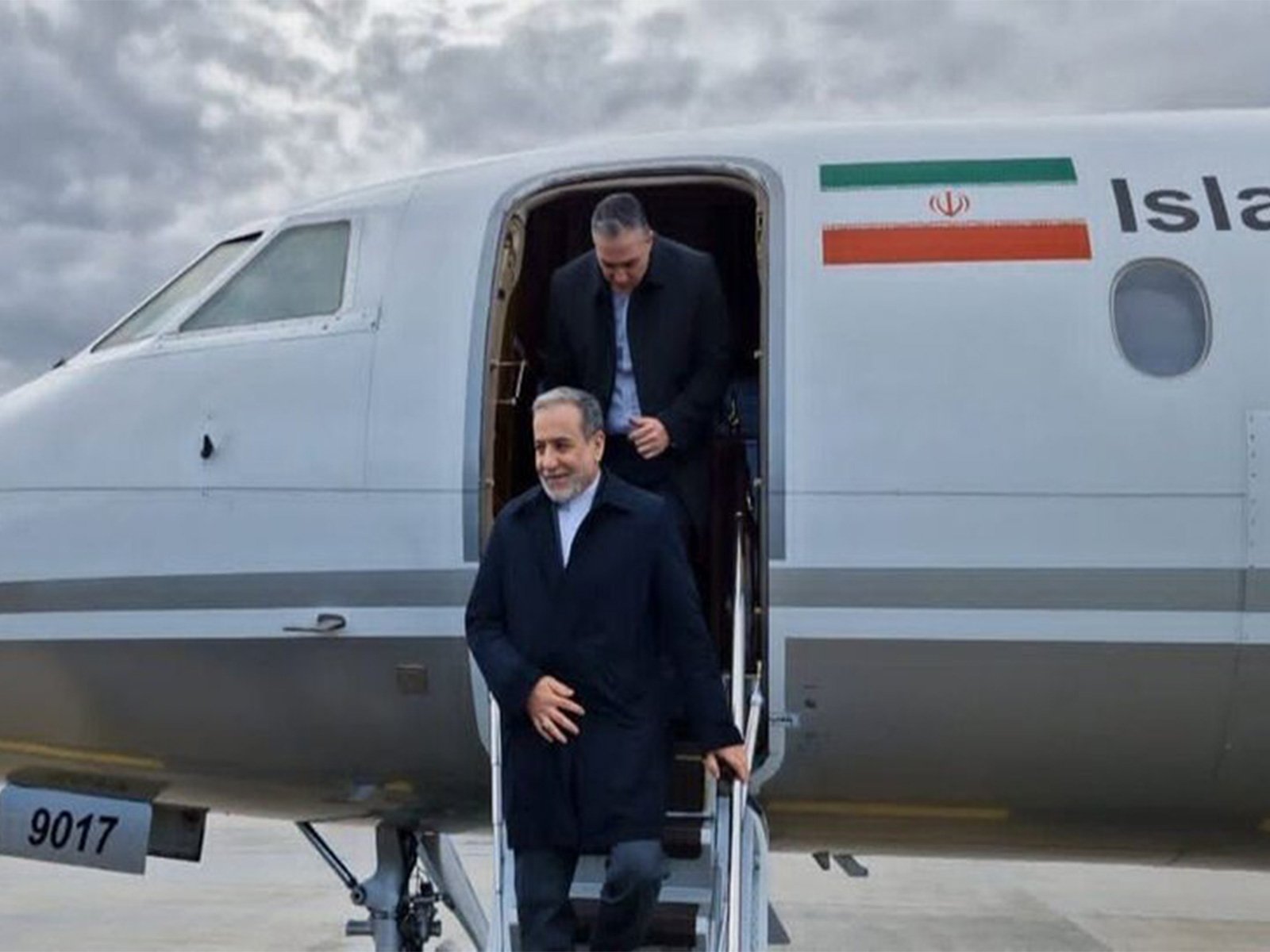
St Petersburg, Russia | April 27, 2026
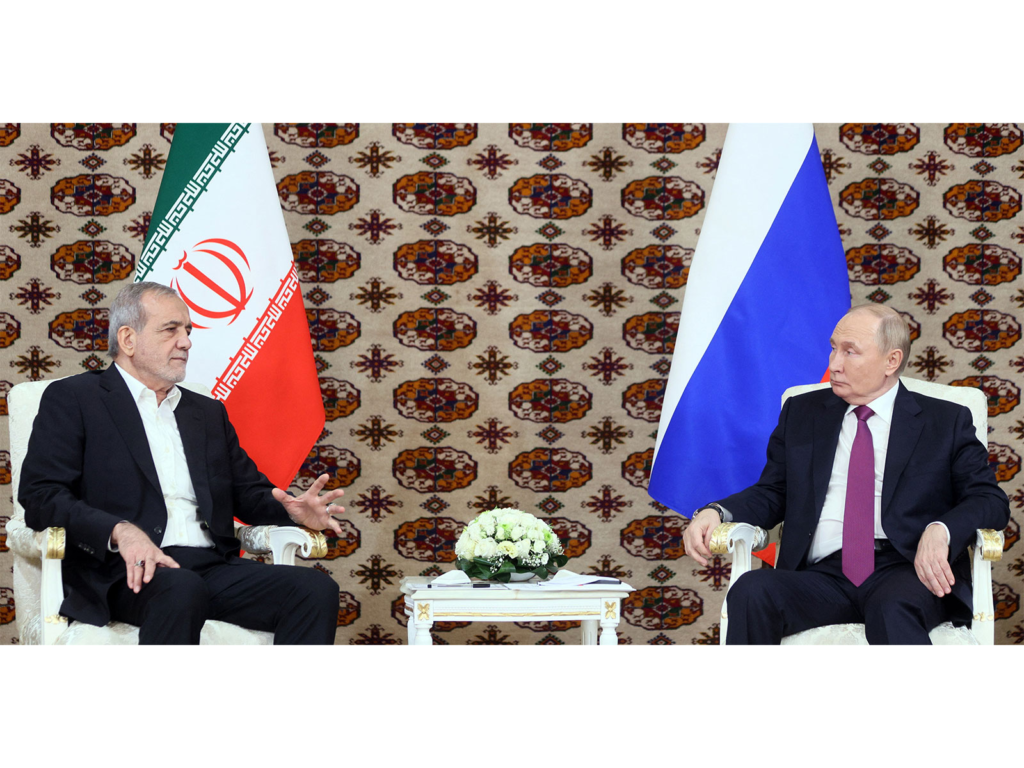
In a significant diplomatic development aimed at reducing tensions in the Middle East, Abbas Araghchi, Iran’s Foreign Minister, arrived in St Petersburg, Russia, to hold high-level talks with Russian President Vladimir Putin. The visit marks a critical step in Iran’s ongoing efforts to de-escalate regional conflicts and build international consensus around a proposed peace framework.
This strategic meeting comes amid heightened geopolitical tensions, particularly surrounding the Strait of Hormuz, nuclear negotiations, and escalating military hostilities involving global powers.
Araghchi’s Russia Visit: A Strategic Diplomatic Move
The arrival of Abbas Araghchi in St Petersburg highlights Iran’s renewed diplomatic push to address ongoing conflicts in the Middle East. According to Iran’s state media Islamic Republic News Agency, the visit follows a series of regional engagements, including high-level discussions in Oman and Pakistan.
Araghchi’s mission reflects Tehran’s broader strategy to engage key global players and build momentum for a ceasefire initiative. Russia, as a permanent member of the United Nations Security Council and a close ally of Iran, plays a pivotal role in shaping international responses to the crisis.
The diplomatic visit is expected to strengthen bilateral ties while addressing urgent regional challenges, including maritime security and economic sanctions.
Symbolism Behind the “Minab 168” Callsign
One of the most emotionally charged aspects of the visit was the designation of Araghchi’s flight callsign, “Minab 168.” The name commemorates children who were reportedly killed during a military strike in the southern Iranian city of Minab earlier this year.
This symbolic gesture underscores Iran’s attempt to highlight humanitarian concerns and gain global sympathy amid ongoing tensions. It also reflects Tehran’s narrative in international forums, where it has consistently criticized Western military actions in the region.
Agenda of Talks Between Iran and Russia
According to Kremlin spokesperson Dmitry Peskov, President Vladimir Putin is scheduled to hold detailed discussions with Araghchi focusing on:
- The current Middle East conflict
- Ceasefire negotiations
- Stability in the Strait of Hormuz
- Nuclear policy and international agreements
- Economic sanctions and trade routes
Iran’s Ambassador to Moscow, Kazem Jalali, emphasized that the talks would revolve around “regional developments and ongoing negotiations,” highlighting the urgency of diplomatic coordination.
These discussions are expected to produce strategic outcomes that could influence global diplomatic alignments.
Iran-Russia Alliance Strengthens Amid Global Tensions
The Iran-Russia partnership has grown significantly in recent years, particularly in areas of defense, energy, and regional diplomacy. Both nations share similar positions on several international issues, including opposition to Western sanctions and military interventions.
At the United Nations Security Council, Russia has often supported Iran by vetoing resolutions perceived as unfavorable to Tehran. Notably, Russia, along with China, opposed a US-backed resolution concerning the Strait of Hormuz, calling it “unbalanced and irrational.”
This alignment highlights the strategic depth of cooperation between Moscow and Tehran, especially during periods of heightened global tension.
Strait of Hormuz: The Core of the Crisis
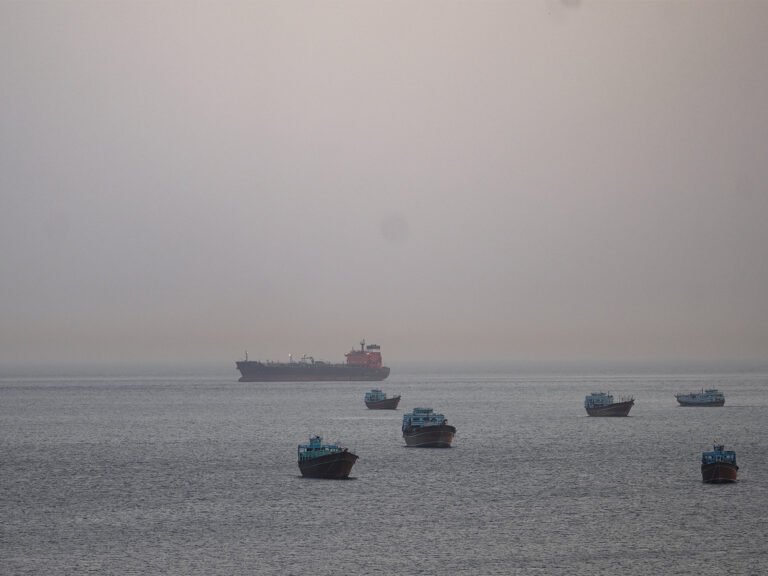
The Strait of Hormuz remains a central issue in the ongoing conflict. This narrow waterway is one of the world’s most critical oil transit routes, making it a focal point of geopolitical tension.
Iran has proposed a new legal framework governing the strait, aiming to ensure its reopening and secure maritime trade. The proposal includes:
- Removal of US-imposed blockades
- Compensation for damages
- Guarantees against future military strikes
- Recognition of Iran’s strategic interests
These demands reflect Tehran’s broader goal of asserting control over regional resources while maintaining economic stability.
Pakistan’s Role in Backchannel Diplomacy
Before arriving in Russia, Araghchi held key discussions in Islamabad, signaling Pakistan’s role as a potential mediator. According to reports, Iran shared a detailed proposal with Pakistani officials to be communicated to Washington.
Interestingly, Iran clarified that no direct negotiations with the United States were scheduled during the visit. However, indirect communication channels remain active, indicating ongoing behind-the-scenes diplomacy.
Pakistan’s involvement highlights the complexity of regional negotiations, where multiple actors are working to bridge gaps between conflicting parties.
US-Iran Tensions and Diplomatic Stalemate
The diplomatic landscape has been further complicated by the cancellation of planned peace talks by US President Donald Trump. This move created a temporary setback in formal negotiations.
Despite this, reports suggest that both Iran and the United States continue to engage indirectly. Iran has reportedly submitted a new proposal aimed at:
- Ending hostilities
- Reopening the Strait of Hormuz
- Delaying nuclear negotiations to a later phase
This approach indicates a shift in strategy, prioritizing immediate conflict resolution over long-term nuclear agreements.
Nuclear Negotiations: A Delayed Priority
One of the most notable aspects of Iran’s proposal is the decision to postpone nuclear talks. This move suggests a pragmatic approach, focusing first on achieving a ceasefire and stabilizing the region.
Iran’s nuclear program has long been a point of contention in international diplomacy. By delaying these discussions, Tehran aims to reduce tensions and create a more favorable environment for future negotiations.
However, this strategy also raises questions about the long-term implications for global nuclear non-proliferation efforts.
Global Implications of the Russia-Iran Talks
The outcome of the meeting between Abbas Araghchi and Vladimir Putin could have far-reaching consequences. Key implications include:
1. Shift in Global Power Dynamics
The strengthening of Iran-Russia relations could challenge Western influence in the Middle East.
2. Energy Market Stability
Any agreement involving the Strait of Hormuz will directly impact global oil prices and supply chains.
3. Diplomatic Precedents
Successful negotiations could set a model for resolving similar conflicts through multilateral diplomacy.
4. Regional Security
A ceasefire agreement could significantly reduce military tensions and prevent further escalation.
Behind-the-Scenes Diplomacy Gains Momentum
Despite public setbacks, there are increasing signs of progress in diplomatic efforts. Reports indicate that negotiations are continuing through indirect channels, with multiple countries acting as intermediaries.
This “quiet diplomacy” approach allows stakeholders to explore solutions without the pressure of public scrutiny, increasing the chances of a breakthrough.
Expert Analysis: What Lies Ahead
Political analysts believe that the meeting between Araghchi and Putin is a crucial step toward stabilizing the region. However, several challenges remain:
- Deep-rooted mistrust between Iran and Western nations
- Conflicting interests among regional powers
- Economic pressures from sanctions
- Military tensions in strategic zones
Experts suggest that while immediate outcomes may be limited, sustained diplomatic engagement could eventually lead to meaningful progress.
A Critical Moment in Global Diplomacy
The visit of Abbas Araghchi to Russia and his meeting with Vladimir Putin represent a pivotal moment in ongoing efforts to resolve the Middle East crisis. As diplomatic channels remain active across multiple countries, the possibility of a negotiated peace appears increasingly viable.
While significant challenges remain, the continued engagement between Iran, Russia, and other global players offers hope for de-escalation and stability in one of the world’s most volatile regions.
The coming weeks will be crucial in determining whether these diplomatic efforts can translate into concrete outcomes, shaping the future of regional and global geopolitics.
In a rapidly evolving geopolitical landscape, Iran has escalated its diplomatic outreach by sending its Foreign Minister, Abbas Araghchi, to Russia for high-level discussions with President Vladimir Putin. This visit is not just a routine diplomatic engagement—it signals a broader geopolitical shift as Tehran seeks to reposition itself amid mounting regional tensions and global scrutiny.
With the Middle East once again at the center of global attention, Iran’s outreach to Moscow is being closely watched by policymakers, analysts, and international stakeholders.
A Multi-Layered Diplomatic Offensive by Iran
Iran’s recent diplomatic activity reflects a calculated and multi-layered strategy aimed at achieving several objectives simultaneously. Beyond immediate conflict resolution, Tehran is working to:
- Reinforce alliances with global powers
- Counterbalance Western pressure
- Secure economic and trade routes
- Build legitimacy for its regional role
The visit to Russia is part of a broader diplomatic chain that includes engagements in South Asia and the Gulf region. By diversifying its diplomatic outreach, Iran is attempting to avoid isolation and strengthen its negotiating position.
Russia’s Strategic Importance in Iran’s Foreign Policy
Russia occupies a unique position in Iran’s foreign policy calculus. As a permanent member of the UN Security Council and a key military and economic partner, Moscow provides Tehran with both political backing and strategic leverage.
The relationship between Iran and Russia has evolved from tactical cooperation to a more structured partnership. Areas of collaboration now include:
- Defense and security coordination
- Energy cooperation and oil markets
- Infrastructure and trade corridors
- Regional conflict mediation
For Russia, engagement with Iran also serves its broader objective of maintaining influence in the Middle East, especially at a time when global power dynamics are shifting.
Geopolitical Context: Why This Meeting Matters Now
The timing of Araghchi’s visit is particularly significant. Several developments have converged to create a critical moment:
- Escalating Regional Tensions
Ongoing conflicts and military activities have increased the risk of a wider regional war. - Economic Pressures on Iran
Sanctions and trade restrictions continue to impact Iran’s economy, making diplomatic solutions more urgent. - Energy Security Concerns
Disruptions in oil supply routes, particularly through the Strait of Hormuz, have raised global concerns. - Stalled Negotiations with the West
With formal talks facing setbacks, Iran is exploring alternative diplomatic pathways.
This convergence of factors makes the Russia visit a high-stakes engagement with potential global consequences.
About The Author