
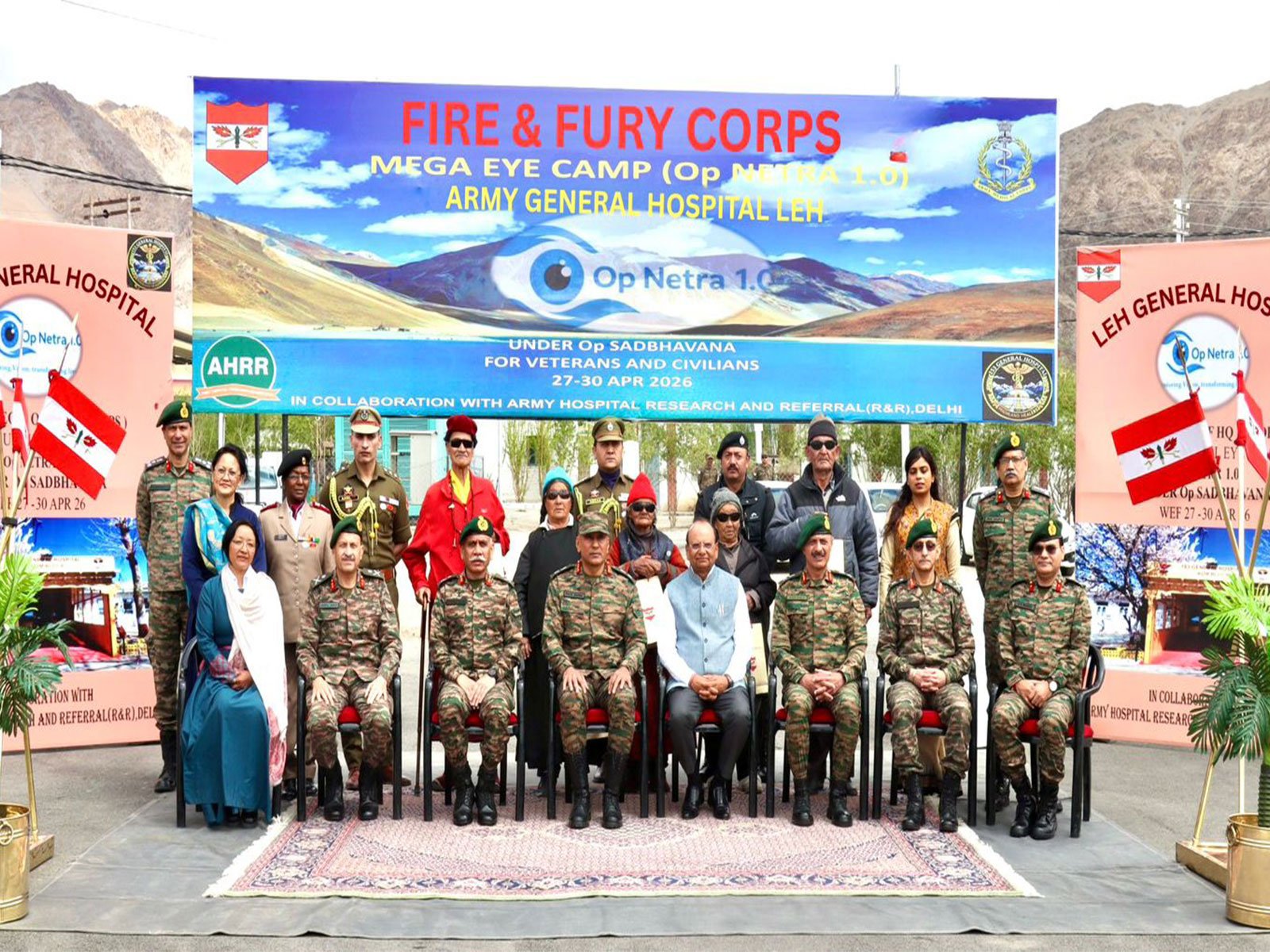
Leh, Ladakh | April 30, 2026
In a remarkable blend of medical excellence and humanitarian service, the Indian Army successfully concluded Op Netra 1.0 in Leh, a four-day advanced surgical eye camp that brought life-changing vision care to hundreds of people living in some of the most remote regions of Ladakh.
The mission stands as a shining example of how modern healthcare, military precision, and compassion can come together to serve communities that are often beyond the reach of traditional medical infrastructure.
Op Netra 1.0 in Leh: A Historic Medical Mission
The initiative, conducted at the 153 General Hospital in Leh, was part of the Indian Army’s ongoing efforts to deliver advanced healthcare services in high-altitude and inaccessible regions.
Op Netra 1.0 in Leh was not just another medical camp—it was a carefully planned, large-scale operation designed to:
- Provide specialised eye care services
- Perform complex surgeries
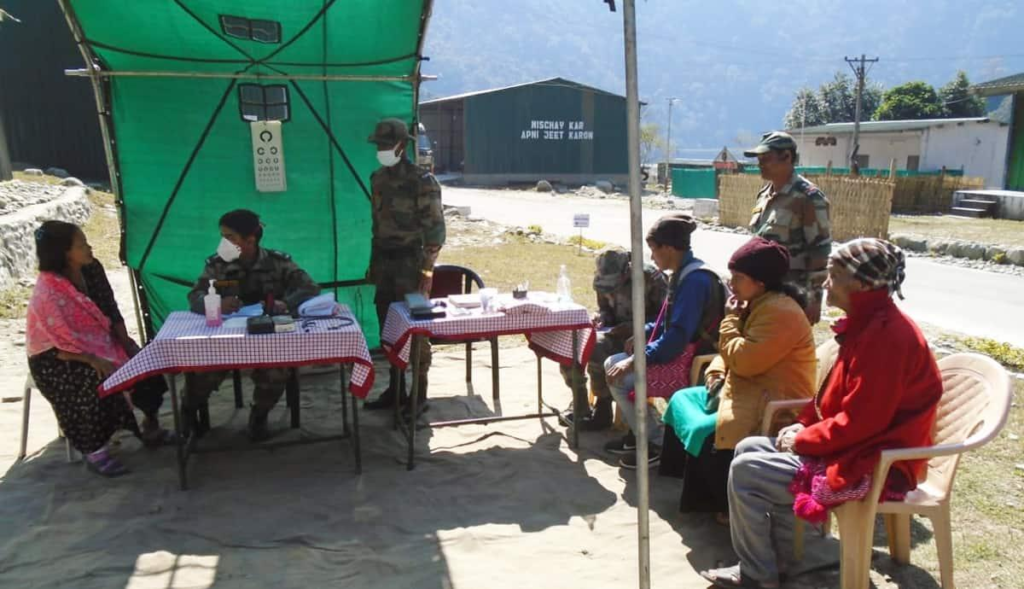
- Screen patients from remote border areas
- Restore vision to those suffering from blindness
Over four days, the camp demonstrated what is possible when dedication meets innovation.
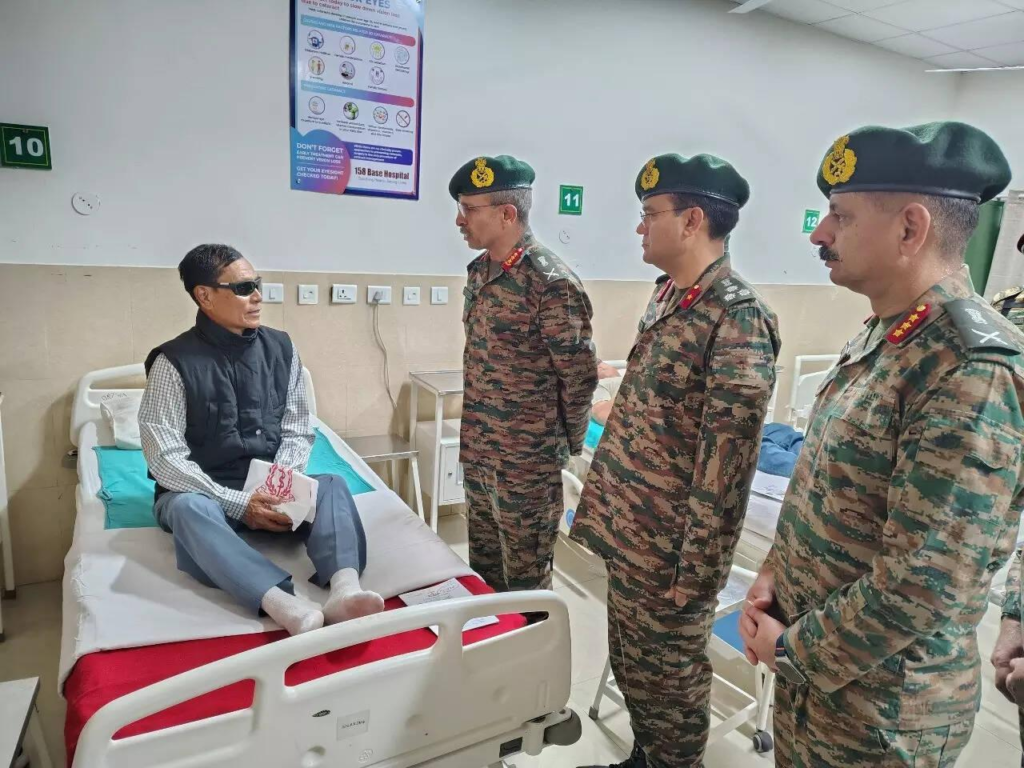
Massive Impact: 950 Patients Screened, 214 Surgeries Performed
The scale of Op Netra 1.0 in Leh was truly impressive.
Key Highlights:
- 950 patients screened across seven districts
- 214 specialised surgeries performed
- 197 cataract surgeries completed
- 10 vitreo-retinal procedures conducted
- 15 blind patients regained vision
These numbers reflect not just medical success but a transformation in the lives of hundreds of individuals.
Advanced Surgical Procedures at High Altitude
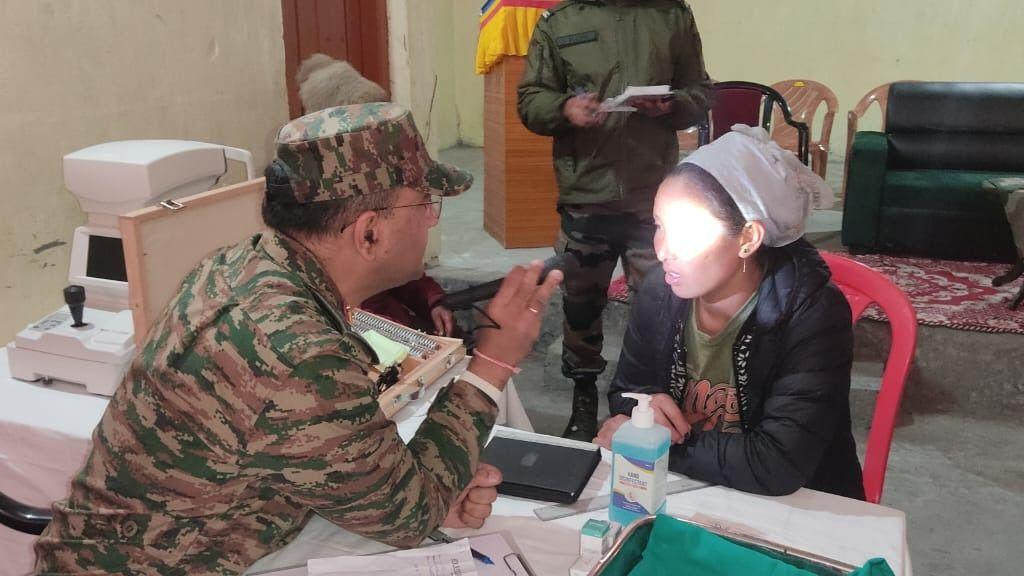
What makes Op Netra 1.0 in Leh extraordinary is the level of medical sophistication achieved in extreme conditions.
The surgical team performed advanced procedures such as:
- Glued Intraocular Lens (IOL) implantation
- Minimally Invasive Glaucoma Surgery (MIGS)
- Vitrectomy
- Pterygium excision
- IOL repositioning
Delivering such complex treatments at high altitudes, where oxygen levels are low and infrastructure is limited, highlights the exceptional capability of the Indian Army’s medical teams.
“Flying Hospital” Reaches Remote Himalayan Regions
The mission earned the title of a “Flying Hospital” due to its ability to reach patients from some of the highest inhabited areas in the world.
Patients travelled from regions like:
- Chushul (4,330 meters)
- Hanle (4,500 meters)
- Durbuk (3,800 meters)
- Demchok, Turtuk, Zanskar, and Drass
These areas are not only geographically challenging but also strategically sensitive, located near international borders.
For many patients, access to advanced medical care was previously unimaginable.
Technology Boost: Op Netra App Revolutionises Workflow
A standout feature of Op Netra 1.0 in Leh was the introduction of the Op Netra App, an innovative digital solution developed in-house.
Key Benefits:
- Digitised patient records
- Faster clinical assessments
- Automated surgical scheduling
- QR-based patient identification for accuracy
This technology ensured 100% patient safety and efficiency, even in a high-pressure environment.
It also reflects India’s push toward self-reliance in healthcare technology.
Leadership and Collaboration Behind the Mission
The success of Op Netra 1.0 in Leh was driven by strong leadership and seamless coordination.
Key figures involved included:
- Rajnath Singh – whose vision supports such humanitarian missions
- Lt Gen Pratik Sharma – Northern Command Army Commander
- Surg Vice Adm Arti Sarin – Director General Armed Forces Medical Services
- Brigadier Sanjay Kumar Mishra – Head of Ophthalmology at Army Hospital (R&R)
- Lt Gen Hitesh Bhalla – GOC-in-C 14 Corps
Their combined efforts ensured that the mission was executed with precision and care.
Human Stories: Lives Transformed
Beyond the numbers, Op Netra 1.0 in Leh is about real people and real transformations.
Rigzin Wangyal
For 15 years, he lived with limited vision. After surgery, he regained clarity and independence—a moment he described as getting a “new lease of light.”
Skanzang Phumchok (88 years old)
Despite age and health complications, his vision was restored, allowing him to reconnect with the world around him.
Ghulam Haider (67 years old)
Living in a remote village, access to such advanced treatment was once a dream. Today, his life has changed completely.
These stories highlight the emotional and human impact of the mission.
Indian Army’s Commitment to Nation First
The success of Op Netra 1.0 in Leh reflects the Indian Army’s unwavering commitment to the principle of “Nation First.”
The mission was supported by:
- Airlift of medical equipment by the Indian Air Force
- Deployment of highly skilled medical professionals
- Seamless coordination across multiple agencies
This ensured that even in extreme conditions, patients received care comparable to top hospitals in major cities.
A Continuing Journey of Healthcare Outreach
Op Netra 1.0 in Leh is part of a larger nationwide initiative.
Previous missions have been conducted in:
- Udhampur
- Dehradun
- Jaipur
- Bagdogra
- Gorakhpur
With over 2,500 surgeries performed nationwide, the program continues to expand its reach.
Future of Medical Outreach in Remote Regions
The success of Op Netra 1.0 in Leh sets a strong precedent for future healthcare missions.
Key takeaways include:
- Importance of mobile medical infrastructure
- Role of technology in improving efficiency
- Need for collaboration between civil and military sectors
Such initiatives can be replicated across other remote regions in India and beyond.
A Vision of Hope in the Himalayas
The completion of Op Netra 1.0 in Leh is more than a medical achievement—it is a story of hope, resilience, and human compassion.
By restoring sight to hundreds and reaching the most isolated communities, the Indian Army has once again demonstrated that no citizen is too remote to receive care.
In the harsh yet beautiful landscapes of Ladakh, this mission has brought not just medical relief but a renewed sense of life and possibility.
Leave a Reply