
 admin
admin 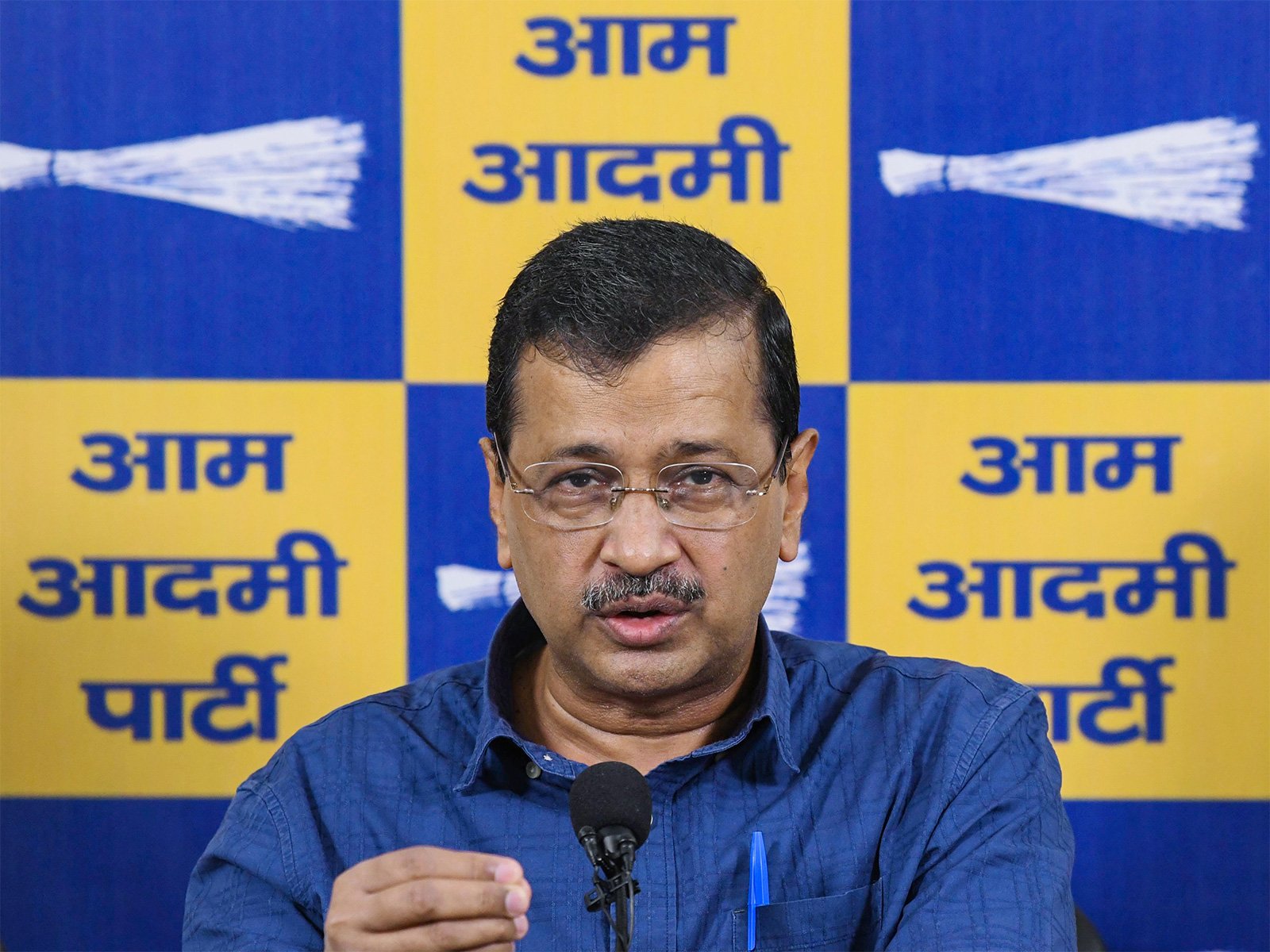
The issue raised by Arvind Kejriwal on Indian Seafarers has quickly become a significant political discussion, with opposition parties demanding greater accountability and a stronger diplomatic response from the Union government. Leaders from various political parties have expressed condolences to the families of the deceased while urging the government to ensure justice and enhanced protection for Indian citizens working abroad.
Political observers believe that Arvind Kejriwal on Indian Seafarers reflects a broader debate about India’s response to international crises involving its citizens. While the government has emphasised diplomatic engagement and maritime safety, opposition leaders argue that stronger public messaging is necessary whenever Indian lives are lost overseas.
Indian Seafarers Play a Vital Role in Global Shipping
The discussion surrounding Arvind Kejriwal on Indian Seafarers has also highlighted the enormous contribution made by Indian maritime professionals to the global shipping industry.
India is among the world’s leading suppliers of skilled seafarers. Thousands of Indian officers, engineers, and crew members serve on merchant ships, oil tankers, cargo vessels, and container ships operating across international waters. These professionals help ensure the uninterrupted movement of crude oil, food supplies, medicines, industrial equipment, and essential goods around the world.
Industry experts note that Indian seafarers have earned a strong reputation for professionalism and technical expertise. Their contribution not only strengthens global trade but also generates valuable foreign exchange for India.
The deaths of three Indian crew members have therefore deeply affected the maritime community and renewed discussions about improving safety standards for civilian vessels operating in conflict-prone regions.
India-US Energy Cooperation Remains a Key Agenda
Even as dominates political discussions, the bilateral meeting between Prime Minister Narendra Modi and US President Donald Trump is expected to cover several strategic areas beyond the tragic incident.
According to official sources, energy cooperation remains one of the most important topics on the agenda. India has significantly increased imports of crude oil and liquefied natural gas (LNG) from the United States over the past few years as part of efforts to diversify its energy sources.
Both countries are expected to discuss long-term energy security, investments in clean energy, and measures to reduce disruptions caused by geopolitical tensions in West Asia.
Analysts believe strengthening energy cooperation will help both nations improve supply chain resilience while supporting economic growth.
Maritime Security in Focus
The concerns raised through Arvind Kejriwal on Indian Seafarers have once again underlined the importance of maritime security in international diplomacy.
The Gulf of Oman and the Strait of Hormuz remain among the world’s most strategically important shipping routes. Any conflict in these waters can disrupt global trade, increase shipping costs, and threaten the safety of civilian crews.
Security experts have repeatedly called for enhanced international coordination to protect commercial vessels passing through sensitive maritime zones. Suggested measures include improved naval cooperation, real-time intelligence sharing, stronger communication systems, and diplomatic initiatives to prevent escalation.
Many experts believe that safeguarding civilian shipping should remain a priority regardless of ongoing geopolitical tensions.
Families Seek Justice and Support
The tragic incident that prompted Arvind Kejriwal on Indian Seafarers has left the families of the deceased seeking answers and assistance.
Several political leaders have offered condolences while urging authorities to provide adequate compensation, counselling, and support to the affected families. Maritime welfare organisations have also appealed for stronger insurance protections and emergency response mechanisms for Indian crew members serving on international vessels.
The incident has renewed demands for comprehensive policies that prioritise the safety and welfare of Indian seafarers working in high-risk regions.
Diplomatic Challenges Ahead
Foreign policy experts believe India must continue balancing its strategic partnerships while protecting the interests of its citizens abroad.
The discussion sparked by Arvind Kejriwal on Indian Seafarers highlights the complex nature of international diplomacy, where humanitarian concerns, strategic alliances, energy security, and global trade are closely interconnected.
As India continues to strengthen relations with major global powers, protecting Indian nationals overseas will remain an important diplomatic objective.
The debate surrounding Arvind Kejriwal on Indian Seafarers has drawn national attention to the deaths of three Indian crew members in the Gulf of Oman and the broader issue of maritime safety. While Arvind Kejriwal has urged Prime Minister Narendra Modi to strongly convey India’s protest to US President Donald Trump, the Prime Minister has already highlighted the loss of Indian lives and the need to safeguard international maritime trade routes during the G7 Summit.
The issue has not only intensified political debate but has also highlighted the invaluable contribution of Indian seafarers to the global economy. As India and the United States continue discussions on regional security, trade, and energy cooperation, ensuring the safety of Indian citizens working abroad is expected to remain a key priority. The outcome of these diplomatic engagements will be closely watched as the country seeks both accountability and stronger protections for its maritime workforce.
Here is additional SEO-friendly content (500+ words) that you can add to your article. It is written in a natural, human style and includes the focus keyword “Arvind Kejriwal on Indian Seafarers” naturally to help maintain the desired keyword density.
International Maritime Safety Becomes a Global Concern
The debate sparked by Arvind Kejriwal on Indian Seafarers has once again highlighted the risks faced by civilian crews working in international waters. Maritime experts have long warned that commercial shipping routes passing through conflict zones expose seafarers to serious dangers, even when they are not directly involved in military activities.
With geopolitical tensions continuing in the Gulf region, shipping companies are closely monitoring developments to ensure the safety of their vessels and crew members. The deaths of three Indian seafarers have reinforced the need for stronger international cooperation to protect civilians working in the maritime sector.
Industry experts believe that governments and global maritime organisations should work together to establish better safety protocols for ships operating near areas affected by military conflicts. The discussion generated by Arvind Kejriwal on Indian Seafarers has therefore extended beyond politics and into broader concerns about global maritime security.
Opposition Demands Greater Accountability
The issue raised by Arvind Kejriwal on Indian Seafarers has become an important talking point among opposition parties, many of which have called for greater transparency regarding the incident.
Several leaders have argued that whenever Indian citizens lose their lives abroad, the government should communicate clearly with the public about the steps being taken through diplomatic channels. They believe that regular updates can reassure affected families while demonstrating India’s commitment to protecting its citizens worldwide.
The opposition has also demanded that the government seek a detailed explanation regarding the circumstances surrounding the military operation and ensure that the families of the victims receive adequate assistance.
Government Focuses on Diplomatic Engagement
While Arvind Kejriwal on Indian Seafarers has criticised the Centre’s response, government officials have maintained that diplomatic engagement remains the most effective approach in handling sensitive international incidents.
India has consistently followed a policy of resolving complex geopolitical issues through dialogue while safeguarding its strategic partnerships. Officials have indicated that maritime security, regional stability, and the protection of Indian nationals continue to remain important priorities during discussions with international leaders.
Diplomatic experts note that such matters are often addressed through multiple channels, including bilateral meetings, official communications, and international forums.
Growing Importance of Indian Seafarers
The discussion surrounding Arvind Kejriwal on Indian Seafarers has also brought attention to India’s growing contribution to the global maritime workforce.
Indian seafarers serve on thousands of international vessels transporting crude oil, natural gas, food products, automobiles, machinery, and essential commodities across continents. Their professionalism has earned recognition from global shipping companies, making India one of the largest suppliers of skilled maritime personnel.
The shipping industry contributes significantly to international trade, and Indian crew members play an essential role in maintaining uninterrupted global supply chains. Their safety has therefore become a matter of national importance.
Future Policy Discussions
The controversy involving Arvind Kejriwal on Indian Seafarers may also encourage policymakers to review existing mechanisms for protecting Indian citizens employed in high-risk international sectors.
Experts suggest that future discussions could focus on strengthening emergency response systems, improving coordination with shipping companies, enhancing insurance coverage, and increasing diplomatic support during international crises.
There are also calls for stronger international agreements that prioritise the safety of civilian vessels operating in conflict-affected regions.
Looking Ahead
As diplomatic engagements between India and the United States continue, the issue highlighted by Arvind Kejriwal on Indian Seafarers is expected to remain part of the broader conversation on maritime security and regional stability.
Political reactions may continue in the coming days, but the incident has already drawn nationwide attention to the challenges faced by Indian seafarers working abroad. Beyond political differences, there is widespread agreement that protecting Indian citizens serving in international waters must remain a national priority.
The developments arising from the India-US discussions at the G7 Summit will be closely watched, as they may shape future cooperation on maritime security, energy trade, and the welfare of Indian professionals employed across the global shipping industry.
About The Author