Government May Ask Airlines to Review Surcharges if Crude Prices Stabilise: Civil Aviation Minister
 admin
admin 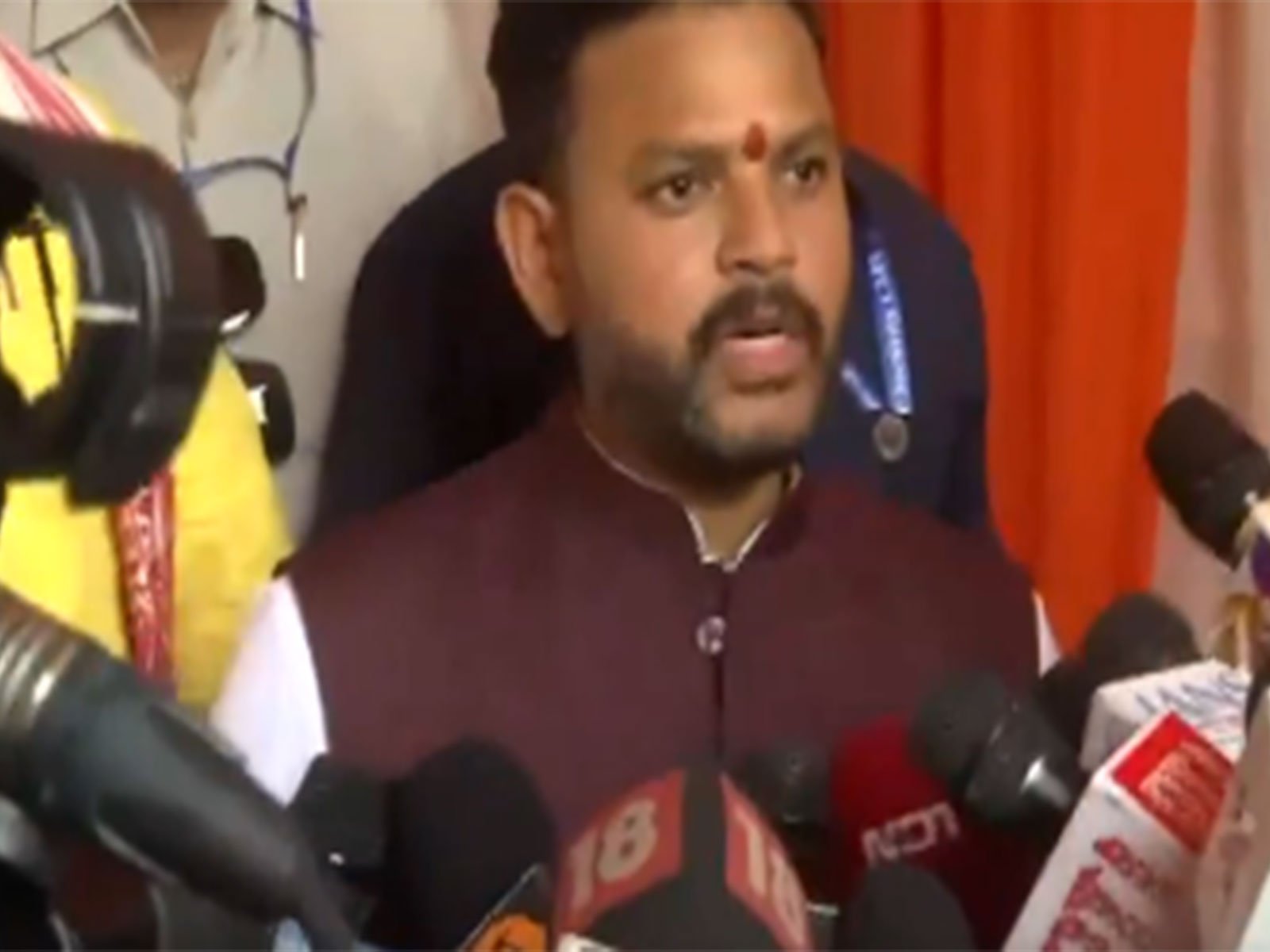
The Government May Ask Airlines to Review Surcharges if crude oil prices continue to remain stable over the coming months, Union Civil Aviation Minister K. Ram Mohan Naidu said on Thursday. The announcement has raised hopes among passengers that airfare costs could become more affordable if fuel prices remain under control. The Government May Ask Airlines to Review Surcharges after assessing long-term trends in Aviation Turbine Fuel (ATF) prices.
Government Monitoring Fuel Price Trends
The Government May Ask Airlines to Review Surcharges because Aviation Turbine Fuel remains one of the largest operational costs for airlines. Speaking in Varanasi, the minister said the Centre reviews ATF prices every fortnight based on global crude oil movements.
According to the minister, officials are closely monitoring whether the recent fall in fuel prices is temporary or represents long-term stability. If prices remain steady, the Government May Ask Airlines to Review Surcharges and other additional airfare components that were introduced when fuel costs surged.
Airlines Could Reduce Additional Charges
The Government May Ask Airlines to Review Surcharges as part of broader efforts to provide relief to air travellers. Airlines had increased fares over the past several months due to rising fuel costs and geopolitical tensions in West Asia.
Naidu explained that the last four months have been particularly challenging for the aviation industry. However, if fuel prices continue to remain stable, the Government May Ask Airlines to Review Surcharges and encourage airlines to pass the benefits on to passengers.
ATF Prices Continue to Influence Airfares
The Government May Ask Airlines to Review Surcharges because Aviation Turbine Fuel accounts for nearly 35–40 percent of an airline’s operating expenses. Any fluctuation in crude oil prices directly impacts airline profitability and ticket prices.
Industry experts believe that stable ATF prices provide airlines with an opportunity to lower operational costs. As a result, the Government May Ask Airlines to Review Surcharges if airlines continue to benefit from reduced fuel expenses over an extended period.
₹10,000 Crore Price Stabilisation Fund
The Government May Ask Airlines to Review Surcharges after implementing several support measures for the aviation sector. The Civil Aviation Minister highlighted the creation of a ₹10,000 crore price stabilisation fund to protect airlines during periods of rising fuel prices and international uncertainty.
The government has also capped ATF prices for domestic scheduled operators, reduced airport charges, and extended support through the Emergency Credit Linkage Scheme. These initiatives strengthen the possibility that the Government May Ask Airlines to Review Surcharges once market conditions improve further.
West Asia Crisis and Rising Airfares
Geopolitical tensions in West Asia significantly increased global crude oil prices, leading to higher Aviation Turbine Fuel costs. Consequently, airlines revised fare structures and introduced additional charges to offset operational expenses.
Now that crude prices are easing, the Government May Ask Airlines to Review Surcharges if the downward trend continues. Officials believe passengers should also benefit from lower fuel costs instead of airlines alone enjoying improved margins.
Relief for Air Travellers
The Government May Ask Airlines to Review Surcharges to make air travel more affordable for millions of domestic passengers. Lower fares would encourage tourism, business travel, and regional connectivity while boosting demand across the aviation sector.
Passengers have long expected airlines to reduce ticket prices whenever fuel costs decline. The Government May Ask Airlines to Review Surcharges only after confirming that crude oil prices have stabilised for a sustained period.
Discussions with Airlines Continue
The Civil Aviation Ministry remains in active discussions with airline operators regarding airfare pricing. The Government May Ask Airlines to Review Surcharges only after evaluating long-term fuel price stability and the financial health of airline companies.
According to the minister, passenger interests remain a priority, but airline sustainability is equally important. Therefore, any decision regarding fare reductions will be carefully considered.
Aviation Industry Watches Global Oil Markets
Industry analysts believe airlines are closely monitoring global crude oil prices before making any pricing decisions. If the positive trend continues, the Government May Ask Airlines to Review Surcharges and encourage airlines to reduce extra charges introduced during the fuel price spike.
Experts suggest airlines may gradually reduce surcharge components rather than implement immediate fare cuts. This approach would balance financial stability with customer affordability.
The announcement that the Government May Ask Airlines to Review Surcharges has generated optimism among air travellers across India. With Aviation Turbine Fuel prices showing signs of stability and several government support measures already in place, airlines could soon reconsider their surcharge policies.
While no immediate decision has been taken, the Government May Ask Airlines to Review Surcharges if crude oil prices remain stable over the long term. The coming weeks will be crucial as the government and airlines continue discussions aimed at making air travel more affordable while ensuring the financial sustainability of India’s aviation sector.
About The Author