
New Delhi, March 14: Two Indian LPG carriers, Shivalik and Nanda Devi, safely crossed the Strait of Hormuz while transporting about 92,700 metric tons of liquefied petroleum gas (LPG) to India.
Officials from the Shipping Ministry confirmed that the vessels completed their transit late at night and are now sailing toward India.
Expected Arrival at Mundra and Kandla
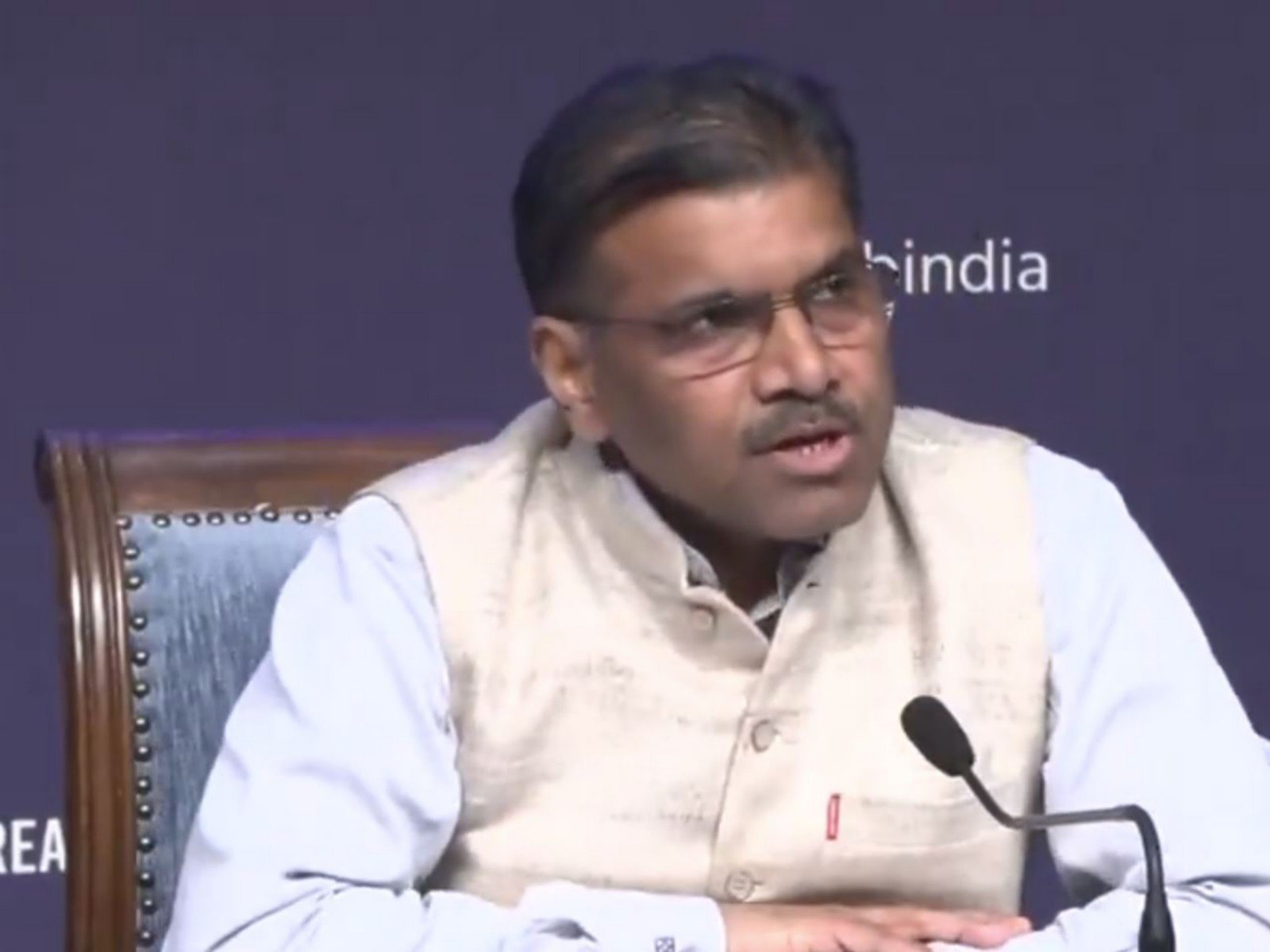
According to Rajesh Kumar Sinha, the vessels will arrive at Indian ports soon.
The vessel Shivalik will reach Mundra Port on March 16. Meanwhile, Nanda Devi will arrive at Kandla Port on March 17.
Indian Seafarers Remain Safe
Officials confirmed that all Indian seafarers working in the Persian Gulf region remain safe. No incidents involving them occurred in the last 24 hours.
Currently, 22 Indian-flagged vessels remain in the Persian Gulf region. These ships carry around 611 Indian seafarers.
Earlier, 24 Indian vessels operated in the region. However, the number dropped after the two LPG carriers left the Gulf and moved toward India.
Government Monitoring the Situation
The Directorate General of Shipping (DG Shipping) continues to monitor the situation closely. Officials coordinate with ship owners, maritime agencies, and Indian diplomatic missions.
The DG Shipping communication centre handled 312 phone calls and 460 emails in the last 24 hours. Seafarers, their families, and maritime stakeholders sent most of these messages.
Over the last 15 days, the centre received more than 2,500 phone calls and nearly 5,000 emails related to maritime safety and operations.
Iran Assures Safe Passage
Meanwhile, Abdul Majid Hakeem Ilahi confirmed that Indian vessels can continue using the Strait of Hormuz.
He said Iran understands India’s energy needs and supports the smooth movement of Indian ships through the waterway.
Importance of the Strait of Hormuz
The Strait of Hormuz serves as one of the most important energy shipping routes in the world.
More than 20 million barrels of crude oil move through this passage every day. This amount equals roughly one-fifth of global oil consumption.
Additionally, a significant share of the world’s liquefied natural gas (LNG) shipments travels through this route.
Because of this, any disruption in the Strait can affect global energy markets, trade routes, and supply chains.
Leave a Reply